
Planting
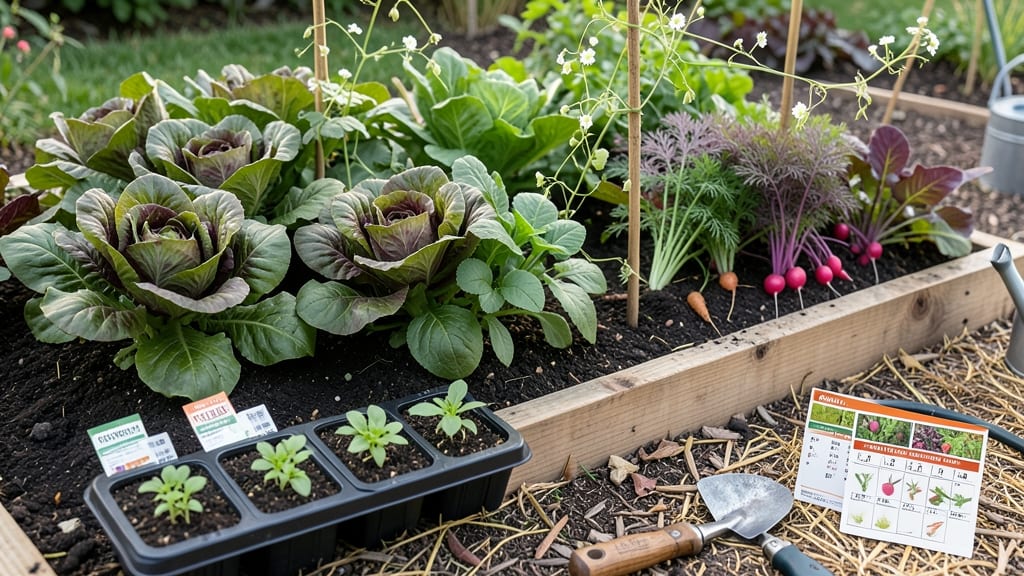
Planting a garden in Utah means timing your seeds and starts carefully to beat the unpredictable swings between frost and drought.
Utah’s climate can leave even experienced gardeners scratching their heads—too early, and a late frost wipes out tender seedlings; too late, and the summer heat zaps your harvest before it ripens.
This guide breaks down the exact windows for cold-hardy crops like peas and potatoes versus heat-loving tomatoes and peppers, so you can avoid the most common mistakes.
Whether you’re in the high desert or mountain regions, knowing when to plant General Garden Plants 🌱 is the difference between a thriving garden and a frustrating flop. We’ll cover frost dates, elevation adjustments, and drought-resistant tips tailored to Utah’s 5b-9a zones.
Ready to get started? You’ll learn the best months for spring and fall planting, how to spot signs of stress in your plants, and even which crops to skip in Utah’s intense summers. Let’s dig in!
Utah’s planting zones: when to start cold-hardy crops for spring success
Utah’s diverse climate—from the cool mountain valleys to the warm desert lowlands—creates unique challenges for gardeners. Cold-hardy crops like peas, spinach, and potatoes thrive when planted at the right time, but Utah’s microclimates mean timing varies dramatically.
Whether you're in Salt Lake City, Southern Utah, or Northern Utah, knowing your last frost date and soil temperature is key to success.
In Salt Lake City (Zone 6a), the average last frost date falls between March 15 and April 15, while Southern Utah (Zone 7a-8a) can start planting as early as February 15.
Meanwhile, Northern Utah’s higher elevations (Zone 5b) often wait until late April. These differences highlight why understanding your local planting window is critical for avoiding frost damage or bolting.
Soil temperature is just as important as air temperature. Most cold-hardy crops need soil that’s at least 40°F (4°C) for germination. In Utah’s dry climate, soil warms faster in direct sunlight, so south-facing beds are ideal for early planting.
Always check soil temperature with a thermometer before sowing seeds—cold soil can delay germination by weeks.
Here’s a quick reference for Utah’s key regions and their ideal planting windows for cold-hardy vegetables:
| Region | USDA Zone | Last Frost Date | Ideal Planting Window | Soil Temp for Germination | Example Crops |
|---|---|---|---|---|---|
| Salt Lake City | 6a | March 15 - April 15 | March 1 - April 15 | 40-45°F (4-7°C) | Peas, Spinach, Potatoes, Kale |
| Southern Utah (St. George) | 7a-8a | February 15 - March 15 | February 1 - March 15 | 45-50°F (7-10°C) | Lettuce, Broccoli, Carrots, Radishes |
| Northern Utah (Ogden, Logan) | 5b | April 15 - May 1 | April 1 - May 1 | 35-40°F (2-4°C) | Peas, Potatoes, Cabbage, Onions |
For peas and spinach, which germinate quickly, I recommend planting 2-3 weeks before your last frost date. These cool-season crops can handle light frosts, but a hard freeze will kill them. Potatoes, on the other hand, need consistent soil temperatures above 45°F (7°C) to avoid rotting.
In Utah’s high desert, this often means waiting until late March or April.
If you’re in a warmer microclimate, like a sheltered valley or urban heat island, you can push planting dates earlier. For example, St. George’s Zone 7a-8a allows for February planting of hardy greens. Conversely, high-elevation areas (like Park City) may need to wait until mid-April to avoid late frosts.
To extend your growing season, consider using row covers or cold frames. These can push your planting window back by 2-4 weeks, giving you an earlier harvest.
Just remember to remove covers when temperatures rise above 75°F (24°C) to prevent overheating. For spinach and lettuce, which bolt in heat, this is especially useful.
Always monitor weather forecasts in the weeks leading up to planting. A sudden cold snap can reverse all your progress. In my garden, I’ve learned to plant successive crops every 2 weeks to ensure a steady harvest. This works particularly well for radishes and lettuce, which mature quickly.
Finally, don’t forget to amend your soil with compost before planting. Utah’s alkaline soils (pH 7.5-8.5) can be challenging for some crops. Adding organic matter improves moisture retention and nutrient availability, which is crucial for cold-hardy vegetables struggling in cool conditions. 🌱
Heat-tolerant vegetables: best summer planting schedule for Utah’s desert climate
Utah’s summer heat can be brutal, but with the right heat-tolerant vegetables, you can still enjoy a thriving garden. The key is planting at the right time and providing proper care to help your plants survive the intense desert sun.
For Zone 5-7 regions, late spring to early summer is ideal for crops like tomatoes, peppers, and okra.
Timing is everything in Utah’s climate. Planting too early can stress seedlings, while waiting too long may shorten the growing season. Start heat-loving crops after the last frost date, typically between mid-April and early May, depending on your elevation.
Southern Utah’s lower elevations can handle earlier plantings, while higher areas may need to wait until late May.
- 🌱 Mid-April to early May: Plant tomatoes and peppers after last frost (soil temp: 60°F+).
- 💧 Deep watering 2-3x/week; mulch to retain moisture.
- ☀️ Shade cloth (30-50%) for seedlings; remove as plants mature.
- 🌿 Late July: Sow okra and sweet potatoes for fall harvest.
- ✂️ Prune leggy plants to improve airflow and reduce heat stress.
Watering is critical in Utah’s dry climate. Deep watering 2-3 times per week is essential, especially during the hottest months. Use drip irrigation or soaker hoses to deliver water directly to the roots, reducing evaporation. Mulching with straw or wood chips helps retain moisture and keeps soil temperatures stable.
Don’t overlook shade cloth for young plants. A 30-50% shade cloth can protect seedlings from intense afternoon sun while they establish roots. Once plants are established, gradually remove the cloth to harden them off. For containers, opt for lightweight pots with self-watering features to prevent drying out.
Harvesting heat-tolerant crops early in the morning ensures the best flavor and texture. Tomatoes and peppers thrive in Utah’s heat but may need caging or staking to support their weight.
Okra, a true desert plant, requires minimal care but benefits from consistent watering. By following this schedule, you’ll enjoy a productive garden even in Utah’s scorching summers.
With these strategies, your heat-tolerant garden will flourish despite Utah’s challenges. Start early, water wisely, and protect your plants from extreme heat to maximize your harvest. Happy gardening! 🌻