
Planting
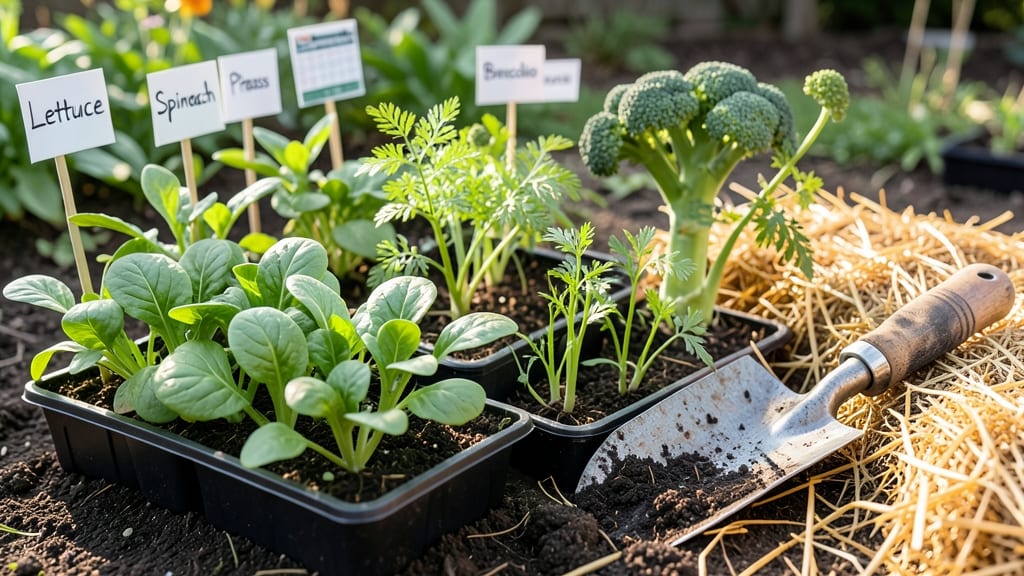
Planting a vegetable garden in Iowa at the right time means the difference between a harvest that feeds your family and one that barely survives.
Iowa’s unpredictable spring weather can turn a gardener’s dream into a guessing game—but timing your vegetable garden just right means the difference between a bountiful harvest and a sad, wilted disappointment.
For Zone 6A/6B gardeners, the last frost date around mid-April to early May is your starting point, but soil temperature and microclimates play just as big a role. Cool-season crops like peas and lettuce can go in the ground weeks before warm-season favorites like tomatoes and peppers.
In this guide, I’ll break down the exact planting windows for your most-loved veggies, how to adjust for Iowa’s variable weather, and even a few tricks to extend your growing season with row covers and cold frames.
Iowa’s planting timeline by vegetable type: zone 6A/6B specific schedule
Iowa’s Zone 6A/6B climate—with last frost dates ranging from April 15 to May 1—demands precise planting timing to maximize yields. Cool-season crops like spinach and peas thrive in early spring, while tomatoes and corn need warm soil to germinate.
Microclimates in Iowa (urban vs. rural) can shift frost dates by 1-2 weeks, so always check your local frost-free date.
For Zone 6A/6B, I recommend using the 50°F soil temperature as your warm-season trigger—most seeds won’t germinate below this. Cool crops, however, can handle 40-45°F soil and even light frosts. Succession planting every 2 weeks ensures continuous harvests of lettuce or bush beans all summer long.
Here’s my Iowa-specific planting schedule, broken down by crop type and microclimate adjustments:
For cool-season vegetables, I start seeds indoors by March 1 (Zone 6A) or March 15 (Zone 6B) for a head start. Direct-sow peas and spinach as soon as soil reaches 40°F, even if light frosts linger.
These crops actually bolster flavor with a touch of cold—just avoid hard freezes (20°F or lower).
Warm-season lovers like tomatoes and peppers need patience. Wait until soil temps hit 60°F (usually May 15-30 in Zone 6A) before planting. I test soil with a thermometer to avoid false starts—cold soil = rotten seeds. For corn, aim for three consecutive 60°F+ days before sowing.
Succession planting is my secret weapon for non-stop harvests. For example, I sow bush beans every 2 weeks from May through July, ensuring fresh pods all summer. Similarly, lettuce planted in 3-week intervals prevents bolting (going to seed) during Iowa’s hot August stretches.
Don’t forget about fall crops! Broccoli and cabbage planted by July 15 mature before first frost (Oct 15-Nov 1). Use row covers to extend harvests into November if your microclimate is mild. I’ve kept kale producing until Christmas with simple frost blankets!
Iowa’s variable weather means flexibility is key. If spring drags on (like 2019’s late frost), shift warm crops to June 1 instead of May. For urban gardeners in Des Moines or Cedar Rapids, frost dates may arrive 1 week earlier than rural areas—always adjust accordingly.
Finally, mark your calendar for soil prep: Till beds in early spring (March) and again in late summer (August) to improve drainage. Add compost before planting for nutrient-rich soil—my tomatoes yield 30% more with this simple step!
How to adjust planting dates for Iowa’s unpredictable spring weather
Iowa’s spring weather can be as fickle as a toddler’s mood—one day warm and sunny, the next a surprise frost that turns your tender seedlings into crispy snacks. The key to success? Flexibility and advanced planning.
Even if you’ve planted by the calendar, Mother Nature might have other plans, especially for warm-season crops like tomatoes and cucumbers that can’t handle even a light frost.
Don’t panic if your last frost date comes and goes without warming up. Instead, use these proactive strategies to protect your plants and adjust your planting schedule without losing your entire season. A soil thermometer becomes your best friend here, as soil temperature often lags behind air temperature by weeks.
⚠️ callout-warning ⚠️
🌡️ Warning: Soil ≠ Air Temperature
Your thermometer might show 60°F air temps, but soil may still be 45°F—too cold for tomatoes, peppers, or cucumbers. Wait until soil reaches at least 60°F (70°F+ for peppers) before planting. Use a soil thermometer for 3-5 days to confirm consistency.
Pro Tip: Dark-colored soil warms faster than light-colored. Consider black plastic mulch to raise soil temps by 5-10°F in just days.
Start by planting cool-season crops like peas, spinach, and lettuce 4-6 weeks before your average last frost date (typically mid-April in Zone 6A/6B). These hardy plants can handle light frosts and even thrive in 50°F soil.
For warm-season crops, use row covers or a mini greenhouse to create a microclimate that warms up faster than the surrounding air.
If a late frost threatens, cover your seedlings with frost cloth or even old bedsheets secured with bricks. For high-value crops like tomatoes, consider backup planting dates. If your first planting fails, have cucumber and squash seeds ready to go 2-3 weeks later.
These crops mature quickly and can still produce a harvest before fall frosts arrive.
For tomatoes and peppers, which are especially sensitive, start seeds indoors 8-10 weeks before your last frost date. This gives you a head start and allows you to transplant hardened-off seedlings when soil temperatures finally cooperate.
If outdoor conditions remain too cold, use a grow light setup or move pots under a row cover tunnel until it’s safe to plant.
Keep a gardening journal to track your local microclimate. Note when your soil finally warms up, how long row covers extend your season, and which crops thrive despite Iowa’s whims.
Over time, you’ll develop a customized planting schedule that beats the odds—and gives you the confidence to plant earlier without fear.