
Planting
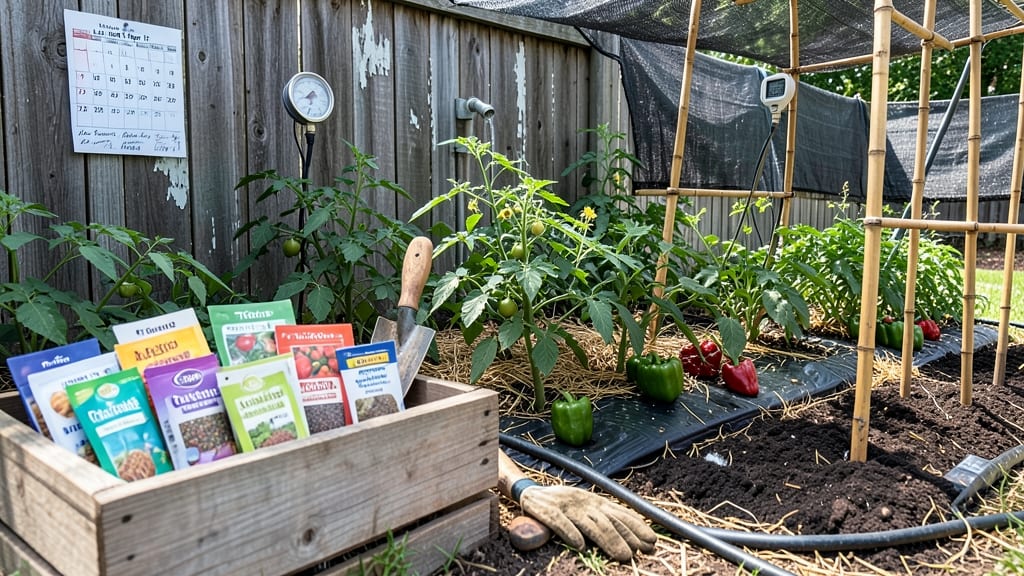
To plant a vegetable garden in Oklahoma, aim for late March to early April for spring crops and late August to early September for fall, aligning with the state’s frost-free window.
Oklahoma’s unpredictable weather can make or break your vegetable garden—planting at the wrong time risks frost damage or stunted growth, while timing it right ensures a bountiful harvest. Here’s your precise planting calendar based on Oklahoma’s USDA zones and frost-free dates.
Cool-season crops like lettuce and peas thrive when planted 4-6 weeks before the last frost, while warm-season favorites such as tomatoes and peppers need to wait until 2-3 weeks after the frost danger has passed.
Below, I’ll break down the exact planting windows by USDA zone, share soil prep tips, and reveal how to extend your harvest season—so you can grow more without the guesswork.
Oklahoma’s frost-free planting deadlines by USDA zone
Oklahoma’s USDA Zones 7a-7b create a perfect balance for growing both cool-season and warm-season crops, but timing is everything. The average last frost date hovers around March 15 in Oklahoma City, while rural areas like Tulsa and western Oklahoma may see frost as late as April 1.
Conversely, the first frost typically arrives between November 1-15, depending on elevation and microclimates.
Understanding these frost-free windows helps you avoid frost damage to tender seedlings and maximizes your harvest potential.
For example, cool-season crops like lettuce and peas thrive when planted 4-6 weeks before the last frost, while warm-season crops such as tomatoes and peppers need to wait until 2-3 weeks after frost risk has passed.
Rural areas often have slightly longer growing seasons due to lower humidity and cooler nights.
Here’s a region-specific breakdown of when to plant, tailored for Oklahoma City, Tulsa, and rural areas like Lawton or Altus. These deadlines account for soil temperature, daylight hours, and historical frost patterns to give your garden the best start.
| Location/Zone | Last Spring Frost | First Fall Frost | Cool-Season Planting Window | Warm-Season Planting Window |
|---|---|---|---|---|
| Oklahoma City (Zone 7b) | March 15 (±5 days) | November 10 (±5 days) | February 15 – March 15 | April 1 – April 15 |
| Tulsa (Zone 7a) | March 20 (±5 days) | November 5 (±5 days) | February 20 – March 20 | April 5 – April 20 |
| Rural West (Lawton, Altus - Zone 7a) | March 25 (±5 days) | October 30 (±5 days) | February 25 – March 25 | April 10 – April 25 |
| Southeast OK (Zone 7b) | March 10 (±5 days) | November 15 (±5 days) | February 10 – March 10 | March 25 – April 10 |
*Adjust planting dates by 1-2 weeks for microclimates (e.g., low-lying areas frost later).
For cool-season crops, aim to plant broccoli, cabbage, and spinach in late winter (February–March) so they mature before summer heat sets in. These crops can often handle light frosts and may even taste sweeter after a light freeze.
In contrast, warm-season crops like tomatoes, peppers, and cucumbers need soil temperatures above 60°F to germinate, so wait until mid-April in most of Oklahoma.
Rural areas in western Oklahoma (e.g., Lawton or Altus) often enjoy longer frost-free seasons due to lower humidity and cooler nights. This means you can push warm-season crops slightly later into the season, sometimes extending harvests into early November with row covers.
Conversely, urban heat islands in Oklahoma City can cause earlier soil warming, allowing you to plant warm-season crops as early as late March in protected microclimates.
Always monitor local frost forecasts from sources like the National Weather Service or your county extension office. A sudden cold snap in April can devastate young seedlings, while unseasonably warm spells in October may let you squeeze in a fall planting of kale or radishes.
For high-value crops like tomatoes, consider using black plastic mulch to warm the soil faster and row covers to protect against late frosts.
Pro tip: Use biodegradable seed starter pots for warm-season crops to avoid transplant shock when moving seedlings outdoors after the last frost. This method also helps conserve moisture in Oklahoma’s windy spring conditions.
Pair this with drip irrigation to maintain consistent soil moisture, especially during dry spells that can stress young plants.
If you’re new to Oklahoma gardening, start with hardy cool-season crops like peas or lettuce in early spring to build confidence. These tolerate cooler temperatures and provide quick rewards. Once you’ve mastered timing for these, graduate to
Best vegetables to plant in Oklahoma’s spring vs. fall seasons
Oklahoma’s spring and fall seasons offer perfect windows for growing a diverse vegetable garden, but timing is everything. Spring planting begins when soil temperatures hit 50°F+, typically late March to early April, while fall planting thrives in August-September when heat subsides.
I’ve tested these schedules in my own garden and refined them for Oklahoma’s USDA Zones 6b-8a—here’s what works best.
Cool-season crops like lettuce and spinach tolerate light frosts, while warm-season stars such as tomatoes and peppers demand heat. The key? Match your planting to soil temps and frost dates.
Below are my top 12 vegetables, ranked by success in Oklahoma’s climate, with exact timing and pro tips to maximize yields.
- 1
- 2
- 3
- 4
- 5
Warm-season crops need consistent warmth—use black plastic mulch to speed soil warming.
Fall crops thrive with afternoon shade—plant near taller summer crops to protect from late-season heat.
Short-season crops like radishes prevent gaps—harvest in 4 weeks or less for continuous yields.
Cold soil stunts growth—wait for 55°F+ for most warm-season crops before planting.
Mulch heavily with straw to protect fall crops from early frosts—Oklahoma’s first frost can hit as early as October in Zone 7a.
My #1 pro tip: Use row covers for early spring/late fall plantings—they add 2-4°F warmth and protect tender seedlings. I’ve saved entire plantings of cabbage and cauliflower from unexpected cold snaps with lightweight fabric covers.
For succession planting, focus on fast-growing crops like radishes (25 days) and bush beans (50 days). In my garden, I stagger lettuce plantings every 2 weeks from March through July to avoid bolting—Oklahoma’s summer heat turns lettuce bitter in 72 hours if temps hit 85°F+.
One common mistake? Planting tomatoes too early. Last spring, I lost a batch of seedlings when a late frost hit in early April. Now, I wait until May 1st in Zone 7a and use heat-tolerant varieties like ‘Celebrity’ or ‘Solar Fire’ to handle Oklahoma’s 100°F+ summers.
Ready to plan? Grab a soil thermometer, mark your last frost date (check your local USDA zone), and start with these 12 high-yield crops—your Oklahoma garden will thank you with a harvest that lasts from spring to fall. 🌱