
Planting
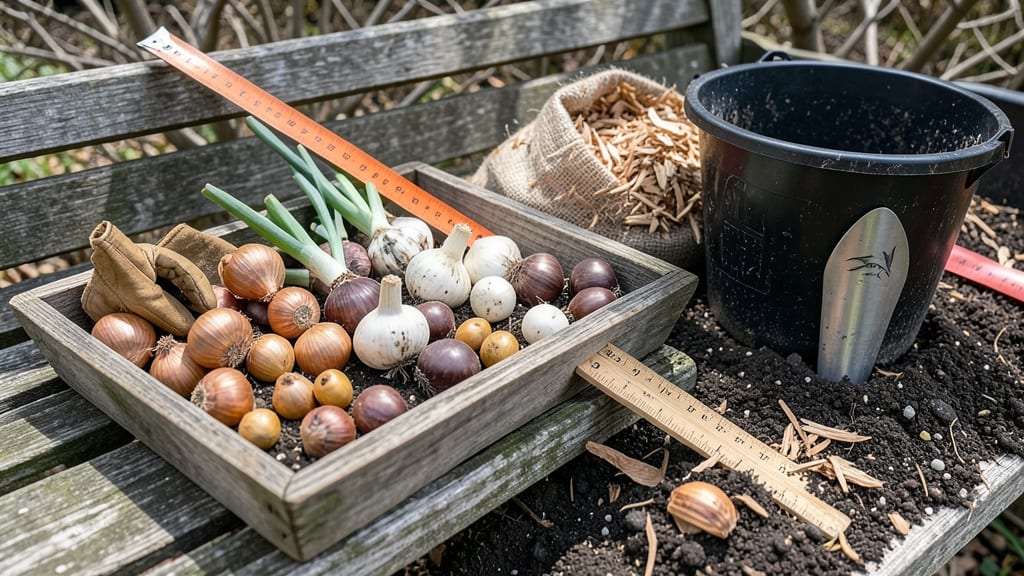
To plant bulbs in the garden at the right time means the difference between a showstopping spring display and a sad, half-hearted bloom.
Did you know the moon’s phases can supercharge your bulbs’ growth? Planting at the right time—whether by season or lunar cycles—determines whether your garden blooms in glory or flops in disappointment.
Most gardeners in USDA Zone 6a plant 🌷 bulbs in early fall, between September and November, but spring planting is also an option for certain varieties. The key is timing it so roots establish before the ground freezes—or, in warmer climates, before the heat arrives.
Below, I’ll break down the best planting windows by season, how to use the moon’s phases for stronger blooms, and the three biggest mistakes that kill bulb success before they even sprout.
Best seasonal timing for planting garden bulbs by climate Zone
Timing is everything when planting garden bulbs—miss the window, and you might end up with floppy stems or no blooms at all. Most bulbs need 6-8 weeks of cool soil before the first frost to establish roots.
In warmer zones, spring planting works, but fall planting is ideal for most regions. Let’s break it down by USDA hardiness zones so you can plant with confidence.
Your local frost dates are your best guide. Plant bulbs when soil temps hit 60°F (15°C) and drop to 40°F (4°C) by winter. In colder zones, aim for 6 weeks before frost; in mild zones, stretch it to 8 weeks.
For example, in Zone 5, that’s late September to early October, while Zone 8 gardeners can plant until November.
Here’s a quick reference for fall-planted bulbs like tulips, daffodils, and hyacinths—classics that thrive with cool-season rooting. Spring-planted bulbs (e.g., cannas, dahlias) need a different approach, which we’ll cover next.
If you’re in Zones 3-5, don’t wait until the ground freezes! Tulips and daffodils need time to root before winter. I’ve planted mine in late September for years, and they’ve never failed to bloom.
For Zones 6-7, stretch your planting into early November, but avoid soggy soil—well-draining beds are a must.
In warmer Zones 8-11, fall planting is trickier. The soil stays warm too long, and bulbs may sprout too early. Instead, plant in early spring (March-April) when temps dip below 70°F (21°C). Rain lilies and caladiums love this approach.
Pro tip: Use a light mulch to protect new shoots from heat.
What about spring-planted bulbs like cannas or dahlias? These need to wait until after the last frost—typically April-May in most zones. Wait for soil to warm to 60°F (15°C) before planting. I’ve seen gardeners rush this and end up with rotted tubers from cold soil.
Regional tweaks matter! In the Pacific Northwest, plant 2 weeks earlier than the table suggests—cooler, wetter soils slow root growth. In the Southeast, hold off until November 15 to avoid hurricane-season rains, which can dislodge bulbs. Always check your local frost dates—they’re your garden’s GPS.
One more tip: Test your soil before planting. Bulbs hate soggy conditions. Amend heavy clay with compost or sand to improve drainage. I’ve saved many a bulb by adding a 50/50 mix of soil and perlite.
Planting depth is critical too—2-3 times the bulb’s height, with the pointy end up.
Finally, don’t forget mulching! A 2-inch layer of straw or shredded leaves insulates bulbs in winter and retains moisture in spring. I’ve seen daffodils bloom 2 weeks earlier in mulched beds. It’s a small effort for big rewards.
Now you’re ready to plant with precision! Whether you’re in frosty Zone 3 or mild Zone 10, timing is the secret to show-stopping blooms next spring. Happy digging
Moon phase planting secrets for stronger bulb growth
While most gardeners focus on seasonal timing for planting bulbs, the moon’s phases play an equally critical role in determining your success. Lunar cycles influence root development, nutrient absorption, and even flowering intensity.
By aligning your planting with the right moon phase, you can grow bulbs with deeper roots, stronger stems, and more vibrant blooms.
The moon’s gravitational pull affects soil moisture and plant energy. During the waxing moon (when the moon grows brighter), roots grow more vigorously, making it ideal for planting bulbs that need strong root systems.
Conversely, the waning moon (when the moon shrinks) is better for harvesting or dividing bulbs. Understanding these phases helps you maximize your garden’s potential.
Moon Phase Planting Guide for Bulbs
- 🌱 Rooting Phase (New Moon to First Quarter): Plant bulbs like tulips and daffodils during this waxing moon phase for strong root development before blooming.
- 🌿 Flowering Phase (First Quarter to Full Moon): Ideal for planting hyacinths and alliums to encourage abundant blooms during the growing season.
- 🌻 Fruit Phase (Full Moon to Last Quarter): Avoid planting bulbs during this phase, as it’s better suited for harvesting or pruning existing plants.
- 🌷 Best Time to Plant: Aim for the 3-4 days before and after the First Quarter moon for the best root growth and bulb establishment.
For spring-blooming bulbs like tulips and hyacinths, plant them during the waxing moon in fall (September to November). This gives roots time to establish before winter dormancy. In contrast, summer-blooming bulbs such as dahlias should be planted during the waxing moon in spring (March to April) to ensure robust growth.
Don’t overlook soil preparation during these phases. Loosen the soil and mix in compost before planting to improve drainage and nutrient availability. The moon’s influence on soil moisture means well-prepared soil will help bulbs absorb water more efficiently during the rooting phase.
If you’re unsure about the current moon phase, use a lunar planting calendar or app to track the cycle. Many gardeners swear by planting bulbs during the waxing gibbous moon for the best results. Even a small adjustment in timing can lead to healthier bulbs and longer-lasting flowers.
Experiment with moon phase planting this season and observe the differences in your bulbs’ growth. You might be surprised by how much a little lunar guidance can transform your garden’s success. Happy planting! 🌙