
Planting
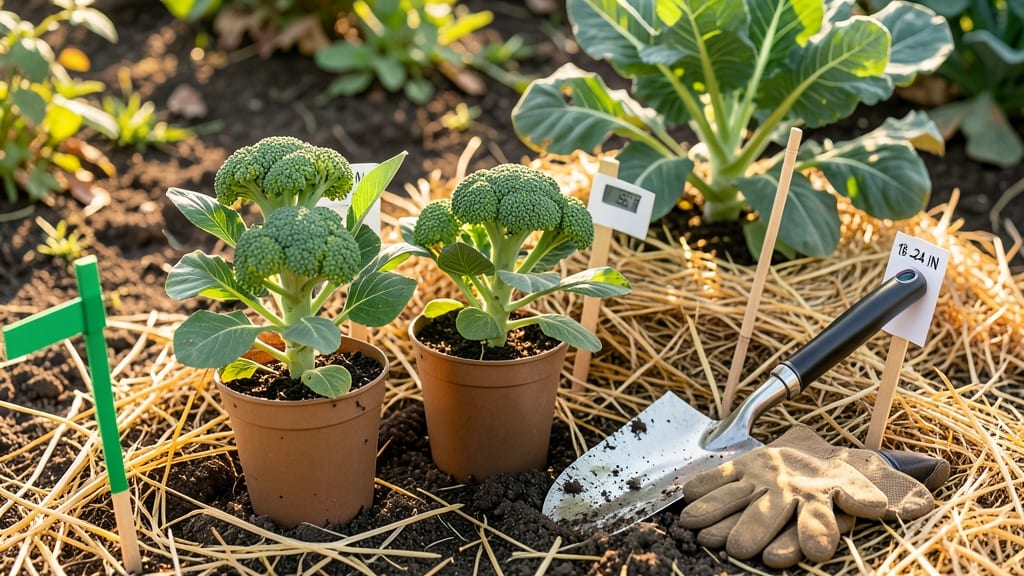
Planting your fall garden in Alabama between mid-August and mid-October sets you up for a harvest just before the first frost, but timing is everything.
Alabama’s warm autumns create a perfect window for a thriving fall garden—but planting too early or too late can ruin your harvest. Timing is everything, and one wrong move could mean struggling with pests, poor yields, or even losing your plants entirely.
If you’ve ever watched your 🥬 broccoli bolt in September heat or your kale turn bitter before frost, you know how critical the right schedule is. The key is matching your crops to Alabama’s 7a-8b zones and avoiding the three biggest mistakes gardeners make.
In this guide, I’ll walk you through the exact planting dates by region, the best crops for your climate, and how to prepare your soil for a fast, bountiful harvest before winter sets in.
Alabama’s fall planting timeline: exact dates by region
Alabama’s fall garden success hinges on understanding three distinct regions—North, Central, and South—each with unique temperature thresholds and frost dates. Planting too early in the South can stress seedlings with lingering summer heat, while North Alabama’s cooler nights demand earlier starts.
Let’s break down the optimal planting windows for your area, ensuring your cool-season crops thrive.
For North Alabama (USDA Zones 7a-7b), the first frost typically arrives by November 1, giving you a longer growing window. In Central Alabama (Zone 7b-8a), expect frost around November 15, while South Alabama (Zone 8a-8b) often delays frost until December 1.
These dates guide your 6-8 week planting window before harvest.
Here’s the critical rule: Soil temperatures should stay below 85°F for seed germination. In Alabama’s heat, this often means waiting until late August for Southern regions and early August for Northern areas. Use a soil thermometer to confirm—cool-season crops like broccoli and kale won’t tolerate heat stress.
Heat-tolerant varieties extend your window. For late summer starts (mid-August), opt for ‘Heat-Tolerant’ lettuce or ‘Southern Curled’ collards, which handle 90°F soil temps better than standard varieties. These fast-maturing crops (50-60 days) let you squeeze in an early harvest before cooler weather arrives.
Now, let’s dive into the region-specific planting calendar with exact dates for your cool-season vegetables, herbs, and flowers. This comparison table shows when to plant for maximum yield, avoiding Alabama’s most common fall gardening mistakes.
For North Alabama gardeners, start broccoli and kale by late July to ensure harvests before frost. These crops need cool nights (50-60°F) to thrive, so avoid planting after August 15. Use row covers if temperatures spike—even a 10°F drop can stress seedlings.
Central Alabama’s mid-August window is ideal for turnips and beets, which mature in 50-60 days. Plant every 2 weeks until September 15 for staggered harvests. Swiss chard, a heat-tolerant leafy green, can handle 90°F soil better than most, making it a great late-summer option.
In South Alabama, where frost is rare, focus on heat-tolerant varieties like ‘Black Seeded Simpson’ lettuce or ‘Troy’ collards. These can handle up to 95°F and still produce. For root crops, plant carrots and radishes by late August—they’ll mature before cooler weather sets in.
Don’t overlook succession planting. Even in Alabama’s mild climate, 3-4 week intervals between plantings ensure a continuous harvest. For example, sow radishes every 10 days from August through September—they’re ready in just 25 days!
Pro tip: Use mulch (straw or leaves) to regulate soil temperature. In North Alabama, it extends the season by 2-3 weeks; in South Alabama, it prevents soil from
3 Critical mistakes that wipe out Alabama fall gardens (and how to avoid them)
Alabama’s fall garden season is a gardener’s dream—longer daylight, milder temperatures, and fewer pests. But even experienced gardeners can make costly mistakes that destroy their harvest before it begins. The biggest culprits? Planting too early, ignoring frost dates, and skipping proper soil prep for Alabama’s notorious clay-heavy soil.
These errors don’t just reduce yields—they can wipe out entire plantings overnight.
Urban gardeners in Birmingham or Huntsville face different challenges than rural growers in Dothan or Mobile. For example, city heat islands can delay frost by weeks, while coastal areas may experience earlier cold snaps.
Without adjusting your approach, you’re setting yourself up for failure. Let’s break down the three most devastating mistakes—and how to sidestep them completely.
⚠️ Mistake #1: Planting Too Early (Heat Stress = Instant Failure)
Alabama’s late summer heat (often lingering into September) can fry tender seedlings. Planting leafy greens or broccoli before mid-August risks bolting (premature flowering) or wilting. Even heat-tolerant varieties like Swiss chard or collard greens struggle when soil temps exceed 85°F.
🔹 Urban Tip: Use shade cloth for early starts or opt for container gardening on patios where soil cools faster.
🔹 Rural Tip: Wait until soil temps drop below 80°F (check with a soil thermometer) before sowing.
If you’re eager to start early, focus on fast-maturing crops like radishes (25 days) or bush beans (50 days) that can handle brief heat spikes. For slower growers like Brussels sprouts (90+ days), wait until late August to avoid stunted growth.
I once lost an entire kale patch because I planted in early August—by September, the plants were leggy and bitter, and pests moved in.
Another common trap is ignoring frost dates. Alabama’s first frost typically arrives between November 1 (North) and November 15 (South)**>, but urban areas can delay it by 10–14 days. Planting cabbage or carrots too close to frost means they’ll either bolt or rot in the ground.
Use the 6–8 week rule: Count backward from your expected frost date to determine when to sow. For example, if frost hits November 10, plant lettuce by September 20.
Rural gardeners often assume their clay-heavy soil is “good enough” for fall planting, but without amendments, it becomes a brick-hard nightmare. Alabama’s soil is 60% clay in many regions, which drains poorly and compacts easily. Skipping soil prep leads to root rot, poor nutrient uptake, and stunted plants.
Before planting, mix in 2–3 inches of compost or aged manure and consider adding gypsum (10 lbs per 100 sq ft) to break up clay. I’ve seen turnip plants double in size within weeks after amending heavy soil!
Finally, don’t overlook succession planting—a critical step for extending your harvest. Instead of planting everything at once, stagger seeds every 2 weeks for crops like spinach, arugula, and radishes.
This ensures a continuous supply of fresh produce and reduces the risk of losing your entire crop to a single frost or pest outbreak.
For example, if you plant 50% of your lettuce seeds on August 15, another 30% on August 29, and the final 20% on September 12, you’ll have harvests through December.