
Planting
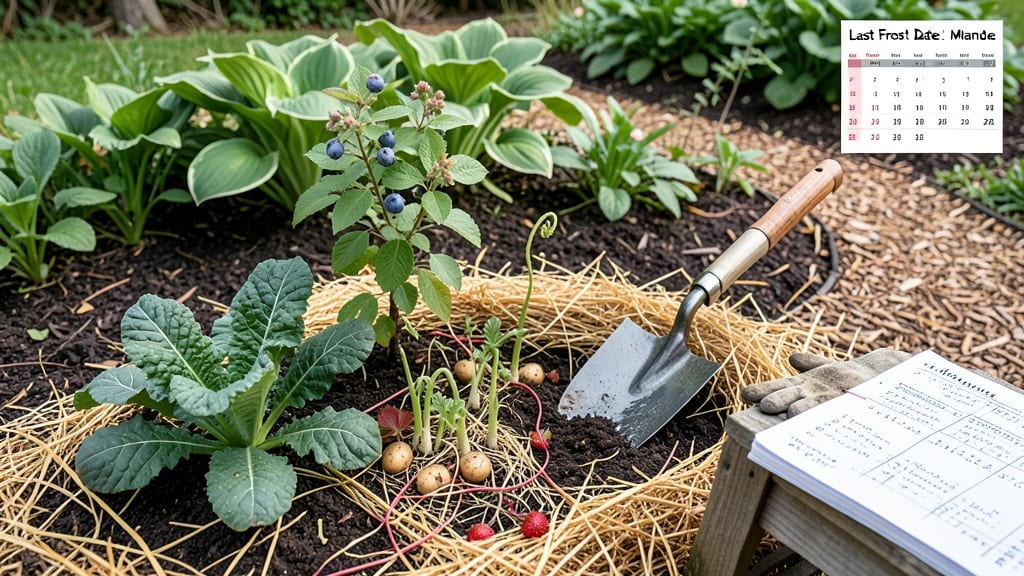
Planting your garden in Maine at the right time means the difference between a bountiful harvest and a frost-killed disappointment — and the window is narrower than you might think.
Maine’s unpredictable climate can turn gardening success into a high-stakes guessing game, but timing your plantings correctly ensures your 🥕 thrive when they count. Whether you’re sowing cool-season crops like kale or waiting for the soil to warm up for tomatoes, getting it wrong risks lost time and effort.
Most gardeners in zones 5b-6a should start seeds indoors by March for early spring crops, then transition outdoors after the last frost—typically late April to early June.
But with Maine’s short growing season, even a few missed days can mean the difference between a full garden and a half-empty one.
Below, I’ll break down the exact planting schedule for your top crops, how to adjust for late frosts, and the best ways to stretch your season—so you can enjoy fresh veggies from June all the way through October.
Maine’s frost-free dates by planting Zone: when to start seeds indoors vs. outdoors
Maine’s USDA Plant Hardiness Zones 4-6 create a short but productive growing season—just 150-180 frost-free days in most areas. Knowing your last average frost date (typically mid-May) is critical for timing indoor seed starts and outdoor transplants.
In Zone 4 (northern Maine), frost lingers until late May or early June, while Zone 6a (southern Maine) sees frost-free conditions by mid-May.
Warm-season crops like tomatoes and peppers demand precision: start seeds 6-8 weeks before your last frost indoors under grow lights. Cool-season crops such as kale and peas can handle early spring plantings (even before last frost) or fall succession plantings after mid-August.
Historical data from 2023-2024 shows late frosts in May and early frosts in October, so always prepare for 2-week buffers on both ends.
🌱For warm-season crops, the soil temperature matters just as much as air temperature. Wait until the ground reaches at least 50°F before transplanting tomatoes, peppers, and cucumbers. Use a soil thermometer to track progress—cold soil slows germination and stunts growth.
In Zone 4, this often means delaying transplants until late May or early June, even if frost-free dates suggest earlier.
Cool-season crops like spinach, lettuce, and radishes thrive when planted 4-6 weeks before your last frost. These hardy greens can even tolerate light frosts (down to 20°F for some varieties). Extend their season by planting succession crops every 2 weeks from April through June.
In Zone 6a, you can squeeze in two full harvests of baby leaf lettuce before summer heat sets in.
Maine’s microclimates add another layer of complexity. Coastal areas (like Portland) experience milder winters and later frosts than inland regions (like Bangor). Adjust your timeline by 1-2 weeks if you’re near the ocean—cooler maritime air delays warming.
For inland gardens, row covers can push spring plantings 2-3 weeks earlier and fall harvests 2-3 weeks later.
Don’t overlook fall planting for cool-season crops. After Labor Day, focus on kale, Brussels sprouts, and carrots, which mature quickly in cool weather. These crops can handle light frosts and even taste sweeter after exposure to 20-30°F temperatures.
In Zone 5, aim to plant by August 15 for a fall harvest before the first hard frost in October.
Pro tip: Use frost-sensitive varieties like ‘Early Girl’ tomatoes or ‘Sweet 100’ peppers to maximize your short season. These fast-maturing hybrids can go from seed to harvest in 50-60 days, giving you a better chance to beat early October frosts.
Pair them with slow-to-mature crops like butternut squash (90+ days) for a staggered harvest.
When in doubt, consult local records. The Maine Climate Office
Best planting schedule for Maine’s top 10 vegetables and herbs
Maine’s short growing season demands precision—plant too early, and frost will strike; too late, and you’ll miss half the harvest. The key is succession planting and choosing varieties that thrive in our cool summers and chilly springs.
For example, ‘Early Girl’ tomatoes need to hit the ground after May 15 in most zones, while ‘Winterbor’ kale can handle light frosts and even overwinter.
Below is my month-by-month breakdown for Maine’s top 10 crops, including when to start seeds indoors, transplant dates, and succession planting windows to keep your garden productive all season. I’ve also included heat-tolerant varieties to push your harvest limits and cold-hardy options for early starts.
- 1 March: Start cool-season crops indoors—lettuce, spinach, kale, and peas. Harden off by late April for outdoor planting.
- 2 April: Plant radishes, carrots, and onions outdoors as soon as soil is workable (40°F+). Succession-sow radishes every 2 weeks for continuous harvests.
- 3 May (after last frost): Transplant tomatoes, peppers, and basil (use ‘Early Girl’ tomatoes—they ripen in 50 days). Start beans and cucumbers directly in soil.
- 4 June: Sow summer squash, corn, and second crops of beans. For succession planting, replant lettuce and spinach in partial shade to avoid bolting.
- 5 July-August: Plant fall crops early: kale, Brussels sprouts, and broccoli. Use row covers to extend the season for herbs like cilantro and dill.
- 6 September: Direct-sow spinach, peas, and radishes for early fall harvests. Protect with frost blankets if nights dip below 32°F.
For heat-tolerant varieties, prioritize ‘Cherokee Purple’ tomatoes (ripe even in 80°F+) and ‘Jalapeño M’ peppers, which handle Maine’s brief summer heatwaves. Meanwhile, cold-hardy crops like ‘Winterbor’ kale and ‘Sugar Snap’ peas can survive light frosts, giving you harvests well into October.
Pro tip: Use succession planting for lettuce and radishes—sow new seeds every 2 weeks from April through July. This ensures a steady supply instead of one massive harvest. For beans, stagger plantings every 10 days to align with your family’s needs.
Even with the best schedule, Maine’s weather can throw curveballs. If a late frost threatens, cover tender plants with floating row covers or move potted herbs indoors temporarily.
With this plan, you’ll maximize your 150-180 frost-free days and enjoy homegrown food from June to October—or even longer with a little creativity! 🌱