
Planting
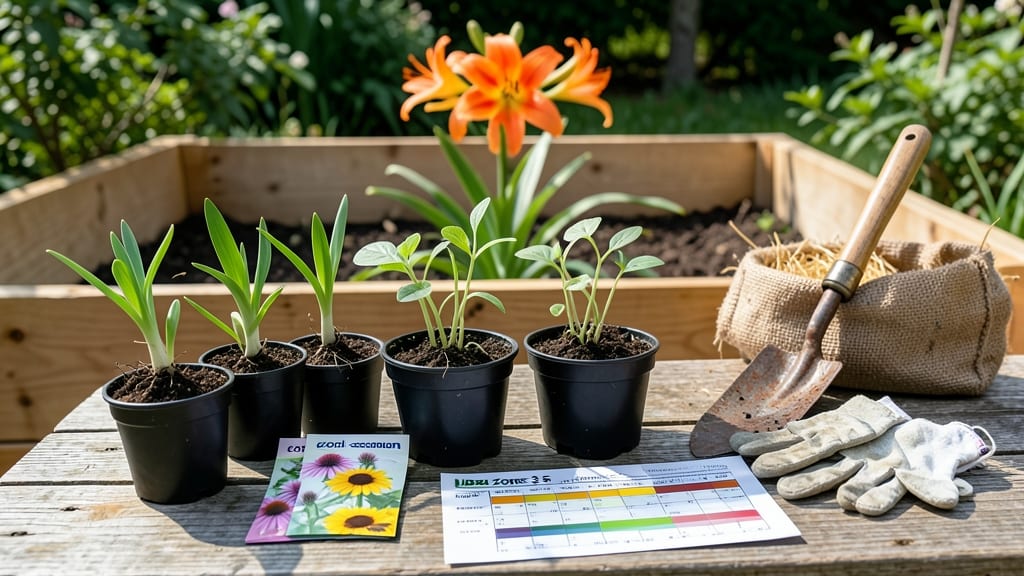
To plant a garden in Minnesota, time your warm-season crops after the last frost—usually mid-May in the North, late April in the South—but wait until soil warms to 50°F for best results.
Minnesota’s unpredictable frost dates can turn a gardener’s excitement into frustration—but timing your plantings correctly means the difference between a thriving harvest and a wasted season.
Whether you’re in the chilly North or the slightly milder South, knowing exactly when to plant is the key to success. Cool-season crops like peas and spinach can go in as early as March, while tomatoes and peppers need to wait until late May.
Below, I’ll break down frost dates by zone, share a month-by-month planting calendar, and reveal the one trick that saves gardens from late frosts—so you can grow with confidence, no matter where in the state you’re planting.
Minnesota’s frost dates by Zone: when to start planting vegetables & flowers
Minnesota’s gardening season hinges on frost dates, which vary dramatically across USDA Zones 3-5. In Zone 3 (northern MN), the average last frost date is May 15, while Zone 5 (southern MN) typically sees its final frost around May 1.
These dates mark the transition from cool-season crops (like spinach and peas) to warm-season plants (tomatoes, peppers).
Urban areas like Minneapolis often experience later frosts due to the "urban heat island" effect, while rural spots in Zone 4 (e.g., St. Cloud) may see frost linger until May 22.
Always use the 10-day rule: Wait 10 days after your average last frost to plant heat-loving crops like basil or cucumbers.
For flowers, hardy annuals (e.g., pansies) can go in early April, while tender perennials (like dahlias) need to wait until after Memorial Day.
Perennials like coneflowers can handle Zone 3’s first frost (typically September 20), but tropicals (e.g., hibiscus) must be dug up before frost.
🌱
To extend your season, use row covers or cold frames to plant warm-season crops 2-3 weeks earlier. For example, in Zone 4, you might safely plant tomato seedlings on May 15 (10 days after the average frost), but cover them until nighttime temps stay above 50°F.
For fall planting, focus on cool-season crops like kale or radishes starting August 1. In Zone 3, aim to harvest before October 1; in Zone 5, you can push it to November 1. Always check soil temps—40°F+ is ideal for most seeds.
🌿
Minnesota’s microclimates add another layer of complexity. A south-facing slope in Zone 4 might warm up 1-2 weeks faster than a north-facing valley. Use weather stations (like NOAA’s Local Climate Data) to track 3-year averages for your specific area.
If you’re new to gardening, start with cold-hardy crops like potatoes or garlic, which tolerate late frosts better than delicate greens.
Pro tip: Mark your last frost date on your calendar and set a reminder 10 days prior to begin hardening off seedlings or preparing direct-sow crops.
For flowers, annuals like marigolds can handle light frosts, while geraniums need to wait until after June 1 in Zone 3.
☀️
Best planting schedule for Minnesota gardens: month-by-month guide
Minnesota’s gardening season is short but sweet—knowing your month-by-month planting schedule ensures you maximize every growing opportunity. From cold-hardy peas in March to tomatoes in June, each month offers unique planting windows tailored to your USDA Zone (3-5).
Let’s break it down so you never miss a planting deadline again.
Start with indoor seed starting in early spring for warm-season crops like peppers and eggplants, while cool-season veggies like spinach and kale can go straight into the garden as soon as the soil thaws.
Below, I’ll walk you through the ideal planting timeline for Minnesota’s most popular crops, including perennials like asparagus and rhubarb that thrive with patience.
Here’s your actionable month-by-month planting calendar, accounting for Minnesota’s unpredictable frost dates and soil warming trends:
Pro tip: Use row covers or cold frames to push planting windows earlier in spring or later in fall. For example, you can plant spinach in late August under protection for a frost-tender harvest in October.
Perennials like asparagus and rhubarb are worth the wait—plant crowns in early spring (March-April) and expect harvests in 2-3 years. Meanwhile, annual flowers like marigolds can be direct-sown in May-June for summer color.
By following this schedule, you’ll avoid the heartbreak of frost-nipped seedlings and enjoy a continuous harvest from spring to fall. Happy planting!