
Planting
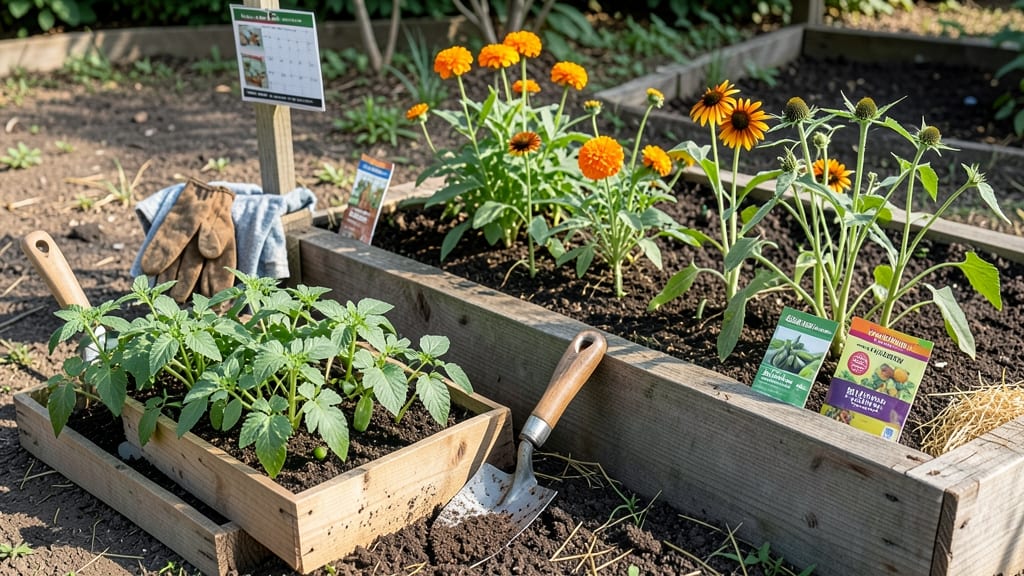
Planting a garden in Nebraska at the right time means the difference between a thriving harvest and a sad pile of seedlings lost to frost or heat.
Nebraska’s unpredictable climate can make or break your garden—planting at the wrong time means stunted growth, pests, or even total crop failure. But timing it right unlocks a bountiful harvest, whether you're growing corn in the southeast or hardy vegetables in the panhandle.
The key lies in understanding your USDA zone (5a-6b) and last frost dates, which typically land between mid-April and early May.
Cool-season crops like spinach and peas can go in the ground as early as mid-March in some regions, while warm-season favorites like tomatoes and peppers need to wait until after the last frost—usually mid-May.
Fall planting also offers a second chance for greens and root vegetables, with windows opening in mid-August.
Below, I’ll break down the exact planting windows for your zone, how to adjust for microclimates, and the game-changer strategies to extend your growing season—so you’re not left scrambling when the weather turns.
Nebraska planting zones: when to start seeds indoors vs. outdoors
Nebraska spans USDA Hardiness Zones 4a-6b, meaning your planting schedule should vary slightly depending on where you live. The Panhandle (Zone 4a) has shorter growing seasons, while southeast Nebraska (Zone 6b) enjoys longer summers. Understanding these zones helps you avoid frost damage and maximize your harvest.
Most of Nebraska experiences its last spring frost between April 15 and May 1, while the first fall frost typically arrives around October 15-20.
These dates are your planting guideposts—cool-season crops like spinach and peas can handle light frosts, while warm-season crops like tomatoes and peppers need to wait until after the last frost.
To plan with precision, use a frost calendar from your local Nebraska Extension office. These calendars account for microclimates, like urban areas that warm up faster than rural zones. For example, Omaha (Zone 5b) might have a two-week earlier last frost than Scottsbluff (Zone 4a).
Starting seeds indoors gives you a head start, especially for warm-season crops.
Begin tomatoes and peppers indoors 8-10 weeks before your last frost date, which typically means mid-February to early March for most of Nebraska. Cool-season crops like lettuce and carrots can often be direct-sown outdoors as soon as the soil is workable, usually late March to early April.
Here’s how to align your planting with Nebraska’s zones:
For cool-season crops like spinach, peas, and kale, you can start seeds outdoors as early as late March in Zone 6b or mid-April in Zone 4a. These plants thrive in cooler temperatures and can even tolerate light frosts.
In contrast, warm-season crops like tomatoes, peppers, and cucumbers need to wait until the soil temperature reaches at least 50°F, usually 2-4 weeks after your last frost date.
If you’re growing herbs like basil or cilantro, timing is critical. Basil, for example, won’t survive frost and needs to be planted after the last frost, while cilantro bolts in heat, so it’s best planted in early spring or late summer for a fall harvest.
Use row covers to extend your growing season for both cool- and warm-season crops.
Pro tip: Mark your calendar with two key dates—your average last frost date and the date 12 weeks before (for indoor seed starting). This ensures you’re ready to transplant seedlings outdoors at the perfect time.
For example, if your last frost is May 1, start tomatoes indoors by February 1.
Don’t forget about fall planting! Many cool-season crops like broccoli, carrots, and radishes can be sown in late summer for a fall harvest. Aim to plant these
Critical mistakes to avoid when planting in Nebraska’s unpredictable climate
Nebraska’s unpredictable spring weather can trick even experienced gardeners into planting too early. A false spring—where warm temperatures fool you into thinking frost is over—can wipe out tender seedlings overnight.
I’ve seen tomatoes and peppers thriving one day, only to be killed by a surprise frost the next. The key is patience and preparation.
Another common mistake is ignoring soil temperature rather than air temperature. Cool-season crops like spinach and kale can handle chilly soil, but warm-season plants like cucumbers and squash need soil at least 60°F to germinate. Planting too soon leads to slow growth or seed rot.
Microclimates also play a huge role. Urban areas with concrete and pavement can be 5–10°F warmer than rural fields, while low-lying spots may stay frost-prone longer. Even within your yard, a south-facing slope warms up faster than a shady corner.
False Spring Warning: Don’t Fall for the Trap!
Signs of a false spring: Daffodils blooming doesn’t mean frost is over—wait until lilacs bloom consistently. Check the Nebraska State Climate Office for 10-day forecasts before planting warm-season crops. For a DIY soil test, press your finger into the ground: if it feels cold and damp below 2 inches, wait at least 2 weeks longer.
Overlooking microclimates in your yard can also backfire. For example, my tomato plants near the house thrived in Zone 6b, while the same variety struggled in a frost pocket at the edge of my property.
Use a frost calendar from your local Nebraska Extension office and adjust planting dates by 1–2 weeks for cooler spots.
Finally, rushing to plant warm-season crops like peppers or eggplants before the last frost can stunt their growth. These plants need consistent warmth to develop properly. Start them indoors 6–8 weeks before your last frost date, then transplant after May 15 in most of Nebraska.
By avoiding these mistakes—waiting for true spring, testing soil temperature, and accounting for microclimates—you’ll give your garden the best shot at success, even with Nebraska’s unpredictable weather. 🌱