
Planting
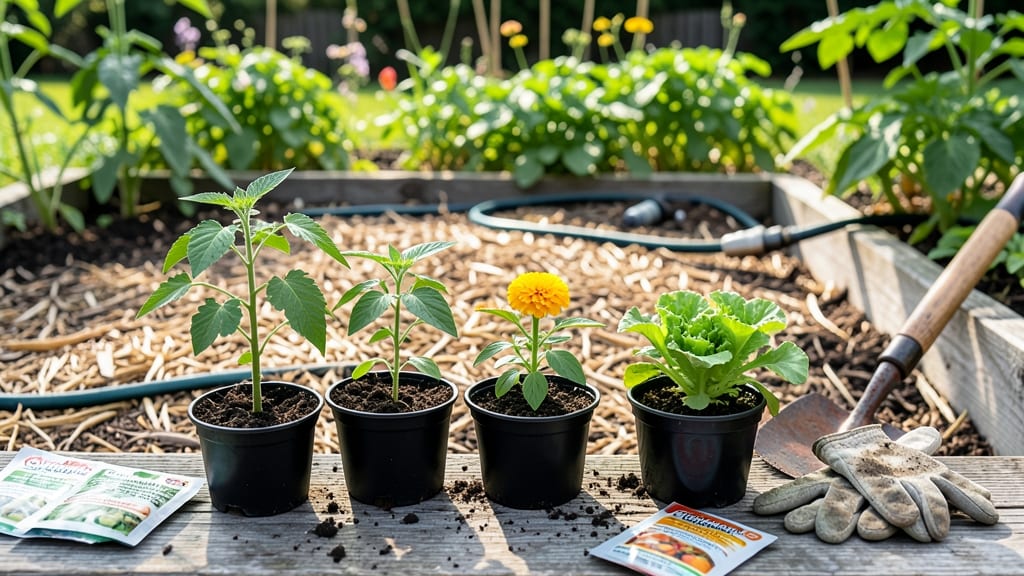
Planting your garden in Ohio at the right time means knowing when to start seeds and set out transplants to beat frost and maximize growth.
Ohio’s unpredictable spring weather can leave gardeners scrambling—plant too early and risk frost damage, too late and miss peak harvests. Timing your garden correctly means knowing Ohio’s USDA hardiness zones and heat-tolerant plant schedules to maximize your yield.
For Zone 6a, where most of Ohio falls, the ideal window for cool-season crops like spinach and peas opens in early March, while warm-season favorites like tomatoes and peppers need to wait until after the last frost—typically mid-April.
Below, I’ll break down the exact start dates by crop, how to adjust for Ohio’s variable climate, and which heat-loving plants thrive in summer’s 85°F+ temperatures.
Ohio planting zones: exact start dates by vegetable type
Ohio spans USDA hardiness zones 5b through 6a, meaning your planting schedule should shift slightly between northern and southern regions. The average last frost date in northern Ohio (e.g., Cleveland) is around April 15, while southern Ohio (e.g., Cincinnati) typically sees frost-free conditions by April 1.
Warm-season crops like tomatoes and peppers need soil temperatures above 60°F to thrive, while cool-season crops like spinach and peas can handle 40-50°F soil temps.
To simplify planning, I’ve broken down planting windows by crop type and region. Northern Ohio gardeners should wait until mid-April for warm-season crops, while southern Ohio gardeners can start as early as late March.
For cool-season crops, planting 4-6 weeks before the last frost ensures a head start on the growing season.
⚠️ Pro Tip: Use a soil thermometer to confirm temperatures before planting warm-season crops. If soil is still chilly, wait another week—cold soil stunts growth and delays harvests.
| CROP TYPE | NORTHERN OHIO (Zone 5b) | SOUTHERN OHIO (Zone 6a) | KEY NOTES |
|---|---|---|---|
| Cool-Season Crops (Spinach, Peas, Lettuce) | March 15 - April 1 | March 1 - March 15 | Plant 4-6 weeks before last frost for early harvests. Succession plant every 2 weeks. |
| Warm-Season Crops (Tomatoes, Peppers, Cucumbers) | April 20 - May 1 | April 1 - April 15 | Wait until soil reaches 60°F. Use row covers for early starts. |
| Root Vegetables (Carrots, Beets, Radishes) | March 20 - April 10 | March 10 - March 25 | Direct-sow seeds; avoid transplant shock. Thin seedlings for optimal growth. |
| Herbs (Basil, Cilantro, Dill) | After last frost (April 15) | After last frost (April 1) | Basil needs warm soil; cilantro bolts in heat—sow in fall for best flavor. |
| Fall Plantings (Kale, Brussels Sprouts, Broccoli) | August 1 - August 15 | July 20 - August 1 | Plant 60-75 days before first frost for winter harvests. Mulch heavily to protect roots. |
For warm-season crops, timing is critical—planting too early can lead to blossom-end rot in tomatoes or stunted peppers. I recommend starting seeds indoors in late February for northern Ohio and early February for southern Ohio.
Transplant seedlings outdoors after the last frost, but only when nighttime temperatures stay above 50°F.
Ohio’s microclimates can vary dramatically even within a few miles. If you’re in a low-lying area, expect frost to linger longer than higher elevations. Use a frost calendar from your local Ohio State University Extension office for hyper-localized advice.
For example, Toledo (Zone 5b) may need to wait until May 1 for peppers, while Columbus (Zone 6a) can plant them by April 15.
Don’t overlook succession planting for crops like lettuce and beans. By staggering plantings every 2 weeks, you’ll ensure a continuous harvest instead of one overwhelming bounty.
For instance, if you plant 3 batches of bush beans in late April, early May, and mid-May, you’ll enjoy fresh beans from June through August.
One of my biggest mistakes? Planting tomatoes too early in northern Ohio and losing seedlings to a late frost.
Now, I harden off seedlings indoors for 10 days before transplanting and always have a backup row cover ready. Heat-loving crops like okra and sweet potatoes can wait until after Memorial Day for the best results, especially in cooler northern regions.
If you’re unsure about your exact last frost date, check the National Weather Service or use the Almanac’s Frost Calculator. For Ohio, the first frost typically arrives between October 15 and November 1, depending on elevation.
Plan your fall crops accordingly—kale and Brussels sprouts actually sweeten in cold weather, making them perfect for late-season harvests.
Finally, keep a gardening journal to track your planting dates and outcomes. Note when you planted, any weather anomalies, and how well each crop performed. Over time, you’ll refine your schedule to match your specific Ohio microclimate—leading to bigger yields and fewer disappointments.
How to adjust planting dates for Ohio’s unpredictable weather
Ohio’s weather can shift dramatically from week to week, making traditional planting charts unreliable. I’ve learned that the key to success is flexibility—using tools like row covers, cold frames, and succession planting to extend your growing season.
These methods help protect tender seedlings from late frosts while pushing harvests into cooler months when pests are less active.
For example, in Zone 6a, where most of Ohio resides, the average last frost date is April 15, but this can vary by 10-14 days depending on the year.
By using frost cloths, I’ve successfully planted spinach and peas as early as mid-March, giving them a head start without risking damage.
⚠️ WARNING: Ohio’s 10-Year Frost Data Shows Unpredictable Patterns
Ohio’s 10-year frost data reveals that late spring frosts can occur as late as May 10 in northern Ohio, while southern regions like Cincinnati may experience frost as early as October 20.
Always check the National Weather Service or local Cooperative Extension for updates. Use frost-sensitive plants like tomatoes and peppers as a guide—wait until soil temps hit 60°F consistently before transplanting.
Pro Tip: Plant warm-season crops in black plastic mulch to warm the soil faster and create a microclimate that mimics a longer growing season.
One of my favorite strategies is succession planting, where I stagger plantings every 2-3 weeks to ensure a continuous harvest. For instance, I’ll plant bush beans in early May, then again in late June, guaranteeing fresh pods from June through September.
This works especially well for lettuce and radishes, which bolt quickly in Ohio’s summer heat.
For late-season extensions, I rely on cold frames to protect kale, carrots, and Brussels sprouts well into November. A simple DIY frame made from wood and plastic sheeting can add 4-6 weeks to your harvest window.
Pair this with straw mulch to insulate roots, and you’ll be harvesting hearty greens long after most gardens have gone dormant.
Don’t overlook microclimates—your garden’s location matters. South-facing beds warm up faster, while north-facing areas stay cooler. I’ve noticed that tomatoes in my south-facing raised beds ripen 2 weeks earlier than those in shaded spots.
Use this to your advantage by planting heat-lovers like okra and sweet potatoes in the warmest areas of your yard.
Finally, keep a planting journal to track what works in your specific Ohio microclimate. Note when you planted, any adjustments you made, and how the season treated your crops. Over time, you’ll develop a personalized planting schedule that beats Ohio’s unpredictable weather every time. 🌱