
Planting
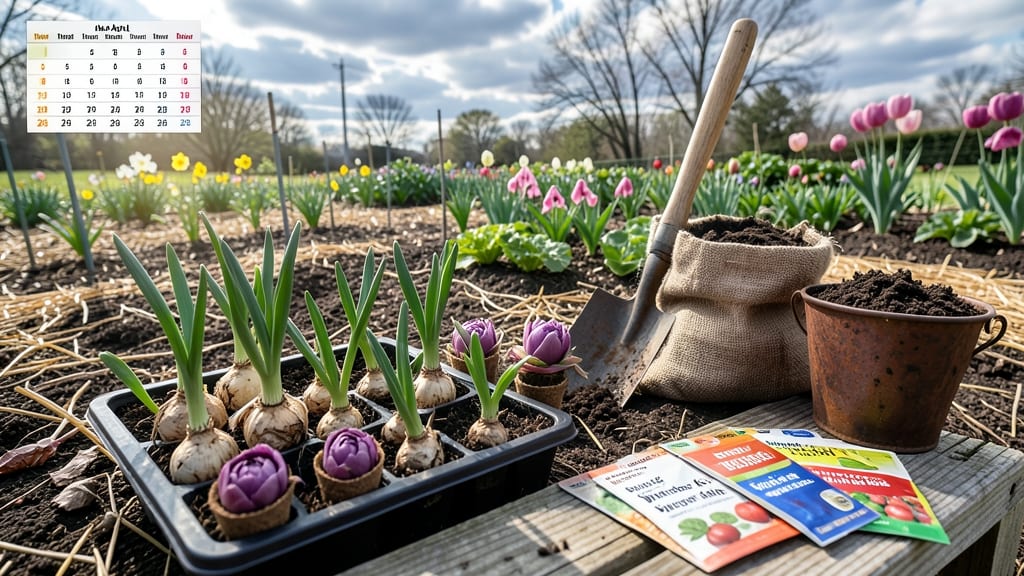
Planting your garden in Upstate NY at the right time means the difference between a bountiful harvest and a lost season.
Upstate New York’s unpredictable frosts and short growing seasons demand precision timing to maximize your garden’s potential—plant too early, and you risk losing crops to late frosts; too late, and you’ll miss the harvest window entirely.
With USDA zones 5b-6b and frost-free days averaging 150-180, knowing when to plant 🌱 General Garden Plants is the key to success. Whether you’re sowing cool-season veggies in spring or warm-season favorites in fall, timing is everything.
Below, I break down the best planting schedule for Upstate NY, including frost dates, soil prep tips, and how to stretch your growing season for the best yields—no matter where you’re gardening in the region.
Upstate NY planting zones & last frost dates by region
Upstate New York spans USDA Hardiness Zones 5b through 6b, creating a diverse climate where gardeners must carefully time plantings to avoid frost damage. The region’s short growing season (typically 150-180 frost-free days) means knowing your local last frost date is critical for success.
Microclimates—like sheltered valleys or higher elevations—can shift these dates by 1-3 weeks, so always adjust for your specific location.
For most of Upstate NY, Albany and Syracuse fall into Zone 5b-6a, while Rochester and Buffalo lean toward 6a-6b. These zones influence when you can safely plant cool-season crops (like spinach) in early spring or warm-season plants (like tomatoes) after the last frost.
Below, I’ve broken down average last frost dates by region, with adjustments for microclimates to help you plan with confidence.
In Albany, where the last frost typically arrives between April 15 and May 1, gardeners can start cool-season crops like peas and lettuce as early as mid-March under row covers.
However, warm-season plants like tomatoes and peppers shouldn’t go in until after May 15, when soil temperatures consistently stay above 50°F (10°C).
Microclimates here matter—sheltered valleys (like the Hudson Valley) may see frosts 1 week earlier, while higher elevations (like the Adirondacks) could delay planting by 1-2 weeks.
For Syracuse, located in Zone 5b-6a, the last frost window is slightly later (April 20-April 30), giving gardeners a 2-week buffer compared to Albany. The lake-effect climate near Syracuse can push frosts 2 weeks later in some areas, so monitor local weather forecasts.
Cool crops like kale and radishes can be sown by March 20, while cucumbers and beans should wait until May 10 to avoid frost damage.
Rochester’s Zone 6a-6b status means its last frost often arrives between April 25 and May 5, making it one of the earliest regions in Upstate NY for warm-season planting.
Urban gardens in Rochester may experience earlier last frosts by 3 days due to the "urban heat island" effect, while rural hillsides could delay planting by up to a week. This variability means hardening off seedlings in late April is a smart strategy to protect tender young plants.
Buffalo’s proximity to Lake Erie creates a unique microclimate where last frosts can occur as late as May 10. The lake’s moderating influence often delays spring planting by 1 week near the shoreline, but inland valleys (like the Genesee Valley) may see frosts 1 week earlier.
For Buffalo gardeners, cool-season crops can start by April 1, but tomatoes and peppers should wait until May 15 to ensure they thrive without frost risk.
To account for these regional differences, I recommend using frost-free date calculators (like the National Weather Service’s frost prediction maps) and tracking your local garden’s history for 3-5 years.
For example, if your neighbor in a valley plants tomatoes on May 1 with success, you might try May 8 in a higher-elevation area. Row covers and cold frames can also extend your planting window by 2-4 weeks, especially for early spring or late fall crops.
Remember, soil
Best planting schedule for Upstate NY vegetables & herbs
Upstate NY gardeners know timing is everything—cool-season crops like spinach and kale thrive in early spring, while tomatoes and peppers need warm soil to germinate. With USDA zones 5b-6b, your planting window is tight, but mastering succession planting ensures a steady harvest all season long.
I’ve broken down the ideal planting schedule for Upstate NY, including cool-season starts (March-April), warm-season transplants (May-June), and fall replants (August-September). Whether you’re a beginner or a seasoned gardener, these dates will help you avoid frost damage and maximize your garden’s potential.
- 🌱 March 15-April 15: Start cool-season crops indoors (spinach, kale, lettuce) or sow directly in well-draining soil after last frost risk passes.
- 🌡️ April 20-May 10: Transplant hardy herbs (cilantro, parsley) and early potatoes when soil reaches 50°F (10°C).
- ☀️ May 15-June 1: Plant warm-season staples (tomatoes, peppers, basil) after last frost date (typically May 15 in most of Upstate NY).
- 🌿 June 15-July 15: Succession plant bush beans and carrots every 2-3 weeks for continuous harvests.
- 🍂 August 1-September 15: Replant cool-season crops (spinach, radishes) for fall harvests before first frost (October 15).
- ✂️ September 1-October 1: Harvest herbs (basil, dill) before frost and preserve for winter use.
For succession planting, focus on crops like lettuce and bush beans—sow new seeds every 2-3 weeks after the initial planting to keep your harvests coming. This works especially well for herbs like cilantro, which bolts quickly in heat but thrives in cooler fall weather.
Pro tip: Use row covers to extend your spring planting window by 2-3 weeks, protecting tender seedlings from late frosts. Similarly, black plastic mulch warms soil faster in spring, giving tomatoes and peppers a head start.
Remember, Upstate NY’s microclimates vary—valleys stay cooler longer, while south-facing slopes warm up faster. Adjust your planting dates by 1-2 weeks based on your specific location’s frost history. Happy gardening!