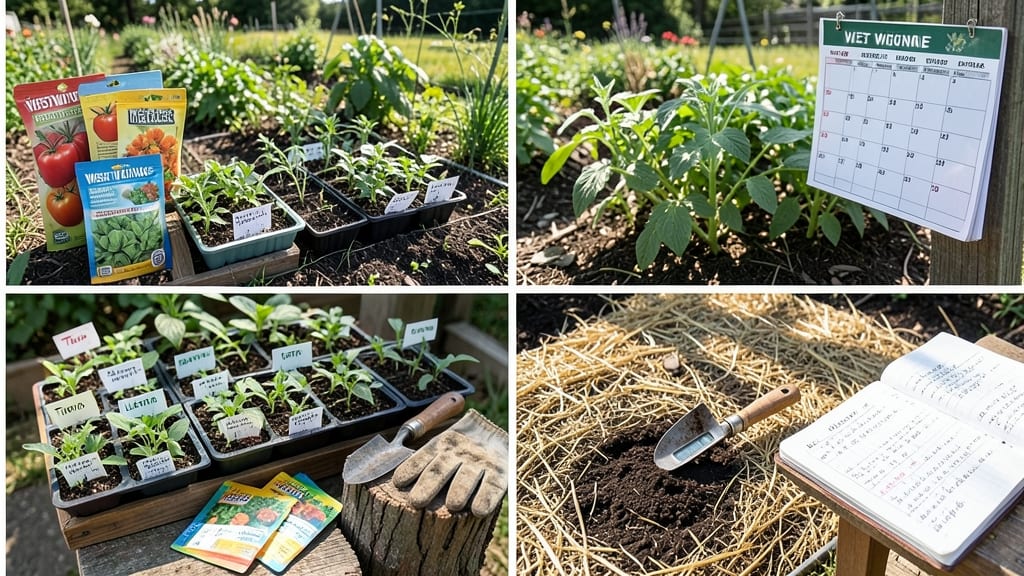
Planting a garden in West Virginia’s 6a-7a zone means timing is everything—miss the window, and your 🌱 could face frost damage or stunted growth.
West Virginia’s Zone 7 climate offers a surprisingly short window for planting—get it wrong, and your garden could face frost damage or stunted growth. Timing is everything, but knowing exactly when to plant for maximum yield can turn your WV garden into a thriving success.
Cool-season crops like lettuce and spinach thrive when planted 4-6 weeks before the last frost (around mid-April), while warm-season plants like tomatoes and peppers need to wait until 2-3 weeks after the frost-free date. The key is balancing soil warmth, air temperatures, and WV’s unpredictable weather patterns.
In this guide, I’ll break down the exact planting timelines for vegetables, flowers, and herbs in WV’s Zone 7, plus tips to adjust for late frosts, early falls, and regional microclimates—so you can grow a garden that’s both productive and resilient.
🌱
When to Plant General Garden Plants Garden Plants
Jan
❄️
Feb
🌱
Mar
🌱
Apr
🌱
May
🌱
Jun
🌱
Jul
☀️
Aug
☀️
Sep
🍂
Oct
🍂
Nov
🍂
Dec
❄️
WV Zone 7 planting calendar: exact dates for vegetables, flowers & herbs
West Virginia’s Zone 7 climate demands precision when planting—just a few weeks off can mean the difference between a bountiful harvest and lost crops. With last frost dates ranging from March 15 to April 15 and first frost arriving between October 15 and November 15, timing is critical.
Northern WV tends to have earlier frosts, while southern regions can stretch the season slightly longer. This calendar breaks down month-by-month planting for your garden’s success.
Cool-season crops like lettuce, spinach, and carrots thrive in WV’s spring and fall, while tomatoes, peppers, and cucumbers need the warmth of summer months. Perennials and herbs offer flexibility but still benefit from strategic planting.
Below, you’ll find a detailed planting schedule tailored to WV’s unique microclimates, ensuring your garden stays ahead of frost and heat waves.
| Month |
Cool-Season Crops (Spring/Fall) |
Warm-Season Crops (Summer) |
Perennials & Herbs |
Notes for WV |
| February |
Spinach, Kale, Peas (start indoors) |
— |
Asparagus crowns, Rhubarb |
Northern WV: Wait until March for outdoor planting |
| March |
Lettuce, Broccoli, Cabbage, Carrots |
Tomato & Pepper starts (indoors) |
Chives, Thyme, Lavender |
Use row covers for frost protection |
| April |
Radishes, Beets, Onions, Potatoes |
Transplant tomatoes, peppers, cucumbers |
Basil, Parsley, Dill |
Southern WV: Plant warm crops 1-2 weeks earlier |
| May |
Late lettuce, Swiss chard (shade crops) |
Beans, Corn, Squash, Okra |
Rosemary, Sage, Oregano |
Monitor soil temps (60°F+ for warm crops) |
| June |
— |
Succession plant beans, cucumbers |
Mint, Lemon Balm |
Mulch to retain moisture during dry spells |
| July |
How to adjust planting times for WV’s unpredictable weather patterns
West Virginia’s Zone 7 climate throws curveballs with late frosts and early cold snaps, making traditional planting timelines unreliable. I’ve learned the hard way—skipping soil temperature checks once left my tomato seedlings frozen overnight! The key is flexibility, not rigid dates.
Start by using a frost-free date calculator (like the Old Farmer’s Almanac tool) to pinpoint your local last frost date—it can vary 2-3 weeks from the average. For example, my garden in Charleston often gets frost-free by April 10, while Morgantown might wait until April 25.
⚠️ WARNING: WV’s Humidity & Late Frosts Can Ruin Your Garden
🌡️ Critical Adjustments for WV Gardeners
- Soil temp must hit 60°F+ for warm-season crops (use a soil thermometer—don’t guess!)
- Row covers extend spring by 2-3 weeks (use floating row covers for frost protection)
- Cold frames let you start spinach/lettuce 4 weeks earlier than outdoor planting
- Succession planting every 2 weeks ensures continuous harvests despite short seasons
Pro Tip: Plant bush beans and radishes in July for fall harvests—they tolerate light frosts!
For container gardening, I’ve had success with heat-mats under pots to warm soil faster, and black plastic mulch to raise ground temps by 5-10°F. This lets me plant peppers 10 days earlier than in-ground beds.
Use succession planting to stretch your growing season. For example, sow lettuce every 2 weeks from March through August. If a late frost hits, cover new seedlings with lightweight row fabric immediately—it’s saved my basil more times than I can count!
Monitor humidity spikes in summer—they can trigger powdery mildew on cucumbers. I space plants wider and water at soil level (not overhead) to prevent fungal issues. A simple fan on low near susceptible plants also helps.
Remember: WV’s first frost often arrives by October 15, but kale and carrots can handle light frosts. Use straw mulch to insulate soil and extend harvests into November. My Swiss chard once survived until December 1 with this trick!
★★★★★4.5(13 reviews)
|