
Plants
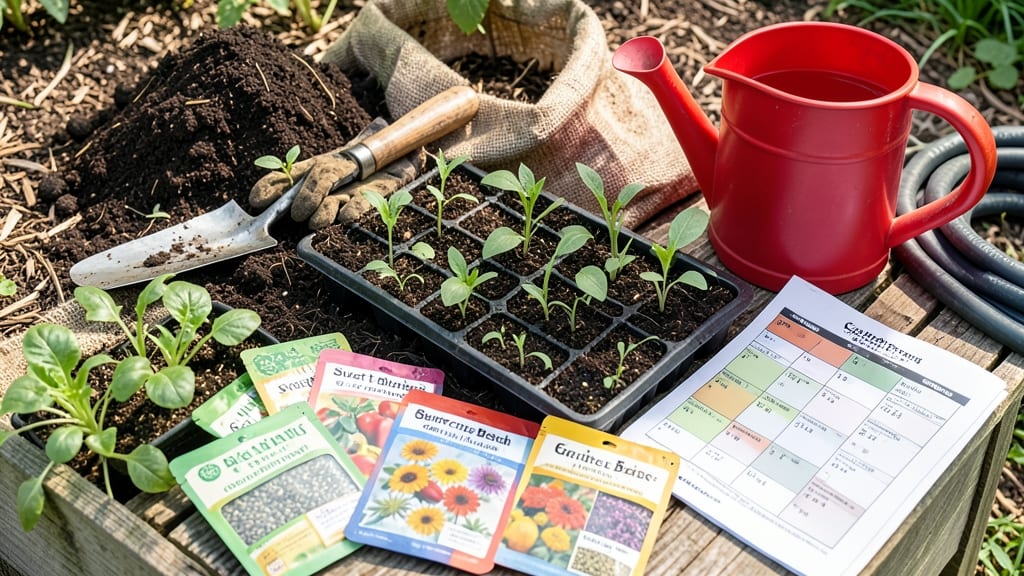
Planting garden plants at the right time is the key to a thriving garden 🌱 — and missing that window can leave you with stunted growth or wasted seeds.
Timing your garden planting right can mean the difference between a thriving harvest and wasted effort—yet most gardeners miss the best windows for their specific climate zone.
Whether you're in a chilly Zone 6a or a balmy coastal area, the wrong timing can turn your green thumb into a frustrating guess. But here’s the good news: with a few simple rules, you can align your planting with nature’s calendar and avoid common pitfalls.
Below, I’ll break down the exact month-by-month deadlines for your region, plus pro tips to stretch your growing season and keep your garden productive year-round.
USDA planting zones explained: when to start seeds vs. transplants
Understanding your USDA Planting Zone is the first step to successful gardening. These zones—ranging from Zone 3 (coldest) to Zone 11 (warmest)—help you determine when to start seeds indoors or plant transplants outdoors. The key factor?
Your last frost date, which varies dramatically by region. For example, gardeners in Zone 3 might wait until late May, while those in Zone 10 can plant year-round in some cases.
Cool-season crops like lettuce and spinach thrive when soil temperatures are still cool, often planted 4-6 weeks before your last frost. Warm-season crops such as tomatoes and peppers, however, need to wait until after the last frost and when soil temperatures reach at least 60°F.
This timing ensures healthy growth and avoids frost damage.
To calculate your last frost date, check your USDA zone and local climate data. Most garden centers provide frost date averages, or you can use online tools like the National Oceanic and Atmospheric Administration (NOAA) website.
For instance, Zone 5 typically sees its last frost around May 15, while Zone 8 might experience it as late as March 15.
Starting seeds indoors is a game-changer for warm-season crops in cooler zones. Begin seeds 6-8 weeks before your last frost date to give them a head start. Transplants, on the other hand, should be hardened off and planted outdoors only after the last frost risk has passed.
This process ensures your plants are strong enough to handle outdoor conditions.
Here’s a quick guide to help you visualize planting windows by zone:
For gardeners in Zone 3 or Zone 4, focus on early spring planting for cool-season crops like kale and carrots. These hardy plants can tolerate light frosts and even thrive in cooler temperatures.
Meanwhile, Zone 9 and Zone 10 gardeners can enjoy year-round planting with careful crop rotation and succession planting.
One common mistake is planting warm-season crops too early. For example, planting tomato seedlings in Zone 5 before April 15 risks frost damage. Always check the seed packet for specific recommendations—some varieties are frost-tolerant, while others require warm soil to germinate.
If you’re unsure, err on the side of waiting a few extra weeks to ensure your plants have the best chance to thrive.
Another tip: use row covers or cold frames to extend your growing season in cooler zones. These tools can protect tender plants from late frosts and give you an earlier start. In warmer zones
Top 5 mistakes that ruin planting timing (and how to avoid them)
Even experienced gardeners fall into the trap of planting at the wrong time—whether it's rushing seeds into cold soil or waiting too long for warm-season crops. These timing mistakes can stunt growth, attract pests, or even kill your plants before they get a chance to thrive.
One of the biggest blunders is ignoring your local frost dates. Planting tomatoes or peppers too early in Zone 6a can leave them vulnerable to late frosts, while waiting until June might mean a shorter harvest season.
The key is knowing your last frost date and adjusting for your specific microclimate.
Another common error is misreading seed packet instructions. Many packets suggest planting dates like "after the last frost," but they rarely specify soil temperature requirements. For example, cucumbers need soil that's at least 70°F to germinate properly—planting them in 50°F soil will leave you waiting weeks for sprouts.
Here’s the hard truth: even a 10-day delay in planting can reduce your harvest by 30% for fast-growing crops like lettuce or radishes. But the good news? Avoiding these mistakes is simpler than you think.
Cool-season crops (like kale or peas) planted too late bolt to seed in the heat, while warm-season crops (like peppers or basil) planted too early rot in cold, wet soil.
In Zone 6a, aim to plant cool-season crops 4-6 weeks before your last frost (around March 15) and warm-season crops 2 weeks after (around May 1). Southern zones (like Zone 9) can plant warm crops 2 months earlier.
Pro tip: Use a soil thermometer—most seeds need soil temps between 50°F and 85°F to germinate properly.
Many gardeners also overlook succession planting opportunities. Instead of planting all your beans at once, stagger them every 2 weeks to ensure a continuous harvest. This simple trick extends your growing season and maximizes space in your garden.
Finally, don’t assume that container gardening follows the same rules as in-ground planting. Containers heat up and cool down faster, so you may need to adjust your planting timeline by 1-2 weeks earlier in spring and later in fall compared to traditional beds.
By avoiding these common timing mistakes—and paying attention to your local climate quirks—you’ll set your garden up for success from day one. Start with small adjustments, like testing your soil temperature before planting, and watch your plants reward you with stronger growth and bigger harvests.