
Plants
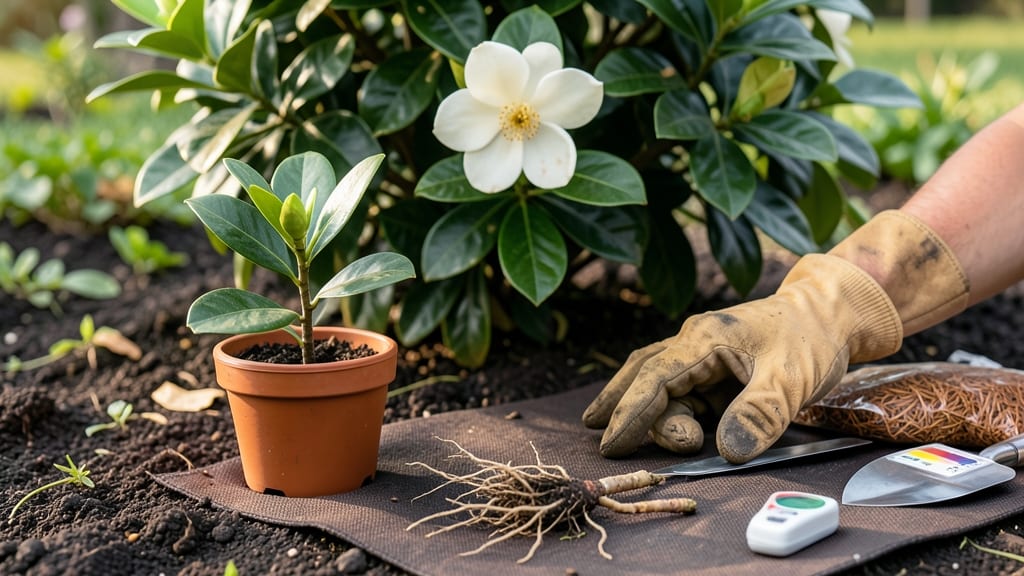
Plant gardenias in Georgia between late March and April, when the soil warms and the last frost has passed—this timing ensures your fragrant 🌸 shrubs thrive in your 7b-8b climate.
Georgia’s warm climate makes it a paradise for gardenias—but planting them at the wrong time can mean fewer blooms and weaker plants.
Timing is everything for these fragrant favorites, and the difference between a stunning summer display and a struggling shrub often comes down to when you put them in the ground.
If you’ve ever watched your gardenias wilt under a late spring frost or struggle to establish roots in scorching summer heat, you know how critical the planting window is. The best months align with Georgia’s 190-220 frost-free days, giving your gardenias time to root before the real heat arrives.
Below, I’ll break down the ideal months for your zone, soil prep tips to keep your gardenias happy, and how to avoid common mistakes that leave Georgia gardeners frustrated every year.
Best months to plant gardenias in Georgia’s climate zones
Georgia’s USDA zones 7b-8a create perfect conditions for gardenias, but timing your planting is critical. These fragrant shrubs thrive when planted after the last frost date, giving roots time to establish before summer’s intense heat. In most of Georgia, late winter to early spring (February-March) offers the ideal window.
For North Georgia’s cooler microclimates (Zone 7b), I recommend waiting until mid-to-late March when frost risks have passed. Meanwhile, South Georgia’s warmer Zone 8a gardeners can start as early as late February in sheltered locations. The key is avoiding both late frosts and mid-summer heatwaves.
Climate Zone
Best Planting Window
Key Considerations
Why This Timing?
Zone 7b (North GA)
Mid-to-late March
Wait for consistent 60°F+ nights
Avoids late frosts while allowing root establishment before summer heat
Zone 8a (Central/South GA)
Late February-March
Can start 2-3 weeks earlier in sheltered spots
Warmer microclimates reduce frost risk, but still avoid April heatwaves
All Zones: Late Fall Option
October-November
6-8 weeks before first frost
Use acidic soil amendments and mulch heavily
Allows roots to establish before winter dormancy in Zone 7b
Zone 8a Exception
Not recommended
Summer heat stress risk
Fall planting in Zone 8a often leads to heat shock the following spring
I’ve found that February-March planting gives gardenias the strongest start. The 60-70°F soil temperatures during this window encourage rapid root growth, while avoiding the intense summer heat that can stress young plants. For North Georgia gardeners, I recommend checking your local frost date calendar—planting too early can mean frost damage to tender new growth.
An alternative for Zone 7b gardeners is late fall planting (October-November), but this requires extra care. You’ll need to amend the soil with sulfur to maintain acidic pH (5.0-6.0) and mulch heavily to protect roots during winter.
This method works best when followed by early spring watering to wake dormant roots.
For South Georgia’s Zone 8a, late fall planting is not recommended because the mild winters don’t provide enough dormancy period. Instead, focus on early spring planting (late February) combined with shade cloth during the hottest summer months to protect young plants from heat stress.
When selecting gardenias for Georgia, choose heat-tolerant varieties like ‘Kleim’s Hardy’ or ‘Radicans’, which handle our humid summers better than tropical types. These varieties also bloom more reliably when planted at the optimal spring window rather than during fall.
After planting, I always water deeply (1-2 gallons per plant) to settle soil around roots, then mulch with pine needles to maintain soil acidity. This two-step process reduces transplant shock and gives your gardenias the best possible start in Georgia’s variable climate.
Remember: Gardenias hate transplant shock, so avoid moving established plants during summer heat. If you must transplant mature gardenias, do it in early spring or late fall—just like new plantings—and be prepared for temporary leaf drop as they adjust to their new home.
With the right timing, your gardenias will reward you with fragrant blooms from June through September, turning your Georgia garden into a scented paradise. 🌸
How Georgia’s soil and weather affect gardenia planting times
Georgia’s humid subtropical climate creates perfect conditions for gardenias, but the state’s variable soil types and unpredictable late frosts demand careful timing. Unlike cooler climates, gardenias thrive in Georgia’s warmth—but only if planted when the soil is warm enough to support root growth.
The acidic, well-draining soil native to many Georgia regions is ideal, but improper timing can lead to root rot or frost damage.
One of the biggest challenges is Georgia’s microclimates. North Georgia’s Zone 7b areas can experience late frosts well into April, while South Georgia’s Zone 8a might see warm soil as early as February.
This variation means your planting window could shift by 6 weeks depending on where you live. Understanding these differences is key to avoiding the most common mistakes.
⚠️ Critical Mistakes to Avoid
- Planting too early in North Georgia (before April 15) risks frost damage to tender roots.
- Ignoring soil pH—gardenias need acidic soil (5.0–6.0); Georgia’s native clay often tests higher.
- Poor drainage leads to root rot, especially in Georgia’s heavy clay soils—amend with organic matter.
- Skipping frost protection in Zone 7b—young plants need row covers if late frosts linger.
To prepare your soil for gardenias, start by testing the pH level. Georgia’s native soils often lean alkaline, but gardenias crave acidity between 5.0 and 6.0. Amend with sulfur or peat moss to lower pH gradually.
Mix in compost or pine bark fines to improve drainage—a must in Georgia’s clay-heavy regions. These adjustments ensure your gardenias can access the iron and magnesium they need for vibrant blooms.
Georgia’s summer heat waves also play a role in planting timing. If you plant too late (after May 1), young gardenias may struggle to establish roots before the 90°F+ temperatures arrive. Aim to plant 6–8 weeks before summer’s peak to give roots time to spread.
In South Georgia, this means late March to early April, while North Georgia gardeners should wait until mid-April.
Extending the growing season is easier with a few tricks. Use mulch to regulate soil temperature—apply 3–4 inches of pine straw around the base to retain moisture and keep roots cool.
In North Georgia, row covers can protect young plants from unexpected late frosts (which can occur until April 30). For container gardenias, move pots to shadier spots during heat waves to prevent leaf scorch.
Remember, gardenias reward patience. A well-timed planting in Georgia’s climate means fewer pests, stronger roots, and more blooms by summer. By adjusting for your local microclimate and preparing the soil properly, you’ll set your gardenias up for success—no matter where in Georgia you garden. 🌸