
Plants
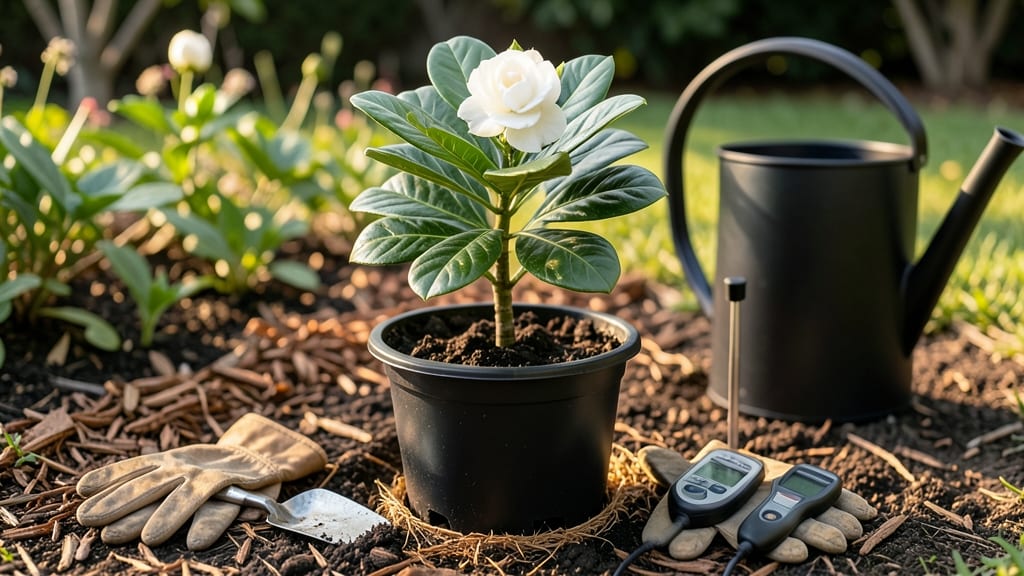
Plant gardenias in North Carolina between March and April after the last frost, when soil temperatures hit 60°F—this timing ensures strong root growth and vibrant blooms.
Gardenias in North Carolina reward gardeners with intoxicating fragrance—but timing is everything. Plant too early, and frost will strike; too late, and your blooms may never fully thrive.
With USDA zones 7a-8b, NC gardeners have a narrow window to get it right. Coastal areas can start slightly earlier, while mountain regions should wait until late April to avoid late frosts.
Below, I’ll break down the exact months for your region, how to prep soil for success, and the one mistake that kills gardenias before they even bloom.
Optimal planting months for gardenias in NC: avoiding frost & heat stress
North Carolina’s mild winters and humid summers create perfect conditions for gardenias—but only if you plant them at the right time. These fragrant shrubs thrive when planted after the last frost, when soil temperatures reach at least 60°F.
Planting too early risks frost damage, while waiting too long can stress young roots before summer heat sets in.
Most NC gardeners get the best results by planting gardenias in late March to early April. This window aligns with the average last frost date (around March 15) and gives plants 6-8 weeks of warm soil before summer’s peak heat.
Fall planting is possible but riskier, as cooler temperatures slow root establishment.
| Planting Window | Best Months | Soil Temp Requirement | Root Establishment Risk |
|---|---|---|---|
| Spring Planting | Late March - Early April | 60°F+ | Low (ideal conditions) |
| Early Spring Planting | February (coastal only) | 55°F+ (with frost protection) | Moderate (frost risk) |
| Fall Planting | Late September - Early October | 65°F+ | High (slow growth before winter) |
| Late Spring Planting | May (avoid peak heat) | 60°F+ | Moderate (heat stress risk) |
For coastal NC gardeners, planting as early as mid-February is sometimes possible, thanks to warmer microclimates. However, even coastal areas can experience late frosts, so always check your local USDA Zone 8a/8b frost dates.
Inland Piedmont and Mountain regions should wait until after April 1 to ensure frost-free conditions.
Soil temperature is just as critical as air temperature. Gardenias won’t thrive until the soil warms to 60°F. Use a soil thermometer to verify—cool soil slows root growth and delays blooming. If your soil is still chilly in March, consider container planting to warm the roots faster.
Fall planting is an option for hardy gardeners in NC’s Zone 8b areas, but it requires precise timing. Aim for late September to early October, giving roots 6-8 weeks to establish before winter. Mulch heavily to insulate roots, and avoid planting after October 15, as growth slows dramatically.
One common mistake is planting gardenias in early May, thinking summer heat is behind us. However, peak summer temperatures (often exceeding 90°F) can shock young plants. If you miss the spring window, opt for container gardening to control soil moisture and temperature during summer.
Pro tip: Acid-loving gardenias need well-draining, slightly acidic soil (pH 5.0-6.0). Before planting, amend your soil with peat moss or pine bark to create the ideal environment. Test your soil in early spring to adjust before transplanting.
Remember, gardenias planted at the right time will reward you with glossy leaves and fragrant blooms from June through September. The key is patience—rushing the process risks stunted growth or poor flowering. With the right timing, your gardenias will thrive for years with minimal stress.
How to choose the perfect time based on your NC region (Coastal vs. Piedmont vs. Mountains)
North Carolina’s three distinct regions—Coastal, Piedmont, and Mountains—each have unique frost dates and microclimates that dictate the best time to plant gardenias. Coastal areas like Wilmington enjoy earlier frost-free dates, while mountain regions like Asheville face late spring frosts that can delay planting until May.
Let’s break down the ideal windows for each zone to ensure your gardenias thrive.
For Coastal NC, aim to plant gardenias between late February and March, as frost typically retreats by early March. This early start gives your plants a head start before summer heat arrives.
In Piedmont areas like Raleigh or Greensboro, wait until mid-to-late March when soil warms to 60°F. Mountain regions like Boone or Waynesville should hold off until late April or early May, as late frosts can linger into April.
Urban gardeners in cities like Charlotte or Durham may experience warmer microclimates due to heat islands, allowing slightly earlier planting. However, rural areas often have cooler nights and should stick to the later regional windows.
Always check your local NC State Extension frost date maps to confirm your exact planting window.
Gardenias in Coastal NC face high humidity and salty air near the coast, which can stress plants if not acclimated. Use acid-loving soil amendments like peat moss to counteract alkalinity. In the Piedmont, where summers are hot and dry, prioritize morning watering to prevent leaf scorch.
Mountain gardeners should focus on well-draining soil to avoid root rot from cooler, wetter conditions.
If you’re unsure about your exact region’s frost dates, use the NC State Climate Office’s frost maps or ask your local nursery for guidance. They’ll know the microclimate nuances that can shift planting windows by weeks.
For example, a gardenia planted in February in Wilmington might thrive, while the same plant in Boone would risk frost damage until May.
Pro tip: Hardening off young gardenias for 7-10 days before planting—especially in Coastal NC—helps them adjust to outdoor conditions. This simple step can mean the difference between a flourishing shrub and a struggling transplant. 🌸