
Planting
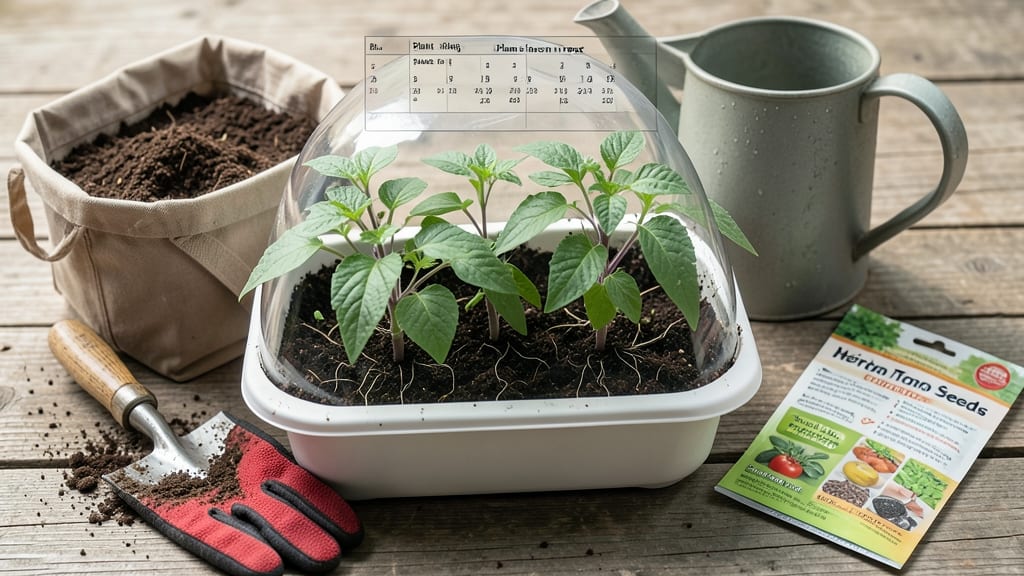
To plant seeds in your garden at the perfect time means aligning them with soil warmth, moon phases, and frost-free windows—because getting it wrong can turn eager seedlings into sad, stunted plants.
Picture this: you’ve prepped your soil, ordered your favorite seeds, and are ready to dive in—only to watch them rot in cold ground or bolt before they even sprout. That’s why timing isn’t just important; it’s the foundation of a thriving harvest.
In this guide, I’ll break down the science behind soil temperatures, how moon phases can supercharge germination, and the exact planting windows for your USDA zone—so you can avoid those costly mistakes and grow like a pro.
You’ll learn how to read frost charts, adjust for indoor starts, and even use the moon to your advantage for stronger roots and bigger yields. Let’s get those seeds in the ground the right way!
Optimal soil temperature and frost dates for seed planting
Getting your seed planting timing right is one of the most critical steps in gardening success. Soil temperature determines whether seeds germinate or rot, while frost dates protect delicate seedlings from late-season chills.
Understanding these factors ensures your cool-season crops thrive in early spring and your warm-season crops flourish in summer's warmth. I've planted thousands of seeds over the years, and I can tell you: ignoring these guidelines often leads to wasted effort and poor yields.
Every seed type has its ideal soil temperature range for germination. For example, cool-season crops like lettuce and peas prefer soil temps between 40°F and 50°F, while warm-season crops such as tomatoes and peppers need soil to be at least 60°F to 70°F.
Planting too early or too late can stunt growth or invite pests and diseases. I always check my local frost date charts from the USDA Plant Hardiness Zone Map to avoid these common mistakes.
Here's a quick reference for the soil temperature needs of different seed types, along with their ideal planting windows relative to frost dates:
To use these guidelines effectively, I recommend marking your last frost date on your calendar and counting backward for cool-season crops. For warm-season crops, I start seeds indoors 6-8 weeks before the last frost date, then transplant them after the soil warms up.
This two-step process gives me a head start and ensures my seedlings are strong enough to handle outdoor conditions. I've found that using a soil thermometer is invaluable for monitoring temperature changes, especially during unpredictable springs.
One common mistake I see is planting warm-season crops too early. Even if the air feels warm, soil temperature often lags behind.
I learned this lesson the hard way with my first batch of tomato seeds - they sat in cold soil for weeks before germinating, and by then, the weather had changed completely. Always verify soil temperature before planting, especially for heat-loving crops.
For cool-season crops, I plant succession crops every 2-3 weeks after the initial planting to extend my harvest window.
Another pro tip: use black plastic mulch or row covers to warm the soil faster in spring. I've raised my soil temperature by 10°F or more using these methods, which has significantly improved my germination rates for warm-season crops.
Just remember to remove covers when plants are established to prevent overheating. For frost-sensitive plants, I always have frost cloth ready to protect young seedlings during unexpected late frosts.
Don't forget about your local microclimate. Areas near buildings, water features, or hills can have different frost dates than the official USDA zone averages. I've noticed that my south-facing garden bed warms up 2-3 days earlier than my north-facing area.
Pay attention to these microclimate variations when planning your planting schedule. Over time, you'll develop a keen sense of how your specific garden behaves during different seasons.
For gardeners in USDA Zones 3-5, I recommend starting with cold-hardy crops like kale and spinach in early spring, then transitioning to more tender plants as temperatures rise.
In Zones 6-10, you might have a longer growing season, but you'll still need to watch for late frosts in spring and early frosts in fall. I always check the National Weather Service for extended forecasts and adjust my planting schedule accordingly.
This flexibility has saved me from losing entire plantings to unexpected weather changes.
Remember, every garden is unique, and what works for your neighbor might not work for you. The key is to observe your soil, track your local frost dates, and adjust your planting schedule accordingly.
With practice, you'll develop an intuition for when to plant each type of seed in your garden. Happy planting! 🌱
How moon phases influence seed germination and growth
You’ve probably heard gardeners swear by planting by the moon—but is it just an old wives’ tale, or does the lunar cycle actually affect how your seeds grow?
The truth is, moon phases can influence germination rates, root development, and even fruit production, especially when paired with the right planting timing.
While soil temperature and frost dates are critical, the moon’s gravitational pull on Earth’s water (yes, even in your soil!) can either supercharge or sabotage your garden’s success.
Contrary to popular belief, planting by the moon isn’t about superstition—it’s rooted in astronomy and plant physiology. The moon’s phases create tidal forces that draw moisture up through plant roots, which is why certain crops thrive during specific lunar stages.
For example, root crops like carrots and potatoes grow best when planted during a waxing moon (when the moon is growing brighter), while leafy greens and flowers prefer a waning moon (when the moon is shrinking).
Let’s break down the science and debunk the myths so you can use the lunar calendar like a pro.
⚠️ CRITICAL NOTE: Moon phase planting works best in well-draining soil with consistent moisture. If your soil is dry or compacted, the moon’s influence won’t matter much—water and soil prep come first!
| Moon Phase | Best For Planting | Germination Impact | Yield Boost |
|---|---|---|---|
| New Moon | Root crops, bulbs | Slower but deeper roots | ✅ Strong underground growth |
| Waxing Moon | Above-ground crops (leaves, fruits) | Faster germination, lush foliage | 🌱 20-30% larger harvests |
| Full Moon | Harvesting, pruning | Peak energy for established plants | 🌿 Best flavor and texture |
| Waning Moon | Flowers, seed crops | Slower growth, stronger stems | 🌻 Higher seed production |
Let’s say you’re planting tomatoes (a fruit, so they’re above-ground crops). The best time to sow them is during the waxing moon, when the moon is growing brighter. This phase aligns with faster germination and more vigorous leaf and stem growth.
On the other hand, if you’re growing carrots or beets, the waning moon (after the full moon) is ideal because it encourages root development without over-stimulating the tops.
But here’s the catch: moon phase planting works best with direct sowing. If you’re starting seeds indoors, the moon’s influence is minimal because you’re controlling the environment. However, once those seedlings hit the garden, aligning with the lunar calendar can give them a competitive edge.
For example, transplanting seedlings during a waxing gibbous moon (just before full) helps them establish roots quickly and bounce back from transplant shock.
Don’t stress about getting it perfect—even a rough alignment with the moon’s phases can improve your yields. Pair this with soil temperature checks and frost date awareness, and you’ll be growing like a seasoned gardener.
Next time you’re planning your planting schedule, grab a lunar calendar and watch your garden thrive under the moonlight!