
Planting
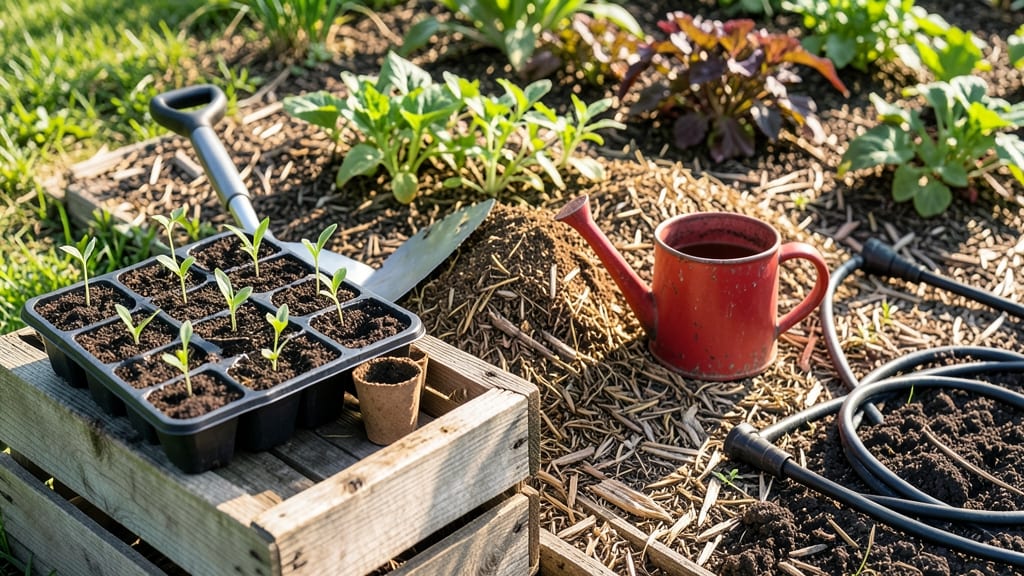
Planting a vegetable garden in Oklahoma at the right time means the difference between a thriving harvest and a total flop — timing is everything in USDA zones 6b-7a.
Oklahoma’s unpredictable weather can make or break your vegetable garden—planting at the wrong time means stunted growth or total failure, while perfect timing unlocks bumper crops.
Cool-season vegetables like spinach and broccoli need to go in the ground 6-8 weeks before the last frost, while tomatoes and peppers wait until soil warms to 60°F or higher. Get it wrong, and you’ll either lose seedlings to frost or watch them wilt in the heat.
Below, I break down the exact planting windows for every Oklahoma zone, plus pro tips for extending your growing season with row covers and succession planting to keep your garden productive from spring through fall.
Oklahoma planting zones explained: when to start cool vs warm season vegetables
Oklahoma spans USDA Zones 6a through 7b, meaning your planting schedule should shift slightly depending on whether you're in the cooler northern panhandle or the warmer southern regions.
These zones determine your average last frost dates and heat tolerance thresholds for vegetables, which are critical for timing your cool-season and warm-season crops perfectly.
Cool-season vegetables like spinach, broccoli, and peas thrive in temperatures between 40°F and 75°F and can even tolerate light frosts. Warm-season crops such as tomatoes, peppers, and squash, however, need soil temperatures above 60°F and won’t survive frost.
Getting these timings right means the difference between a thriving garden and a failed harvest.
Here’s your zone-by-zone planting guide for Oklahoma, including exact dates for starting cool-season crops in early spring and fall, and warm-season crops in late spring. Use these as your baseline, then adjust based on your local microclimate.
🌱
| Zone | Avg Last Frost | Cool-Season Start | Warm-Season Start | Fall Planting Window |
|---|---|---|---|---|
| 6a (Northern Panhandle) | April 15 | March 1 - April 15 | May 1 - May 15 | August 15 - September 15 |
| 6b (North-Central) | April 1 | February 28 - April 1 | April 20 - May 1 | August 1 - September 1 |
| 7a (Central/Southeast) | March 15 | February 15 - March 15 | April 1 - April 15 | July 20 - August 15 |
| 7b (Southwest) | March 1 | January 31 - March 1 | March 15 - March 31 | July 1 - July 31 |
For cool-season crops, start seeds indoors 4-6 weeks before your last frost date or sow directly into the garden as soon as soil temperatures reach 40°F. In Zone 6a, that means late February for early varieties, while Zone 7b gardeners can begin as early as January.
Use row covers to extend your growing season if needed.
Warm-season vegetables, on the other hand, require soil temperatures above 60°F to germinate. In Zone 6a, wait until May 1-15 to plant tomatoes and peppers, while Zone 7b gardeners can start as early as March 15.
Always use a soil thermometer to confirm readiness—cool soil will stunt seedling growth.
Fall planting is another critical window. In Zone 6a, you can still sow cool-season crops like kale and radishes until September 15, while Zone 7b gardeners have until July 31 for early varieties. Use succession planting to stagger harvests and avoid bolting in heat-sensitive crops like lettuce.
Pro tip: Check the Oklahoma Mesonet for real-time soil and air temperatures in your area. Their data can help you fine-tune planting dates based on microclimates in your garden.
For example, a south-facing bed warms up faster than a north-facing one, so you might plant warm-season crops 1-2 weeks earlier there.
🌿
Top 5 mistakes Oklahoma gardeners make with planting timing (and how to avoid them)
Oklahoma’s unpredictable spring frosts and scorching summer heat create a narrow window for planting vegetables. Many gardeners rush into the ground too early or wait too long, sacrificing yields. I’ve seen firsthand how misjudging soil temperature can turn a promising garden into a sad memory.
One common mistake is planting warm-season crops like tomatoes and peppers too soon. When soil stays below 60°F, seeds rot or seedlings fail to thrive. Meanwhile, cool-season crops like lettuce and peas planted too late bolt prematurely, leaving you with bitter greens instead of tender harvests.
Another pitfall is ignoring fall planting deadlines. Many assume they have until October to sow, but frost can sneak in by mid-October in northern Oklahoma. Without protection, your broccoli or kale won’t mature before winter sets in.
Mistake: Assuming "spring" means March 1st or planting fall crops in September. Reality: Oklahoma’s last frost dates range from March 15-30 (north) to April 15-30 (south). Warm-season crops need soil at 60°F+—test with a soil thermometer!
Pro Tip: Use row covers to extend cool-season harvests by 3-4 weeks or cold frames to push fall planting into November.
Overlooking succession planting is another mistake. Many gardeners sow all their seeds at once, leading to a glut of harvests followed by empty rows. Instead, stagger plantings every 2-3 weeks for continuous yields. For example, plant bush beans in May, June, and July to enjoy fresh pods all summer.
Skipping soil preparation in fall or early spring also backfires. Cold, compacted soil slows root growth and invites pests. Amend your beds with compost or aged manure at least 4-6 weeks before planting. A simple pH test (aim for 6.0-7.0) can prevent nutrient deficiencies.
Finally, don’t underestimate heat stress on summer crops. When temperatures exceed 90°F, tomatoes and peppers drop flowers. Provide shade cloth (30-50%) or mulch heavily to keep roots cool. Drip irrigation in the early morning prevents leaf scorch and fungal diseases.
By avoiding these timing traps, you’ll transform your Oklahoma garden from hit-or-miss to consistently productive. Start with soil tests, track frost dates, and use season extenders—your future self (and your dinner plate) will thank you. 🌱