
Plants
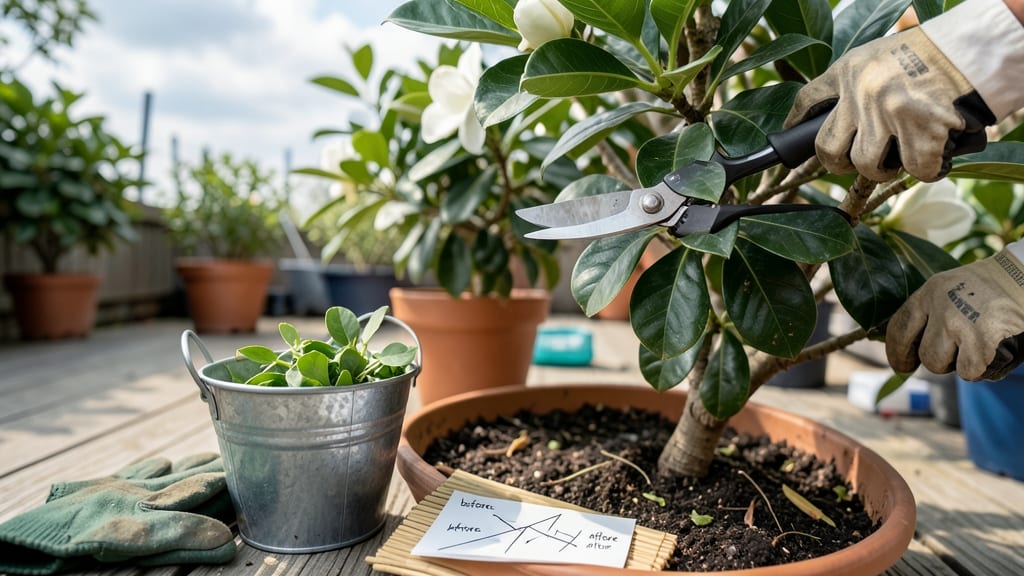
To prune gardenia plants at the right time means catching them just as they wake from dormancy in late winter — the critical window between February and March when new growth is about to burst.
Picture this: you’ve waited all year for your 🌸 gardenia to burst into fragrant bloom, only to realize you pruned too soon and sacrificed next season’s flowers. That’s the risk when timing is off, and it’s why so many gardeners hesitate to prune at all.
But here’s the secret: late winter pruning isn’t just about trimming back dead wood—it’s about shaping the plant for healthier growth and more abundant blooms. In USDA Zone 7b, that means acting before buds swell but after the coldest days have passed.
Below, I’ll walk you through the exact steps to prune your gardenia without harming its delicate blooms, plus how to fix mistakes if you’ve already gone wrong. Let’s get those fragrant flowers back on track!
The optimal late winter pruning window for gardenia plants
Late winter is the golden window for pruning gardenias, but timing can make or break your plant’s blooming potential. When done correctly, you’ll encourage lush foliage and fragrant blooms—but prune too early, and you risk damaging next season’s flowers.
The key lies in understanding your gardenia’s dormancy cycle and your local climate zone.
Gardenia plants enter dormancy in late fall, conserving energy until warmer temperatures signal new growth. Pruning during this resting phase minimizes stress and allows the plant to redirect energy toward stronger stems and healthier blooms.
However, the exact timing varies by region—temperate zones, subtropical climates, and tropical areas all require slightly different approaches.
To identify the perfect pruning window, look for these signs: no new leaves, bare branches, and dormant buds. Avoid pruning if you spot tender green shoots, as this indicates the plant has already begun its active growth cycle.
The goal is to prune just before—but not during—new growth emerges.
| Climate Zone | Ideal Pruning Month | Key Signs to Prune | Avoid Pruning If... |
|---|---|---|---|
| Temperate (USDA Zones 7-9) | Late February - Early March | Dormant buds, no green shoots, last frost date passed | New growth appears or frost is forecasted |
| Subtropical (USDA Zones 10-11) | January - Early February | Leaves turn yellow, minimal growth, mild winter days | Heavy rains or sudden cold snaps occur |
| Tropical (USDA Zone 12+) | December - January | Slower growth, fewer blooms, dry season begins | Monsoon season or heavy rainfall is imminent |
For gardeners in temperate zones (like USDA Zones 7-9), aim to prune in late February to early March, just as the last frost date approaches. This timing ensures your gardenia isn’t stressed by cold snaps while still benefiting from the dormancy period.
In subtropical regions (Zones 10-11), prune earlier, during January or February, when the plant shows signs of slowing growth.
If you’re in a tropical climate (Zone 12+), the window shifts to December or January, aligning with the start of the dry season. Pruning during this time reduces the risk of fungal diseases that thrive in humid conditions.
Always check for dormant buds and minimal new growth—these are your cues that the plant is ready.
One common mistake is pruning too late, which can delay blooming or even damage flower buds that form later in the season. If you miss the late winter window, wait until early spring (March in temperate zones) but be prepared for slightly reduced blooms.
The later you prune, the more energy the plant must expend to recover before flowering.
To further refine your timing, monitor your gardenia’s growth patterns over a few years. Note when buds first appear and adjust your pruning schedule accordingly. For example, if your gardenia blooms earlier than average, prune slightly later in the season to avoid cutting off potential flowers.
Consistency is key—stick to the same timing each year for the best results.
Finally, remember that gardenias are sensitive to stress, so prune with precision. Use clean, sharp tools to make 45-degree cuts just above a leaf node or bud.
This encourages healthy regrowth and minimizes the risk of disease. With the right timing and technique, your gardenia will reward you with abundant, fragrant blooms all season long.
🌸
Step-by-step late winter pruning guide for healthy gardenias
Late winter is the perfect time to prune your gardenia plants because the plant is dormant yet about to wake up. This timing ensures you remove dead or weak branches without disrupting next season’s fragrant blooms.
Think of it as giving your gardenia a fresh start before the growing season kicks in.
Before you grab your shears, gather the right pruning tools: sharp bypass pruners for clean cuts, sterilized alcohol wipes to disinfect tools, and a pair of gloves to protect your hands from thorns. Sterilizing tools prevents spreading disease between cuts—this is non-negotiable for gardenia health.
- 1 Identify dead or diseased branches by looking for brown, brittle stems or black spots. These should be removed first to improve airflow and plant health.
- 2 Shape the plant by trimming back overgrown branches to encourage bushier growth. Cut just above a leaf node or outward-facing bud to promote new shoots.
- 3 Remove crossing branches to reduce congestion and improve light penetration. This step is key for preventing fungal issues and encouraging vibrant blooms.
- 4 Disinfect tools between cuts with rubbing alcohol to prevent the spread of bacterial or fungal infections. This is especially important for gardenias, which are prone to root rot.
- 5 Apply a balanced fertilizer (like 6-10-10) after pruning to support new growth. Focus on the root zone and water deeply to help the plant recover.
After pruning, your gardenia will need extra care to bounce back strong. Water deeply but avoid overwatering, as soggy soil can lead to root rot. Mulch around the base with organic matter like compost to retain moisture and protect roots from temperature swings.
Keep an eye out for new growth in the coming weeks—this is a sign your pruning was successful! If you notice yellowing leaves or wilting, it may indicate stress from over-pruning. In that case, reduce watering slightly and monitor the plant closely.
With the right timing and technique, your gardenia will reward you with lush foliage and abundant blooms all season long. The key is patience and precision—just like any great gardening task! 🌸