
Tools
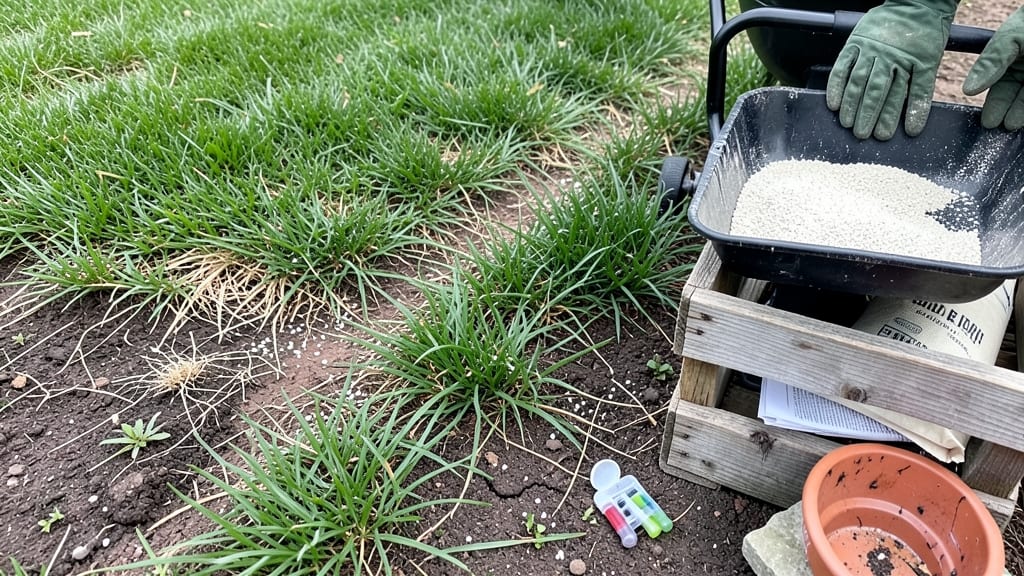
Putting lime in your garden at the right time can transform your soil from acidic to ideal in just a few months — but timing it wrong could leave your plants struggling for years.
Struggling with yellowing leaves, stunted growth, or plants that just won’t thrive? Your soil might be too acidic—and adding lime at the right time could be the game-changer your garden needs.
Most gardeners swear by applying lime in late fall or early spring, when the soil is cool and plants aren’t actively growing.
This gives the lime time to work its magic before the next planting season, ensuring your 🌱 Garden Soil (General) has the perfect balance for everything from vegetables to flowers.
Below, I’ll break down the best times to apply lime based on your climate zone, how to test your soil’s pH, and the simple steps to get it just right—without overdoing it.
Best times of year to apply lime for optimal soil pH balance
If your garden soil feels like a lemonade stand in July—too sour for most plants—lime might be your secret weapon. But timing is everything. Applying lime at the wrong time can burn plant roots or wash away before it works.
The best windows are early spring (March–April) or late fall (September–October), when soil is cool and plants aren’t actively growing. This gives lime time to neutralize acidity before the busy growing season kicks in.
Think of lime as a slow-release fertilizer for pH. When applied in fall, it has months to integrate into the soil over winter, while spring application ensures your garden starts the season with balanced soil. Northern climates (USDA Zones 3–6) lean toward fall application to avoid winter washout, while southern regions (Zones 7–10) often prefer early spring to skip the rainy season.
Always check your local frost dates—you want lime in the ground at least 2–3 months before planting.
Why not summer? Heat and frequent watering can cause lime to leach away before it benefits your plants. Plus, active root growth means any imbalance could stress your garden immediately. Summer is for organic matter like compost, not soil pH adjustments. Save lime for the off-season when roots are dormant and soil is stable.
| Season | Best Time to Apply | Why It Works | Climate Notes |
|---|---|---|---|
| Fall | September–October | Lime integrates over winter; no active roots to burn | Ideal for Zones 3–6; avoid if heavy rain predicted |
| Early Spring | March–April | Prepares soil before planting; roots absorb slowly | Best for Zones 7–10; apply 2–3 months before planting |
| Summer | Avoid | Risk of leaching; active roots may burn | Use organic matter instead; focus on mulching |
| Winter | Avoid | Soil is dormant; lime won’t integrate effectively | Wait for spring or fall; test soil first |
Your soil type also plays a role. Clay soils hold lime longer, so you can apply it slightly later in fall. Sandy soils, however, release lime quickly—opt for early spring to prevent washout. Always test your soil pH every 2–3 years (or annually if you notice plant stress).
A home test kit (like LaMotte or Luster Leaf) costs under $20 and gives you instant results. Aim for a pH of 6.0–7.0 for most vegetables and flowers; blueberries and azaleas thrive at 4.5–5.5 and shouldn’t get lime.
Pro tip: If you’re planting perennials or shrubs, apply lime 6 months before planting to let it fully integrate. For annual vegetables, a light application in early spring is enough.
Always work lime into the top 6 inches of soil with a garden fork or tiller—never just sprinkle it on top. This ensures even distribution and prevents surface crusting that can block water and air.
Regional differences matter. In humid southern climates, lime can break down faster due to microbial activity, so split applications (half in fall, half in spring) work best. In dry western regions, fall application is ideal to take advantage of winter rains.
Always water thoroughly after applying lime to help it settle into the soil. Avoid heavy irrigation for 48 hours afterward to give lime time to react.
What about container gardens? Lime works here too, but use pelletized lime (like AgLime) to control dosage. Mix it into the top 2–3 inches of potting soil and water lightly.
For acid-loving plants in containers (like gardenias or hydrangeas), skip lime entirely and use sulfur or peat moss to lower pH instead. Always check your plant tags—some varieties are extremely sensitive to pH changes.
Finally, don’t overdo it. A pH jump of more than 1 point per year can harm beneficial microbes and lock out nutrients.
If your soil tests at 5.0, aim to raise it to 6.0 over 2 years, not all at once. Retest every 6 months until you hit your target. Patience pays off—your plants will thank you with vibrant growth and fewer nutrient deficiencies.
How to test and adjust soil pH before adding lime: a step-by-step guide
Before adding lime to your garden, you must test your soil’s pH to avoid overcorrecting or wasting money. A simple DIY kit or lab test will tell you whether your soil is too acidic (below 6.0) or already balanced (around 6.0–7.0).
For most vegetables and flowers, the ideal range is 6.0–7.0, while acid-loving plants like blueberries and azaleas thrive at 4.5–5.5.
Home test kits are affordable and easy to use—just collect a soil sample, mix it with distilled water, and compare the color to the kit’s chart. For precise results, send a sample to a local cooperative extension office or soil lab.
Lab tests also analyze nutrients like nitrogen and phosphorus, giving you a full soil health report.
Once you know your pH, calculate how much lime to add. Sandy soil needs more lime (up to 50 lbs per 1,000 sq ft), while clay soil holds lime better (as little as 10–20 lbs per 1,000 sq ft).
Use a lime calculator or follow package instructions for your specific soil type.
⚠️ callout warning⚠️ When NOT to Put Lime in Your Garden
Adding lime at the wrong time can burn plant roots or disrupt nutrient uptake. Avoid applying lime:
- During active growing seasons (spring/summer)
- When soil is frozen or waterlogged
- If your soil is already alkaline (pH > 7.0)
Lime takes 2–3 months to adjust pH—plan applications 3 months before planting for best results.
For blueberries or rhododendrons, aim for a pH of 4.5–5.5—these plants hate lime!
Instead, use sulfur or peat moss to lower pH. Most garden plants, however, benefit from a slightly acidic to neutral pH. After spreading lime evenly, water it in and retest soil pH in 3 months to check progress.
Remember, lime doesn’t work overnight. Reapply every 1–2 years for sandy soils or every 3–4 years for clay soils. Keep a soil journal to track pH changes and adjust future applications accordingly. Patience and precision are key to a thriving garden!
For container gardens, mix lime directly into the potting soil at a rate of 1–2 tablespoons per gallon, then water thoroughly. Always wear gloves and a mask when handling lime to protect your skin and lungs.