
Tools
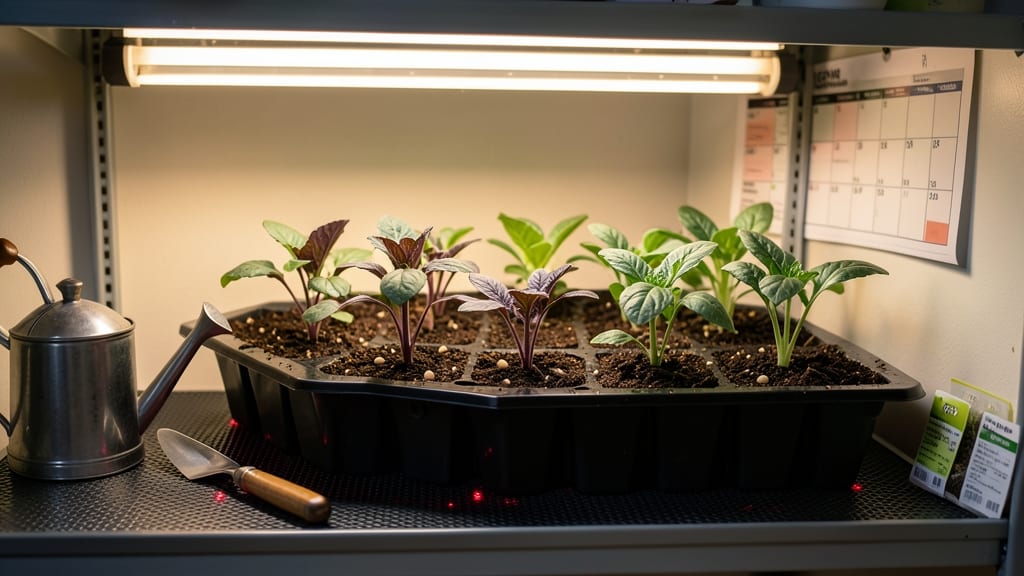
Starting garden seeds at the right time is the difference between lush, thriving plants and a season of disappointment—especially when you’re balancing frost dates and fast-growing varieties.
Picture this: you’ve spent weeks nurturing seedlings, only to watch them bolt in the heat or freeze before they even sprout. The truth? Timing isn’t just about guessing—it’s a science, and your hardiness zone is the first clue.
Whether you’re growing cool-loving greens or heat-hungry peppers, knowing exactly when to start can mean the difference between a harvest and a wasted effort.
In this guide, I’ll break down zone-specific countdowns for fast germination, from indoor starts to outdoor sowing, so you can avoid common mistakes like starting too early (and ending up with leggy, weak seedlings) or too late (and missing your growing window entirely).
You’ll also learn how to adjust for early or late frosts, extend your season with simple tools, and troubleshoot slow starts—so your General Garden Seeds 🌱 get the best possible head start.
Zone-by-Zone seed starting countdowns for optimal germination
Getting your seed starting timing right is like hitting a moving target—your USDA hardiness zone dictates when to begin, but crop type and germination speed add layers of complexity. Cool-season crops like lettuce and peas can handle chilly soil, while tomatoes and peppers need warm conditions to thrive.
Even a 1-2 week miscalculation can mean stunted seedlings or missed harvests.
Most gardeners use the last frost date as their anchor point, but the real magic happens in the 6-8 weeks before transplanting for warm-season crops.
For example, if your last frost is May 15, you’ll need to start tomato seeds indoors around March 15 to give them time to grow sturdy enough for outdoor planting. Cool-season crops, however, can often be sown directly into the garden as soon as soil is workable.
In USDA Zone 3-4, where winters are brutal, I start warm-season seeds indoors by early March to avoid transplant shock. If you’re in Zone 9-10, you can often sow outdoor directly in late winter—just cover seedlings with frost cloth if nights dip below 50°F.
The key is matching your seed’s days-to-maturity with your frost-free window.
For cool-season crops, timing is less critical. You can sow spinach or kale as soon as soil reaches 40°F, even in Zone 5.
But for warm-season crops, I recommend using a seed-starting heat mat ($20-$30) to speed up germination—especially for slow starters like eggplants or basil.
Outdoor sowing has its perks, too. Direct-sown carrots or beans often perform better because they avoid the transplant shock that indoor seedlings sometimes face. However, for delicate seedlings like tomatoes, I harden them off for 7-10 days before moving them outside.
This means gradually exposing them to outdoor conditions (wind, sun, temperature swings) to toughen them up.
Pro tip: Use a garden journal to track your seed-starting dates year after year. Note which crops thrive with early starts and which benefit from later plantings.
For example, in Zone 7, I’ve found that peppers started in late February outperform those sown in early January—they simply don’t need the extra time to mature before summer heat arrives.
Don’t forget about succession planting! For crops like lettuce
How to adjust seed starting times for early vs. late harvests
Want to stretch your growing season and control when your plants mature? Adjusting seed starting times is the key—whether you're aiming for early harvests to beat the heat or late-season crops to maximize fall yields.
The trick lies in understanding how to calculate backward from frost dates and use tools like heat mats or cold frames to fine-tune germination.
For example, in Zone 6a, starting tomatoes 6-8 weeks before last frost ensures they’re ready to transplant by early May, but if you want a late harvest, you might delay by 2-3 weeks.
Fast-germinating seeds like radishes (5-10 days) give you flexibility to sow closer to frost dates, while slow starters like peppers (14-21 days) need an earlier head start. By adjusting your schedule, you can avoid the frustration of seedlings outgrowing their containers or bolting before they’re ready.
Think of it like a gardening countdown: every day counts when you’re racing against frost or heat waves.
Here’s how to master it—step by step:
- 📅 Step 1: Know Your Frost Dates
Check your last spring frost and first fall frost for your zone. Use these as your anchor points for all calculations. - 🌱 Step 2: Calculate Backward
Subtract the days to maturity (from seed packets) and weeks to transplant from your last frost date. Example: 60-day tomatoes in Zone 6a = start indoors 8 weeks before May 15. - ⏱️ Step 3: Adjust for Speed
Slow germinators (e.g., carrots, onions) need 2-3 weeks earlier starts. Fast germinators (e.g., lettuce, radishes) can wait until 2-4 weeks before last frost. - 🔥 Step 4: Use Tools to Shift Timing
Add heat mats to start seeds 2 weeks earlier or use cold frames to extend fall planting by 3-4 weeks. - 🌿 Step 5: Succession Plant
For continuous harvests, sow new seeds every 2 weeks (e.g., bush beans, spinach) to replace bolting plants.
Let’s say you’re in Zone 7b and want a late harvest of zucchini (45 days to maturity). Start seeds indoors 3 weeks before your last frost (around March 15) and transplant 2 weeks later.
If you’re aiming for a fall crop, delay starting by 3 weeks and use a cold frame to protect seedlings until late September. This method works for any crop—just tweak the timing based on your goals.
Pro tip: Keep a gardening journal to track which adjustments worked best in your microclimate. For instance, if your peppers always struggle to mature by frost, try starting them 4 weeks earlier with a grow light to boost growth speed.
Over time, you’ll develop a system that turns your garden into a harvest machine, no matter the season.
Don’t let frost dates limit your dreams—with these strategies, you can control your harvest timeline and enjoy fresh produce from spring to fall. The only limit is your creativity (and maybe your freezer space for extras!). 🌱