
Watering
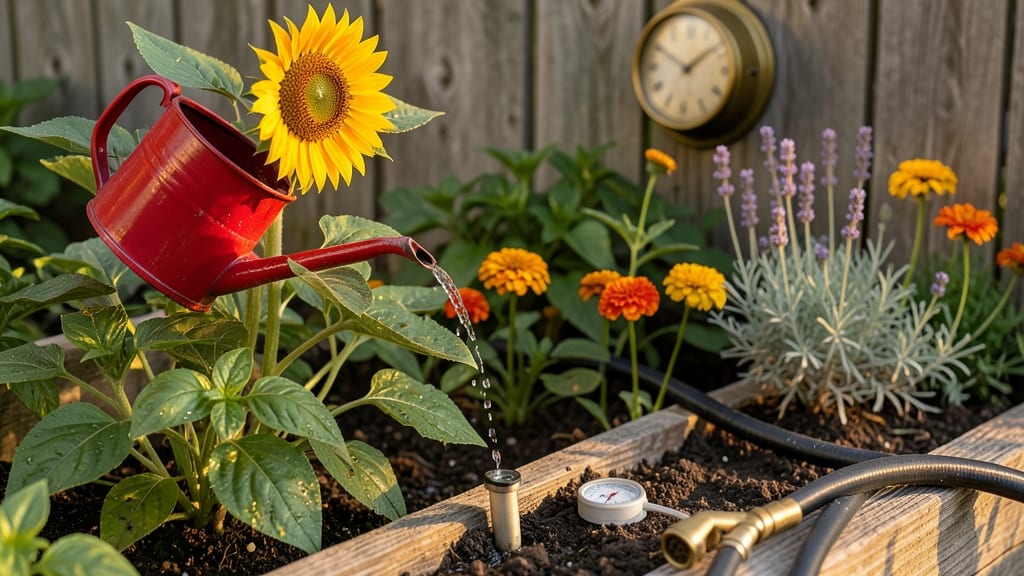
Watering your garden in summer at the wrong time can waste half your water and stress your plants—so timing is everything, not just how much you pour.
Summer heat can turn your lush garden into a crispy disaster if you water at the wrong time—but timing isn’t just about when you water, it’s about how you do it to maximize plant health and conserve water.
Most gardeners think early morning is the only option, but evening watering can work in cooler climates—if you follow the right rules. The key is matching your schedule to your plants’ needs, your soil type, and even the weather forecast.
Below, I’ll break down the science behind morning vs. evening watering, how to adjust for drought or humidity, and the 5 signs your garden is thirsty—or drowning.


Best times to water plants in summer: morning vs. evening science
Summer heat can turn your garden into a battleground between thirsty roots and scorching sun—but the timing of watering makes all the difference. Watering at the wrong time wastes water, stresses plants, and even invites fungal diseases.
The science behind morning vs. evening watering reveals why most experts recommend sunrise as the golden hour for hydration.
When you water in the early morning (before 10 AM), you give plants a full day to absorb moisture while minimizing evaporation losses. This method also keeps foliage dry, reducing the risk of powdery mildew and other fungal infections that thrive in damp conditions.
Think of it like giving your plants a refreshing cool-down drink before the heat of the day sets in.
Evening watering, on the other hand, creates a humidity trap that lingers overnight. While this might seem beneficial, it actually encourages fungal growth and can lead to root rot in susceptible plants.
The cooler night temperatures slow evaporation, but the excess moisture doesn’t have time to penetrate the soil before darkness falls, leaving plants vulnerable to stress.
Plant biology plays a key role here. Most plants have stomata (tiny pores) that open during the day to absorb CO₂ and release oxygen. When you water in the morning, these stomata can stay open longer, allowing for better photosynthesis and growth. Evening watering, however, forces plants to "breathe in" moisture they can’t use immediately, leading to wasted resources.
Here’s the science-backed breakdown of why morning watering wins in summer:
| Factor | Morning Watering (6-10 AM) | Evening Watering (6-8 PM) |
|---|---|---|
| Evaporation Loss | Low (cooler temps, less wind) | High (humidity traps moisture overnight) |
| Fungal Risk | Minimal (foliage dries quickly) | High (damp leaves overnight) |
| Root Absorption | Optimal (full day to absorb water) | Poor (limited time before nightfall) |
| Water Waste | Minimal (60-70% efficiency) | High (30-40% lost to evaporation) |
| Best For | Vegetables, flowers, and most annuals | Drought-tolerant plants (e.g., succulents) in extreme heat |
For container gardens, morning watering is especially critical because pots dry out faster. A quick check with your finger—if the top inch of soil feels dry, it’s time to water.
Pro tip: Use a moisture meter for accuracy, especially for herbs like basil or tomatoes, which hate soggy roots.
That said, there are exceptions. In desert climates with extreme daytime heat (above 90°F), some gardeners opt for late afternoon watering (after 4 PM) to give plants a midday reprieve.
However, this requires monitoring for pests like slugs, which thrive in damp conditions. Always prioritize deep watering over frequent shallow sessions to encourage strong root growth.
One common myth is that watering at night "cools" plants, but this is a misconception. Plants don’t sweat like humans—they absorb water through their roots. Instead, focus on mulching with straw or wood chips to retain moisture and regulate soil temperature.
A 2-3 inch layer of mulch can reduce water needs by up to 30% while keeping roots cool.
If you must water in the evening (e.g., due to a busy schedule), limit it to drought-resistant plants like lavender, rosemary, or cacti. Even then, avoid overhead watering—use drip irrigation or soaker hoses to deliver water directly to the soil. This minimizes waste and keeps foliage dry, reducing disease risks.
Ultimately, the best time to water your garden in summer is early morning, but flexibility depends on your plants and climate. Pay attention to leaf wilting, soil moisture, and weather forecasts to adjust your schedule.
With the right timing, you’ll conserve water, boost plant health, and enjoy a thriving garden all season long. 🌱
How to adjust your watering schedule by plant type and climate
Not all plants drink the same way—your succulents and roses have completely different thirst levels, and your climate zone dictates how often you should water. In desert regions, I water my cacti every 10 days, while my tropical ferns in Florida need daily misting.
The trick is understanding your plant types and adjusting for humidity, soil drainage, and even your local heat index.
Start by grouping your plants into categories: succulents, vegetables, flowers, and trees. Each group has unique needs—succulents store water, while leafy greens like spinach need consistent moisture.
Then, factor in your local climate: high humidity in the Southeast means less frequent watering, while dry air in the Southwest demands more attention to soil moisture.
Here’s how I tailor my watering schedule based on plant type and climate—adjust these guidelines to match your garden’s specific conditions:
| Plant Type | Best Watering Time | Frequency (Summer) | Climate Adjustments |
|---|---|---|---|
| Succulents/Cacti | Morning (6-8 AM) | Every 7-10 days | Desert: Reduce to every 14 days; Humid: Increase to every 5-7 days |
| Vegetables (Tomatoes, Peppers) | Early Morning (5-7 AM) | Every 2-3 days (deep watering) | Hot climates: Daily watering; Cool: Every 4-5 days |
| Flowers (Roses, Petunias) | Morning or Evening (before 8 PM) | Every 1-2 days | Humid: Reduce to every 2-3 days; Dry: Increase to daily |
| Trees (Young Fruit Trees) | Deep watering (6-8 AM) | Every 5-7 days | Desert: Every 10-14 days; Tropical: Every 3-4 days |
| Herbs (Basil, Mint) | Morning (6-8 AM) | Every 1-2 days | Hot: Daily; Cool: Every 3-4 days |
For succulents and cacti, I avoid watering in the evening to prevent rot—these plants thrive on neglect and store water in their leaves.
In contrast, leafy vegetables like lettuce and spinach need consistent moisture, so I water them deeply in the morning to prevent bolting (premature flowering) caused by stress. Tropical plants, like hibiscus or bird-of-paradise, often need evening watering in humid climates to mimic their natural rain cycles.
Your soil type also plays a huge role. Sandy soil drains quickly, so I water more frequently but shallowly, while clay soil holds moisture longer, requiring deeper but less frequent watering. Use a soil moisture meter to check the top 2 inches of soil—if it’s dry, it’s time to water.
In extreme heat (above 90°F), I increase watering by 30-50% and mulch heavily to retain moisture.
Finally, don’t forget to monitor your plants for signs of overwatering (yellow leaves, mold) or underwatering (wilting, crispy edges). Adjust your schedule weekly based on weather forecasts—if rain is predicted, skip your watering day.
With these adjustments, your garden will stay hydrated, healthy, and stress-free all summer long. 🌱