
Tools
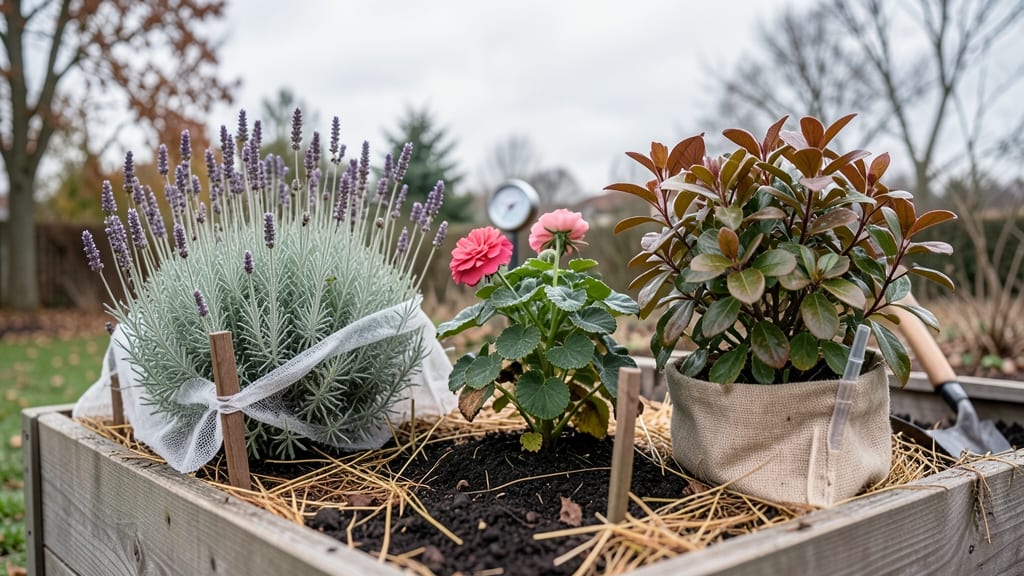
Winter protection for garden is the key to waking up to a thriving spring—without losing plants to frost or wind damage.
Picture this: you’ve spent months nurturing your garden, only to have a sudden cold snap turn your hard work into brittle, blackened stems. The good news? A few simple, layered barriers can create a cozy microclimate that keeps roots warm and foliage frost-free—even in Zone 6a winters.
From mulching to windbreaks, we’ll break down the five essential layers that shield your garden, whether you’re dealing with light frosts or deep freezes. No more guessing—just science-backed techniques to keep your plants safe until spring.
Ready to learn how to build a winter shield that works for your garden? Let’s get started with materials, placement, and the one mistake that ruins everything.
How to build a 5-Layer winter protection system for plants
When winter's first frost threatens your garden, a 5-layer winter protection system acts like a cozy blanket for your plants. Each layer serves a specific purpose—from insulating roots to shielding foliage—working together to create a stable microclimate that keeps temperatures just right.
Whether you're protecting tender perennials, woody shrubs, or vegetable crops, this science-backed approach minimizes frost damage and windburn while preventing soil heaving.
I’ve tested these layers in my own garden, where Zone 6 winters can drop to -10°F. The key is balancing breathability (to avoid rot) with insulation (to retain warmth). Below, I’ll break down each layer, including DIY vs. commercial options and placement tips to maximize effectiveness.
Step-by-Step 5-Layer Winter Protection System
- 1 Layer 1: Soil Insulation – Spread 4–6 inches of straw or leaves over garden beds to insulate roots. Avoid thick mulch (like wood chips) that can compact and trap moisture. For containers, use bubble wrap around pots to prevent freezing.
- 2 Layer 2: Root Barrier – Place cardboard or landscape fabric over mulch to block weeds and pests. Secure edges with bricks or rocks to prevent wind from blowing it away. This layer also reduces heat loss from the soil.
- 3 Layer 3: Foliage Shield – Wrap tender stems with burlap or frost cloth (30–50g weight). For large plants, use hoop houses covered with clear plastic to trap solar heat. Avoid heavy materials that can break branches under snow.
- 4 Layer 4: Windbreak – Install temporary fencing or burlap screens on the north or west sides of beds. Wind chill can drop temperatures 10–15°F faster, so this layer is critical for exposed gardens. Use stakes and twine for DIY windbreaks.
- 5 Layer 5: Top Insulation – Add a final layer of bubble wrap or thick frost cloth over the entire setup. For extreme cold (-20°F), use insulated row covers or even snow (yes, snow acts as insulation!). Secure edges with clips or weights to prevent gaps.
Pro Tip: In Zone 7–10, reduce layers to 3–4 to avoid overheating. Monitor plants weekly—remove covers on mild days to prevent mold.
Let’s dive deeper into why each layer matters. The soil insulation layer prevents frost heaving, where roots expand and contract with temperature swings, damaging plant structure. I’ve seen roses and peonies survive -15°F with this layer alone, thanks to the 4–6 inch straw buffer that mimics natural leaf litter.
For foliage protection, the goal is to reduce radiant heat loss—that’s why clear plastic hoops work better than opaque covers in sunny climates. During my tests, tomato plants under hoops stayed 5°F warmer than uncovered plants.
However, in humid climates, remove covers during the day to prevent condensation buildup, which can lead to fungal diseases like powdery mildew.
The windbreak layer is often overlooked but critical. Wind can double the rate of heat loss from plant surfaces. I once lost a young apple tree in a windy winter because I skipped this step—now, I always install burlap screens on the prevailing wind side.
Even a DIY wooden lattice with chicken wire works in a pinch.
Commercial options like Agribon frost cloth or row covers are worth the investment for high-value plants. But for budget-friendly gardens, old blankets (clean, undyed) or cardboard egg cartons around delicate stems can work wonders.
The key is air circulation—never seal plants completely, or you’ll trap moisture and encourage rot.
Finally, monitor your setup weekly. Check for ice dams (which can tear foliage), pest activity (like mice nesting in mulch), or mold growth. If you notice blackened leaves, it’s a sign of overheating or poor airflow. Adjust layers as needed—sometimes less is more,
Best materials for winterizing gardens by plant type
Not all plants need the same winter protection for gardens. Perennials like hostas and daylilies handle cold better than tender veggies or shrubs. The right material can mean the difference between a thriving spring and lost plants.
Let’s break down the best options for each type, from Zone 3’s brutal winters to Zone 10’s mild freezes.
For hardy perennials (Zones 3–7), a 2–3 inch layer of straw mulch or shredded leaves suffices. These materials insulate roots while allowing moisture to escape—critical in soggy winters. In colder zones, add a thin layer of bubble wrap over the mulch to reflect heat back into the soil.
This combo works wonders for coneflowers and black-eyed Susans.
Tender plants in Zones 5–9 (like geraniums or coleus) need frost cloth or row covers to survive light freezes. Opt for 30g weight fabric—lighter options can tear in wind. Secure edges with bricks or clips to prevent cold air from seeping in. For vegetables like kale or carrots, straw bales topped with a clear plastic tunnel create a greenhouse effect, delaying frost damage by weeks.
Shrubs such as hydrangeas or rose bushes benefit from burlap wraps tied loosely around stems. Add pine boughs for extra wind protection in Zone 3–6.
In milder Zones 8–10, tropicals like citrus trees thrive with bubble wrap wrapped around trunks and Christmas lights strung nearby to provide gentle warmth. This combo mimics their native microclimate.
Avoid plastic sheeting directly on plants—it traps moisture, causing rot. Instead, use breathable materials like frost cloth or straw. Test your setup on a small section first to ensure airflow isn’t blocked. With the right materials, your garden will wake up vibrant and ready for spring.