
Tools
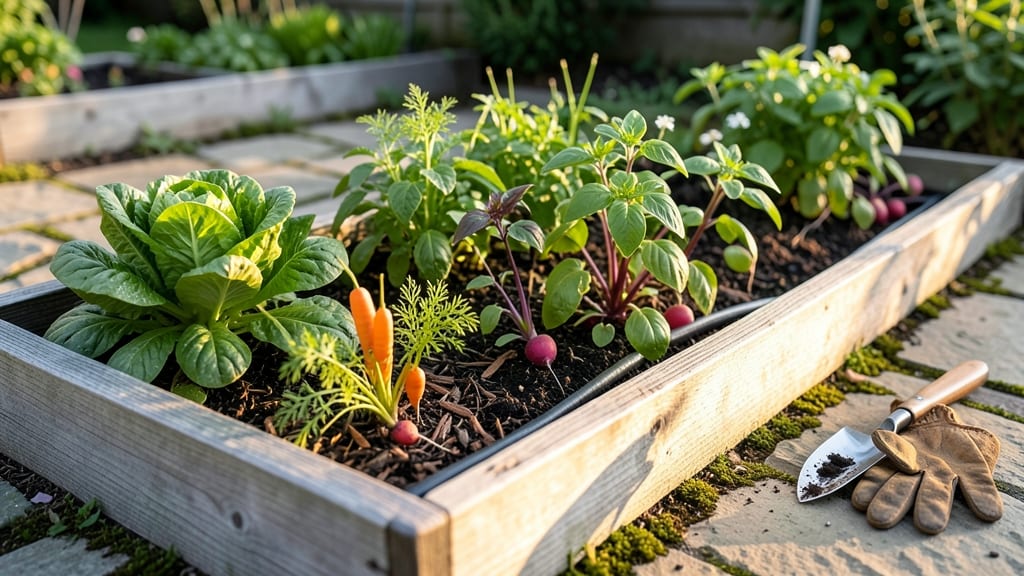
The advantages of raised garden beds include improved soil drainage and temperature regulation, which help reduce weeds and enhance root development while preventing soil compaction. They also provide better pest control and allow you to customize soil mixes for specific plants.
The real magic happens below the surface. Raised beds create an oxygen-rich environment that encourages beneficial microbial activity, which in turn boosts nutrient uptake for your plants. 🌱 Unlike in-ground gardens, these beds warm up faster in spring and stay cooler in summer—ideal conditions for delicate seedlings and heat-sensitive crops.
Plus, the elevated design keeps pests like slugs and burrowing insects at bay while letting you create the perfect growing medium for each plant type.
What’s more, the controlled environment means you can grow vegetables and herbs year-round in many climates. The customizable soil blends let you match pH levels and nutrient profiles to what each plant needs, whether it’s acid-loving blueberries or calcium-hungry tomatoes.
This precision gardening approach isn’t just about aesthetics—it’s about maximizing yields with minimal effort.
💡 In This Article
- How Raised Beds Improve Soil Health and Plant Growth
- Best Practices for Designing and Maintaining Raised Garden Beds
How raised beds improve soil health and plant growth
Raised garden beds revolutionize soil health by creating an oxygen-rich environment that traditional in-ground plots simply can't match. When you build a raised bed with proper depth—typically 12-18 inches—you eliminate the compaction that naturally occurs from foot traffic and machinery in ground-level gardens.
This looser soil structure allows roots to spread more freely, accessing 20-30% more oxygen than compacted ground soil, which is crucial for microbial activity and nutrient absorption. 🌱 The increased aeration also helps prevent anaerobic pockets where harmful bacteria thrive, creating a healthier ecosystem for your plants.
The temperature regulation in raised beds is another game-changer, especially for seedlings and heat-sensitive crops. During spring, raised beds warm up 2-4°F faster than in-ground soil because they absorb heat from all sides (including the bottom) rather than just the top.
In summer, they stay 5-10°F cooler because the elevated design allows better airflow underneath. This stable temperature range—typically between 60-75°F—is ideal for root development and microbial activity, which can be disrupted by extreme ground temperatures.
For example, strawberries and lettuce thrive in these conditions, producing larger yields compared to ground planting.
One of the most underrated benefits is the ability to create custom soil blends tailored to specific plants. Unlike native soil, which often has inconsistent pH and nutrient levels, raised beds let you layer 6-12 inches of high-quality compost mixed with topsoil and organic matter.
This customization is particularly valuable for acid-loving plants like blueberries (which need pH 4.5-5.5) or calcium-dependent crops like broccoli (requiring pH 6.0-7.0).
The deep root zones also support heavy feeders like tomatoes and squash, which can grow 30-50% larger in raised beds compared to ground planting due to reduced root competition.
Weed suppression is another major advantage, thanks to the thick layer of mulch and organic matter that smothers weed seeds before they germinate. Studies show raised beds can reduce weed growth by 70-90% compared to traditional gardens, saving you hours of manual labor.
The elevated design also makes it easier to maintain consistent moisture levels—water penetrates more evenly, reducing runoff and evaporation. This is particularly beneficial in drought-prone areas, where raised beds can maintain moisture 3-5 days longer than ground soil before needing watering.
Long-term soil fertility improves dramatically in raised beds because you're not depleting the same soil year after year. When you add compost and organic matter annually, you're building a self-sustaining system where nutrients cycle continuously.
Unlike in-ground gardens, where repeated planting can lead to nutrient depletion, raised beds maintain their fertility for decades with proper maintenance. For instance, a well-maintained raised bed can produce 2-3 times more vegetables per square foot than conventional gardens, making it a highly efficient use of space. 💫
Consider the case of heirloom tomatoes: in a raised bed with 12 inches of compost-rich soil, a single plant can produce 20-30 pounds of fruit over a season, compared to just 5-10 pounds in compacted ground soil.
The deeper root zone allows the plant to access nutrients and water from a larger volume, while the improved aeration prevents root rot—a common issue in heavy, waterlogged ground soil. This is why many professional growers and home gardeners swear by raised beds for high-value crops.