
Tools
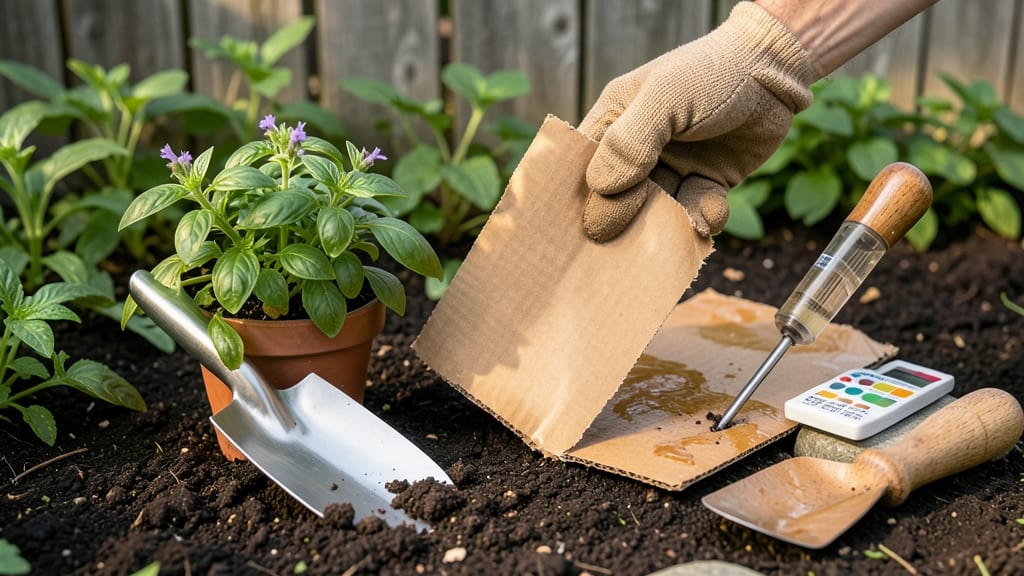
Cardboard is generally not toxic in the garden when used as mulch or weed barrier, but its breakdown releases ink chemicals and adhesives that may harm soil microbes and plants over time. Plain, uncoated cardboard is safer than printed varieties, and proper decomposition methods minimize risks.
While cardboard itself is biodegradable, the real concern lies in its additives. 🌱 The inks and adhesives used in printing can leach into the soil as it decomposes, potentially disrupting beneficial microbes that help plants thrive.
I’ve found that plain, unbleached cardboard breaks down more cleanly—just remove any tape or glossy finishes first. For sensitive plants, consider using newspaper or untreated wood fiber instead, as they pose fewer chemical risks during decomposition.
When used correctly, cardboard can actually improve your garden by suppressing weeds and retaining moisture. The key is proper preparation: shred it first to speed up breakdown, and place it directly on the soil surface rather than burying it.
This way, you get the benefits without the potential long-term chemical buildup that could affect your plants’ health.
💡 In This Article
- How Cardboard Breaks Down and Affects Soil Health
- Safe Cardboard Mulching Practices for Gardens
How cardboard breaks down and affects soil health
Cardboard primarily consists of cellulose fibers (about 90% of its composition), which are naturally biodegradable. However, the real concern comes from the remaining 10% additives, including ink pigments, adhesives, and coatings. When cardboard decomposes, these additives break down into smaller molecules that can leach into the soil.
The ink—often containing petroleum-based solvents or soy-based inks—releases volatile organic compounds (VOCs) that may temporarily disrupt soil microbes, which are essential for nutrient cycling.
Printed inks, especially those with glossy finishes, contain plasticizers and synthetic binders that can persist in the soil for months.
Studies show that these chemicals may reduce microbial activity by up to 30% in the short term, particularly in the top 2-3 inches of soil where decomposition is most active.
The adhesives used in cardboard manufacturing (like starch or synthetic glues) also contribute to slower breakdown, creating a micro-environment where harmful bacteria or fungi might temporarily thrive over beneficial ones.
For plants, the impact depends on the species and soil type. Root crops like carrots or radishes are more sensitive to chemical residues because they absorb nutrients directly from the topsoil.
In contrast, deep-rooted plants like tomatoes or corn are less affected since their roots penetrate deeper layers where contamination is minimal.
Over time, however, repeated use of printed cardboard can lead to a buildup of heavy metals (like lead or cadmium) from ink pigments, which may accumulate in edible parts of plants.
One often-overlooked factor is the pH shift caused by decomposition. As cardboard breaks down, it releases organic acids that can temporarily lower soil pH, creating a slightly more acidic environment.
While most garden plants tolerate this, calcium-loving plants like broccoli or cabbage may show stunted growth if the pH drops below 6.0. To mitigate this, mix a handful of lime or wood ash into the soil before laying down cardboard mulch.
The good news is that plain, unbleached cardboard (like corrugated boxes without printing) decomposes almost entirely into harmless cellulose and water. Even with printed varieties, the risks are minimal if you use cardboard as a short-term mulch (3-6 months) rather than a permanent layer.
The key is balancing convenience with soil health—especially in organic gardens where microbial activity is critical for plant vitality.
For a visual comparison, imagine two scenarios: one where you use plain cardboard (like a pizza box without grease stains) and another with heavily printed glossy cardboard (like a magazine cover).
The first will decompose cleanly, while the second may leave behind a slightly oily residue that could deter earthworms—a telltale sign of soil stress. 🌱