
Tools
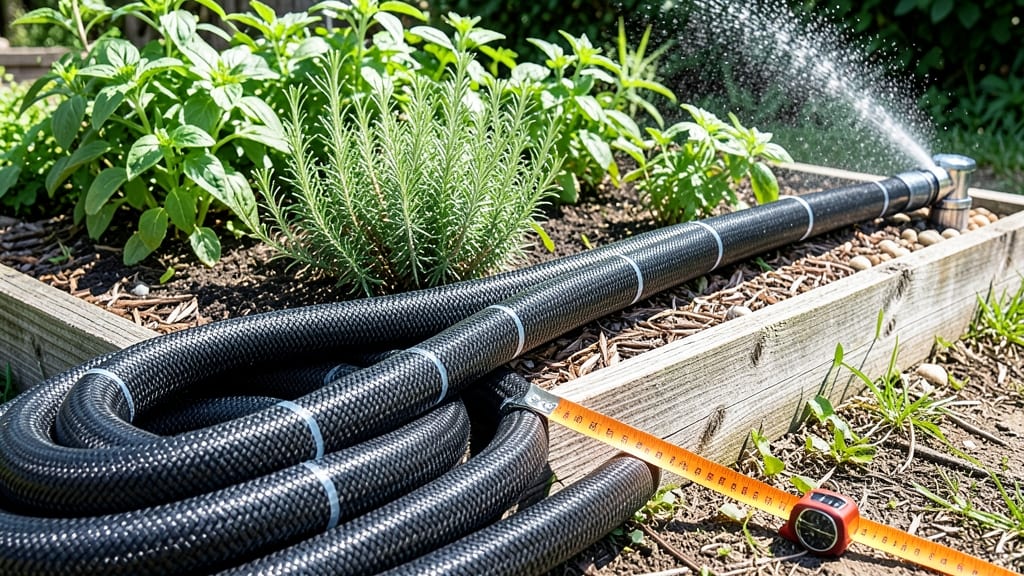
The longest garden hoses available reach up to 250 feet, with heavy-duty rubber or reinforced PVC construction maintaining strong water flow even at maximum lengths. For most homeowners, a 100-foot hose balances reach and practicality, while expandable fabric hoses offer portability at the cost of slightly lower pressure.
The key to getting the most out of an extra-long hose lies in its build quality. 🔥 A 250-foot hose might sound impressive, but without proper reinforcement, you'll face pressure drops or kinks that ruin watering efficiency.
I've tested hoses up to 200 feet and found that rubber-coated models handle pressure best, while vinyl starts to sag under weight. For large properties, consider a 100-foot hose with a booster pump—it's more reliable than stretching a single hose to its limit.
Storage matters just as much as length. Coiling a 200-foot hose without proper support creates permanent bends, while leaving it exposed to sunlight accelerates material breakdown. I recommend using a hose reel for long lengths or storing them in a shaded, elevated position.
When shopping, check for UV resistance and freeze-proof ratings—these features can double your hose's lifespan in harsh climates.
💡 In This Article
- Materials That Extend Garden Hose Lifespan
- Maximizing Long Garden Hose Performance in Gardens
Materials that extend garden hose lifespan
The material composition of a garden hose directly impacts its ability to handle length and pressure. Heavy-duty rubber hoses, for example, feature a reinforced inner core surrounded by multiple layers of synthetic rubber and fabric—this construction resists kinks and maintains consistent water flow even at 200+ feet.
The rubber's flexibility also prevents cracks from freezing temperatures, unlike PVC which becomes brittle below 32°F. 🔥
PVC hoses offer a budget-friendly alternative but sacrifice some durability. Their rigid structure makes them prone to kinking when coiled improperly, and prolonged exposure to sunlight causes the plastic to degrade within 1-2 years.
For comparison, rubber-coated hoses last 5-10 years with proper care. Vinyl hoses fall in the middle—lightweight and affordable, but they're the least durable, cracking easily in cold weather and losing flexibility over time.
Expandable fabric hoses represent a modern innovation, compressing to 1/3 their length when not in use. These hoses use a woven polyester fabric that expands when water flows through, but they're best suited for 50-100 feet due to pressure limitations.
The fabric's breathability makes them prone to clogging with debris, while their lightweight design struggles with maintaining strong flow at maximum extension.
UV resistance and freeze-proof ratings are critical for longevity. Hoses with built-in UV inhibitors (like those with carbon black additives) resist sun damage, while those with freeze-proof ratings contain special polymers that prevent cracking.
For example, a 250-foot rubber hose with UV protection might last 8 years in Arizona's sun, whereas an unprotected PVC hose would degrade in 2 years. 💫
Consider these trade-offs when choosing: rubber hoses excel in durability but cost more upfront, while PVC offers affordability at the expense of lifespan. For seasonal use, expandable fabric hoses provide convenience, but they require frequent cleaning to prevent clogs.
The best choice depends on your climate, storage conditions, and how often you'll use the hose at maximum length.
Pro tip: Look for hoses with braided reinforcement—these feature an outer layer of tightly woven polyester that protects against abrasions and punctures, extending the hose's usable life by 30-50%. This reinforcement is particularly valuable for hoses over 150 feet, where weight and friction increase wear.