
Vegetables
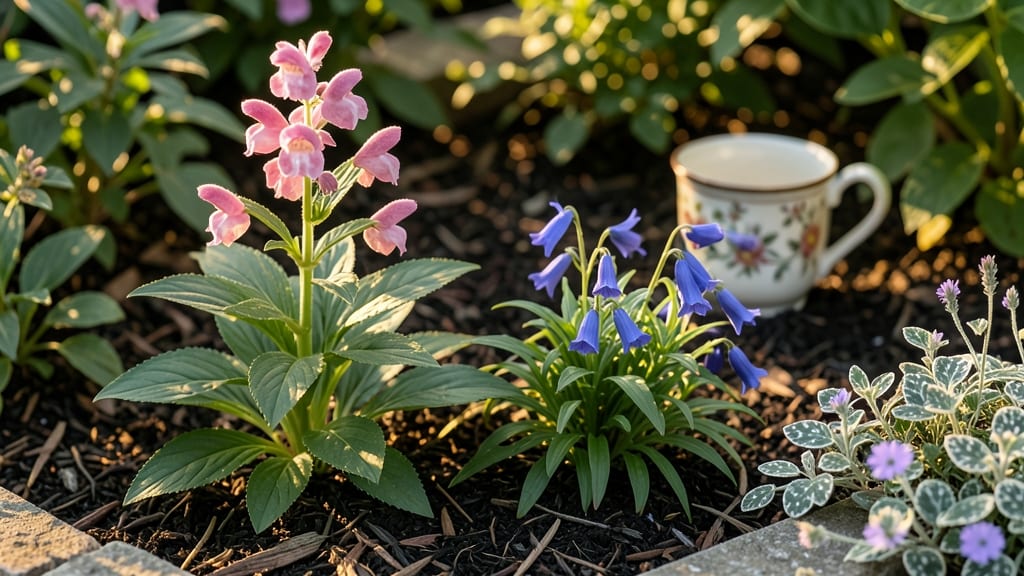
The Alice in Wonderland Botanical Gardens recreate beloved storybook scenes through living plant exhibits that bring characters and settings to life. Using oversized mushrooms, cascading vines, and vibrant blooms, these gardens transform horticulture into interactive storytelling experiences.
The magic happens through carefully curated plant pairings that mirror iconic moments from the tale. 🌿 For example, the Mad Hatter's tea party might feature a circular arrangement of Hydrangea macrophylla (for blue tea cups) surrounded by trailing Ivy to create a whimsical table setting.
Seasonal variations ensure each visit offers new surprises, with winter displays featuring frost-resistant plants like Hellebores to mimic the cold, dreamlike atmosphere of Wonderland.
What makes these gardens special is their attention to detail—every plant serves a dual purpose as both decoration and narrative element. The curators often incorporate edible plants like berry bushes labeled as "Eat Me" treats or fragrant herbs positioned near the Cheshire Cat's grin to engage multiple senses.
This approach turns a simple garden tour into an immersive journey through Lewis Carroll's imagination.
💡 In This Article
- How to Design Whimsical Plant Displays Inspired by Alice in Wonderland
- Best Plants for Storybook-Themed Garden Exhibits
How to design whimsical plant displays inspired by Alice in Wonderland
The foundation of any Alice in Wonderland-themed garden lies in selecting plants that visually and texturally embody the story's surreal elements.
For iconic mushrooms like those Alice encounters, horticulturists often use Calocedrus decurrens (incense cedar) for its scaly bark and conical shape, which can be painted or wrapped to achieve the classic red-and-white spotted look.
The Cheshire Cat's grin is typically represented using Hydrangea macrophylla with its large, rounded blooms that can be trained into a smile shape through careful pruning. 🌟 These plants are chosen not just for their appearance but also for their ability to thrive in the garden's microclimate, often requiring partial shade to mimic Wonderland's dreamlike atmosphere.
Creating depth requires strategic layering of plants and structures. The Mad Hatter's tea party display, for example, might feature a circular arrangement of Hydrangea macrophylla (blue varieties for tea cups) surrounded by trailing English ivy (Hedera helix) to form tablecloth-like drapes.
Structural elements like painted wooden teacups or whimsical toadstool stools are strategically placed among the plants to guide visitors' eyes through the scene.
Lighting plays a crucial role too—soft, warm lighting at dusk enhances the magical ambiance, while spotlights can highlight specific plants like the Berberis thunbergii (Japanese barberry) used for the Queen of Hearts' playing cards.
Seasonal considerations are vital for maintaining the garden's immersive quality year-round. Summer displays might feature vibrant Canna lilies for their bold foliage, while winter exhibits incorporate frost-resistant Hellebores (Lenten roses) to maintain visual interest.
The "Drink Me" potion area often includes Mint (Mentha spp.) and Lemongrass (Cymbopogon citratus) for their aromatic properties, while "Eat Me" sections showcase Blueberries (Vaccinium corymbosum) and Strawberries (Fragaria × ananassa) in playful arrangements. This seasonal rotation ensures each visit offers a fresh interpretation of Wonderland's ever-changing landscape.
The most successful displays incorporate interactive elements that engage multiple senses. For instance, the Cheshire Cat's grin might be positioned near Lavender (Lavandula angustifolia) to provide a fragrant trail, while the "Eat Me" berry bushes are often placed where visitors can safely sample the fruits.
Structural elements like winding vine tunnels (created with Clematis or Wisteria) encourage exploration, while hidden pathways lead to unexpected scenes like the dormouse's tea party. These elements transform a static garden into a dynamic, story-driven experience that evolves with each visitor's journey through Wonderland.
Lighting design is often the final touch that brings these displays to life. Warm, golden lights placed at ground level create a magical glow among the plants, while uplighting can highlight the architectural elements like the giant mushrooms or the Queen of Hearts' playing card border.
Solar-powered LED lights are commonly used for their energy efficiency and ability to create subtle, twinkling effects that enhance the dreamlike quality. The lighting scheme typically follows a color temperature of 2700-3000K to maintain the warm, inviting atmosphere that defines Wonderland's aesthetic. 💫
What truly sets these displays apart is their attention to narrative flow. Each plant and structure serves a dual purpose—as both a visual element and a storyteller.
The curators often create "story maps" that guide visitors through the garden's narrative progression, from Alice's initial fall down the rabbit hole to her final departure.
This careful planning ensures that every plant placement contributes to the overall storytelling experience, making the garden not just a collection of beautiful plants, but a living, breathing interpretation of a classic tale.