
Container Gardens
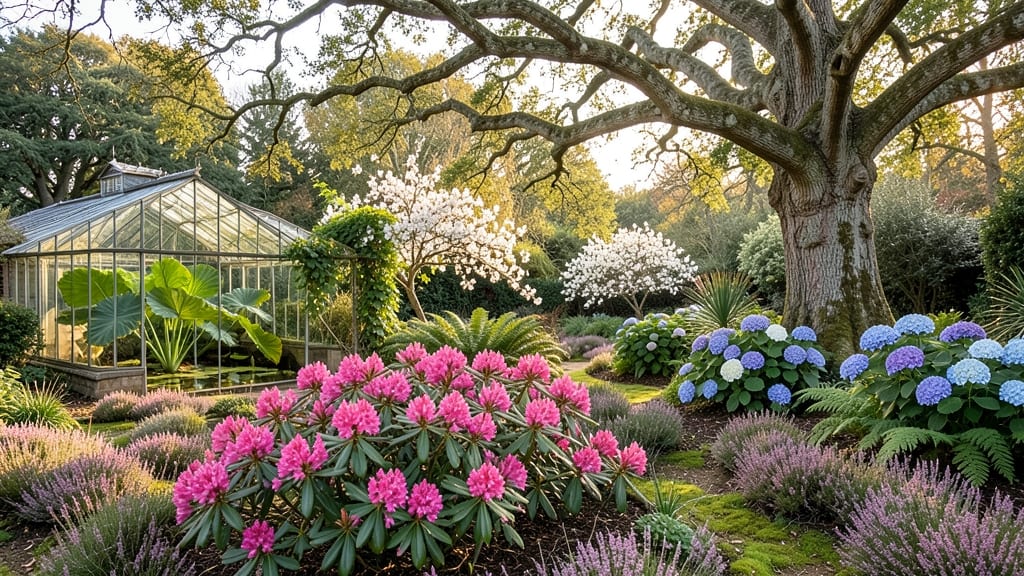
Botanical Gardens Belfast offers hidden gems like the Victorian Fernery and glasshouses filled with exotic flora, from carnivorous plants to rare orchids, alongside themed gardens and seasonal displays that captivate both plant lovers and casual explorers.
This 150-year-old botanical haven in Belfast isn’t just a garden—it’s a living museum of biodiversity. 🌿 The glasshouses alone house over 2,000 plant species, including pitcher plants and vanilla orchids, while the Japanese Garden provides serene escape routes.
What sets it apart is how seamlessly it blends education with beauty: every trail tells a story, from conservation efforts to tropical ecosystems.
The Victorian Fernery, for example, transports visitors back to the 1800s with its lush, mossy atmosphere, while seasonal displays rotate to feature everything from Christmas poinsettias to spring bulbs.
Pro tip: Weekday mornings are quieter, giving you time to spot the carnivorous plants in their glasshouse habitats—some even catch flies right before your eyes!
💡 In This Article
- Exploring Belfast Botanical Gardens’ Unique Plant Collections
- Best Hidden Trails and Seasonal Highlights in Belfast Botanical Gardens
Exploring Belfast botanical gardens’ unique plant collections
The glasshouses at Belfast Botanical Gardens serve as microcosms of global ecosystems, housing over 2,000 species from tropical rainforests to arid deserts. The Tropical Glasshouse, for instance, maintains a 25-30°C (77-86°F) climate year-round, replicating the humidity of the Amazon basin.
Here, you’ll find vanilla orchids (like Vanilla planifolia) and pitcher plants (such as Nepenthes species), whose modified leaves trap insects using a combination of digestive enzymes and slippery surfaces. 🌿 The Carnivorous Plant House takes this further with 15+ species, including the Venus flytrap (Dionaea muscipula), which snaps shut in 0.1 seconds when triggered by prey.
The gardens’ collections aren’t just decorative—they’re vital for conservation. Many species, like the Northern Rocky Mountain orchid (Platanthera hookeri), face habitat loss in their native regions. Belfast’s Seed Bank preserves genetic material for endangered plants, while the Alpine House showcases high-altitude species adapted to -10°C (14°F) temperatures.
The Japanese Garden, a 1.5-acre oasis, uses traditional niwa (garden) techniques to create harmony between water, rock, and plant life—each element carefully placed to reflect Zen principles.
Even the Victorian Fernery, with its 50+ fern species, demonstrates how 19th-century botanists classified plants by leaf structure, a system still used today.
What makes these collections so special is their interactive learning approach. Visitors can observe orchid pollination in action (some species rely on specific bees or moths) or watch carnivorous plants digest prey through magnified viewing stations.
The Glasshouse Trail even includes QR codes linking to expert talks on plant adaptations—like how Tillandsia air plants absorb moisture through their leaves instead of roots.
This blend of aesthetics and science is why the gardens host 12,000+ visitors annually, from school groups studying ecosystems to horticulturists researching rare hybrids.
Seasonal rotations add another layer of discovery. Winter displays might feature Christmas cacti (Schlumbergera) blooming under artificial light, while summer highlights monstera deliciosa with its iconic split leaves—each plant tagged with its native region and care requirements.
The Conservation Lab offers behind-the-scenes tours where you’ll see tissue culture techniques used to propagate endangered plants, a process that can take 3-6 months per specimen. This hands-on science makes the gardens a living classroom, where every trail tells a story of survival and adaptation.
For plant enthusiasts, the Rare Plant Collection is a must-see, featuring 100+ species from the Royal Botanic Gardens, Kew archives. Highlights include the corpse flower (Amorphophallus titanum), which blooms only every 7-10 years and emits a rotten-meat odor to attract pollinators.
The gardens’ herbarium (a plant library) contains 25,000+ pressed specimens, some dating back to the 1850s, offering a tangible connection to botanical history. 🌱 This depth of curation ensures Belfast’s gardens stand out even among the UK’s 150+ botanical institutions.