
Landscaping
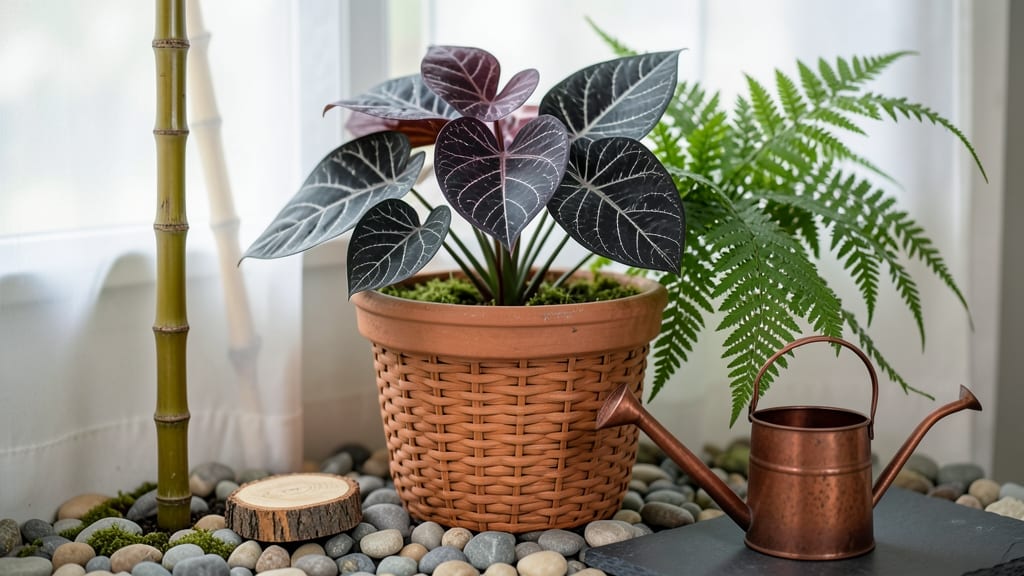
Garden designs featuring alocasia garden ideas can turn even a modest space into a lush tropical retreat, with their dramatic, elephant-ear leaves stealing the show.
But here’s the thing: throwing these bold beauties into your garden without planning can look chaotic, not chic. The key is pairing them with the right companions—think glossy calatheas, trailing philodendrons, or even deep-purple coleus—to create a cohesive, high-impact look that feels intentional, not random.
Whether you’re working with a sun-drenched patio, a shady corner, or just a few containers on a balcony, I’ll show you how to style alocasia like a pro. From striking color contrasts to layered textures, these ideas will help you make the most of their striking foliage—no green thumb required.
Ready to transform your outdoor space? Let’s dive into alocasia garden ideas that bring drama, depth, and a little jungle magic to any setting.
Best alocasia varieties for high-contrast garden designs
If you're dreaming of a garden with bold visual drama, alocasia plants are your secret weapon. Their striking elephant ear leaves create instant focal points, especially when paired with complementary foliage.
The key to a high-contrast design lies in selecting the right alocasia varieties—each with unique textures and colors—that thrive under specific growing conditions.
For year-round vibrant foliage, focus on varieties like Alocasia zebrina, Alocasia polly, and Alocasia 'Black Velvet'. These standouts offer deep purples, velvety blacks, and silvery patterns that pop against lush greens or moody backdrops.
But their beauty depends entirely on meeting their humidity, light, and soil needs—skip this, and you’ll end up with limp, sad leaves.
Let’s start with Alocasia zebrina, the queen of high-contrast designs. Its silver-green leaves with purple undersides create a stunning visual when placed near deep green monstera or black calatheas.
To keep its leaves crisp and upright, position it in bright indirect light—think dappled sunlight through sheer curtains. If your space is dry, a pebble tray with water or daily misting will prevent crispy edges.
For a moody, velvety look, Alocasia 'Black Velvet' is unmatched. Its near-black leaves absorb light, making it perfect for dramatic shadow play in mixed containers. This variety thrives in low light but demands high humidity—ideal for bathrooms with natural light or greenhouses.
Use a humidifier or cluster it with other tropicals like philodendrons to boost moisture levels naturally.
If you prefer classic elegance, Alocasia polly delivers with its deep green leaves and purple stems. It’s more forgiving than others, tolerating low to bright indirect light, making it great for office spaces or shady garden corners.
Keep its soil consistently moist but never soggy—well-draining peat-based mixes work best. Pair it with silver variegated pothos for a striking contrast that pops.
Don’t overlook Alocasia 'Dragon Scale' for textured drama. Its dark green, scaly leaves add dimension to designs, especially when combined with smooth-leaved plants like Anthurium. This variety loves bright indirect light and chunky, organic soil to prevent root rot.
Group it with ferns or calatheas to create a jungle-like microclimate that retains humidity.
Finally, Alocasia 'Frydek' offers ultra-dark foliage that’s perfect for monochromatic schemes. Its velvety purple-black leaves thrive in low to medium light, making it ideal for indoor jungles or north-facing patios.
Use moist, acidic soil and a terrarium-like setup to mimic its tropical habitat. Pair it with silver or white variegated plants for a high-fashion foliage combo that turns heads.
Pro tip: Rotate your alocasias quarterly to ensure even growth. These plants lean toward light, so adjust their position if you notice lopsided leaves. And always use gloved hands when handling them—their sap can irritate skin!
With the right variety and care, your alocasias will dominate any garden design like a tropical superstar. Now go forth and create a foliage masterpiece that’s as bold as it is beautiful! 🌿
Stunning alocasia pairings with other tropical plants
Pairing alocasia with the right tropical companions creates a lush, jungle-like vibe that’s impossible to ignore. The secret lies in contrasting textures and colors—think velvety calatheas next to alocasia’s glossy leaves or trailing philodendrons to soften the bold shapes.
These combinations not only look stunning but also thrive together under similar care conditions.
Start with color theory to elevate your design. Deep burgundy alocasias like ‘Black Velvet’ pair beautifully with silver-variegated monstera deliciosa, creating a dramatic monochromatic palette. For softer looks, mix alocasia’s rich greens with calathea orbifolia’s ruffled edges or nephrolepis ferns for delicate contrast.
For textural drama, combine alocasia’s broad leaves with trailing vines like philodendron hederaceum. The contrast between vertical and horizontal growth creates dynamic movement in your garden. Place taller alocasias at the back of containers or garden beds, then layer trailing plants in front to frame them beautifully.
Don’t overlook fern pairings—they add softness to alocasia’s bold presence. Asplenium nidus (bird’s nest fern) complements alocasia’s glossy leaves with its arching fronds, while davidii ferns provide a feathery contrast. These combinations work perfectly in hanging baskets or as ground covers under alocasia’s towering forms.
Pro tip: Use container gardening to mix multiple pairings in one space. A large pot with alocasia as the centerpiece, surrounded by calathea and philodendron, becomes a portable tropical paradise. Just ensure all plants receive bright indirect light and high humidity—the key to keeping them thriving together.
Experiment with odd-number groupings for visual balance. Place one alocasia with two calatheas or three ferns to create natural focal points. The result? A lush, Instagram-worthy garden that feels both wild and intentional. 🌿