
Landscaping
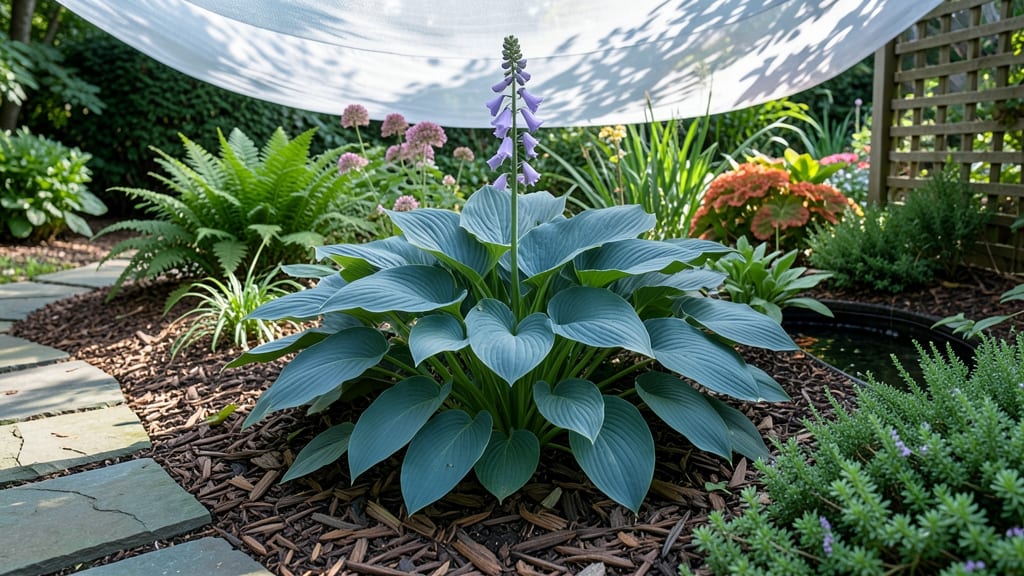
Zone 6 shade garden ideas can turn your darkest corners into a thriving, colorful oasis—no direct sunlight required.
Struggling to create a vibrant garden in Zone 6’s shaded spots? You’re not alone—many gardeners assume low-light areas mean dull landscapes. But with the right shade-tolerant plants, you can transform even the darkest corners into a lush, colorful retreat that thrives year-round.
This guide dives into the best perennials, shrubs, and annuals for Zone 6 shade, from hostas and ferns to flowering astilbes, plus layering tricks to add depth and seasonal interest. Whether you’re dealing with partial or full shade, these strategies will keep your garden lush and lively.
You’ll also learn how to avoid common mistakes—like overcrowding or ignoring moisture needs—and get tips for protecting your plants through Zone 6’s cold winters and humid summers. Let’s bring life to those shady spots!
 Best Window Placement
Best year-round shade plants for Zone 6 gardens
Zone 6 gardeners often face the challenge of transforming shady spots into thriving, colorful spaces. The good news? Many shade-tolerant plants not only survive but thrive in low light, offering year-round interest.
From hostas with bold foliage to ferns with delicate textures, these plants bring life to even the darkest corners of your garden.
Creating a low-maintenance shade garden starts with selecting the right plants. Zone 6’s climate—with cold winters and humid summers—demands hardy perennials and adaptable annuals that can handle fluctuating moisture levels. Below, I’ve curated a list of my top shade-loving plants that deliver color, texture, and structure throughout all four seasons.
🌿 Key to success: Amend your soil with organic matter like compost or leaf mold to improve drainage and fertility. Most shade plants prefer moist, well-draining soil with a slightly acidic to neutral pH. Mulch heavily (2-3 inches) to retain moisture and suppress weeds, which is especially important in Zone 6’s hot summers.
Here’s a quick reference guide to help you choose the perfect plants for your year-round shade garden:
| Plant Type | Sun Needs | Water Needs | Mature Size | Seasonal Interest |
|---|---|---|---|---|
| Hostas (e.g., 'Blue Angel', 'Halcyon') | Partial to full shade | Moderate (keep soil moist) | 1-3 ft tall, 2-4 ft wide | Spring foliage, summer blooms, winter dormancy |
| Ferns (e.g., 'Maidenhair', 'Ostrich') | Partial to full shade | High (drought-sensitive) | 1-4 ft tall, 2-3 ft wide | Year-round texture, lacy foliage |
| Heucheras (e.g., 'Palace Purple', 'Lime Rickey') | Partial shade to full sun | Moderate (drought-tolerant once established) | 1-2 ft tall, 1-2 ft wide | Spring foliage, summer blooms |
| Impatiens (e.g., 'New Guinea', 'Classic') | Full shade | High (keep soil moist) | 1-2 ft tall, 1-2 ft wide | Summer to fall blooms |
| Astilbes (e.g., 'Fanal', 'Deutschland') | Partial shade | Moderate (drought-tolerant) | 1-3 ft tall, 1-2 ft wide | Summer plumes, winter interest |
| Hellebores (e.g., 'Lenten Rose') | Partial to full shade | Moderate (drought-tolerant) | 1-2 ft tall, 1-2 ft wide | Winter to spring blooms |
| Lungwort (Pulmonaria) | Partial shade | Moderate (keep soil moist) | 1-2 ft tall, 1-2 ft wide | Spring blooms, spotted foliage |
Layering techniques for deep shade garden designCreating a visually stunning shade garden in Zone 6 doesn’t require bright sunlight—just the right combination of plants, textures, and bloom times. Layering is my secret weapon for adding depth and year-round interest to dark corners. By mixing tall vertical plants, mid-height foliage, and low-growing ground covers, you’ll create a dynamic landscape that feels lush and intentional. The key to successful layering is understanding how each plant contributes to the overall structure. Start with backdrop plants like Japanese maples or tall ferns to frame your space, then add mid-height perennials such as heucheras or astilbes for color and texture. Finally, fill the front with spreading hostas or ajuga to tie everything together. This approach ensures no area feels empty while keeping maintenance manageable. 5 Essential Layering Tips for Zone 6 Shade Gardens
Seasonal color planning is where layering truly shines. In spring, I rely on early bloomers like hellebores and bleeding hearts to brighten the garden before taller plants leaf out. By summer, astilbes and impatiens take center stage with their vibrant blooms, while fall-winter interest comes from ornamental grasses and evergreen ferns that hold their structure through the colder months. Don’t forget to incorporate foliage variety—mix glossy hostas with ruffled ferns and purple heucheras for a rich tapestry of textures. The contrast between broad leaves, feathery fronds, and delicate blooms keeps the eye engaged and makes your shade garden feel intentionally designed. Even in deep shade, this approach ensures your space never looks flat or monotonous. Pro tip: Use mulch generously (2-3 inches) to suppress weeds and retain moisture, which is critical in Zone 6’s hot, humid summers. I opt for shredded bark or leaf mold to blend seamlessly with the naturalistic feel of a layered shade garden. This small step makes a big difference in reducing maintenance while keeping your plants thriving. With these layering techniques, your Zone 6 shade garden will become a lush, multi-seasonal retreat that rivals any sunlit space. The best part? You’ll spend less time struggling with sparse plantings and more time enjoying the beauty of a thoughtfully designed, low-maintenance oasis. 🌿 |