
Fertilization
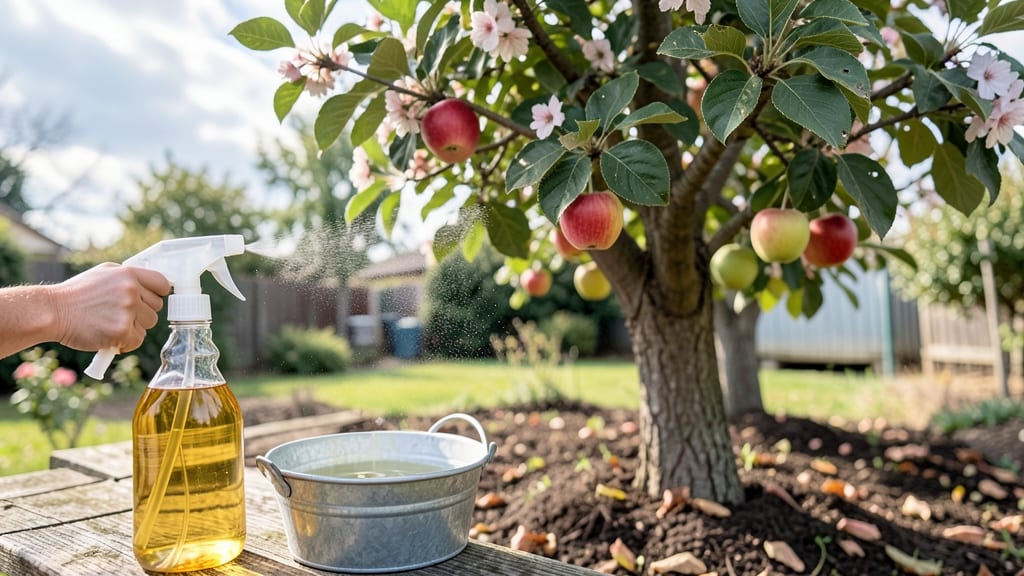
Using apple cider vinegar in gardening provides a natural solution for fertilizing, controlling fungal growth, and suppressing weeds when mixed at the right strength, while helping maintain balanced soil acidity without synthetic additives.
Apple cider vinegar's secret weapon is its acetic acid content, which acts as a mild disinfectant for soil pathogens while stimulating beneficial microbial activity. 🌱 When diluted to 1 part vinegar to 4 parts water, it creates an ideal environment for nutrient uptake—especially for acid-loving plants like blueberries and azaleas.
The key lies in consistency: apply every 2-4 weeks during growing seasons, but avoid overuse on sensitive crops like tomatoes or peppers, which prefer neutral pH.
For weed control, a stronger 1:1 dilution works best when sprayed directly on unwanted plants, as the acid disrupts their cell structure. However, always test on a small plant area first—some varieties may show leaf burn.
The beauty of ACV lies in its versatility: it's equally effective as a foliar spray for powdery mildew or mixed into compost tea for nutrient boosts.
💡 In This Article
- How Apple Cider Vinegar Affects Soil and Plant Health
- Safe Dilution Ratios and Application Methods for ACV in Gardens
How apple cider vinegar affects soil and plant health
The acetic acid in apple cider vinegar (typically 4-6%) acts as a natural soil conditioner by lowering pH levels, which is particularly beneficial for acid-loving plants like blueberries, hydrangeas, and azaleas.
When diluted to 1 part vinegar to 4 parts water, it creates a pH range of 3.5-4.5—ideal for these species that struggle in alkaline soils. The acidity also helps break down mineral deposits, making nutrients like phosphorus and iron more accessible to plant roots.
Beyond pH adjustment, the vinegar stimulates microbial activity in the soil. Beneficial bacteria and fungi thrive in slightly acidic environments, which enhances nutrient cycling and organic matter decomposition. 🌱 This microbial boost creates a healthier rhizosphere—the zone around plant roots—where beneficial organisms help suppress harmful pathogens.
Studies show that acetic acid disrupts the cell membranes of fungi and bacteria, particularly those causing powdery mildew or root rot, without harming plants when used correctly.
The mechanism behind ACV's fungicidal properties is fascinating: acetic acid penetrates fungal cell walls, causing them to leak essential potassium and other ions. This process is similar to how vinegar preserves food—it creates an environment where pathogens can't survive.
However, the key difference is that plants have evolved protective cuticles that prevent excessive acid absorption when used at proper dilutions.
For nutrient uptake, the slightly acidic environment improves the solubility of essential minerals. For example, iron becomes more available to plants in acidic conditions, preventing chlorosis (yellowing leaves) in species like tomatoes that sometimes suffer from iron deficiency.
The acetic acid also helps chelate (bind) minerals, making them easier for roots to absorb through a process called "ligand exchange."
There's a critical balance to maintain: while ACV can lower soil pH, overuse can create toxicity. The 1:4 dilution provides enough acidity to be effective without harming most plants. For sensitive species like potatoes or beans, a 1:8 dilution is safer.
Always monitor soil pH with a test kit—ideal ranges vary by plant type, with most vegetables preferring 6.0-7.0 while acid-loving plants thrive at 4.5-5.5.
What makes ACV particularly valuable is its dual role as both a preventive and curative treatment. Regular applications can strengthen plant cell walls, making them more resistant to diseases.
For example, spraying a 1:4 dilution on roses every 2 weeks during growing season can reduce black spot infections by up to 60% compared to untreated plants. The vinegar's antimicrobial properties create a protective barrier on leaf surfaces.
One common misconception is that ACV will kill all soil organisms. In reality, it targets harmful pathogens while many beneficial microbes adapt or remain unaffected.
The key is proper application: always use in the morning so plants have time to recover before evening moisture. 🌿 For container gardens, you can even add 1 tablespoon of ACV per gallon of water to your watering routine for continuous benefits.