
Vegetables
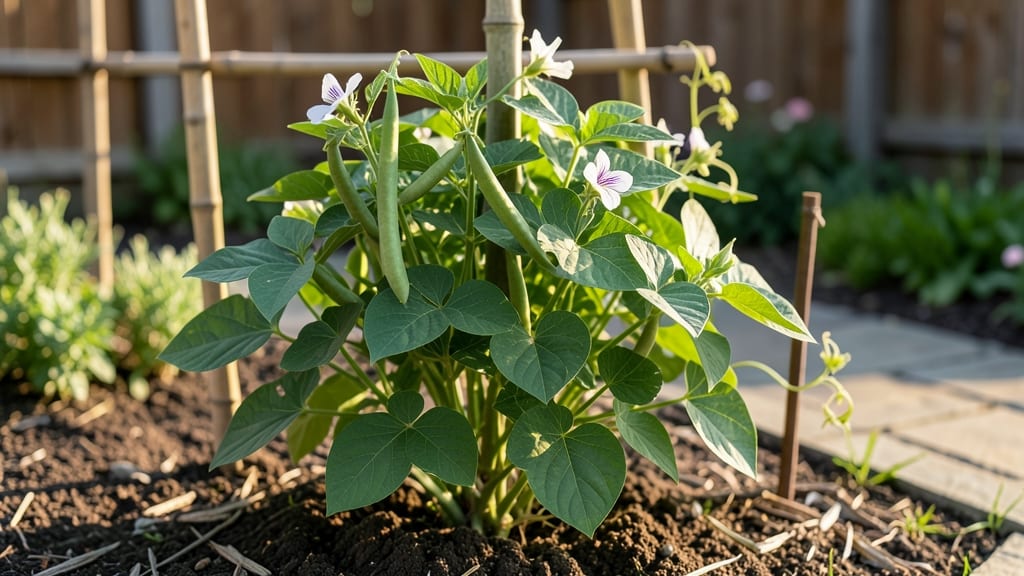
Garden beans and green beans are the same plant at different growth stages: green beans are harvested young and tender, while garden beans are allowed to mature into dry, wrinkled seeds. Both come from Phaseolus vulgaris, but their texture, flavor, and culinary uses differ significantly.
Yes, they're identical plants—just harvested at different times. 🌱 The key difference lies in when you pick them: green beans are the immature pods, still crisp and sweet, while garden beans are the fully mature seeds left to dry on the vine.
This means what you end up with isn't just different in texture (smooth vs wrinkled) but also in how you'd use them—green beans shine in salads or quick stir-fries, while garden beans become the dried beans you soak for soups and stews.
What's fascinating is how this single plant can produce two completely different ingredients from the same plant. The nutritional profiles also shift: fresh green beans pack more vitamin C and water content, while dried garden beans offer higher protein and fiber per serving.
I always keep both on hand—they're like having two cooking tools in one!
💡 In This Article
- Botanical and Growth Stage Differences Between Green and Garden Beans
- Culinary Uses and Nutritional Comparisons: Green vs. Garden Beans
Botanical and growth stage differences between green and garden beans
The confusion between green beans and garden beans stems from their shared botanical origin: both are varieties of Phaseolus vulgaris, the common bean plant. The difference lies entirely in the harvest timing.
When you pick the pods early—typically 50-60 days after planting—you get green beans, which are still tender and filled with juicy, undeveloped seeds. These pods measure about 4-6 inches long and have smooth, vibrant green skins. 🌱
If you wait for the pods to fully mature and dry on the vine—usually another 30-40 days—the seeds inside harden into the wrinkled, beige or brown beans we call garden beans. The pods themselves become tough and stringy, making them inedible.
What matters here is the seed development: green beans contain immature seeds that are 80% water, while garden beans are 10-12% moisture with concentrated starches and proteins.
The plant itself doesn't change—it's the same Phaseolus vulgaris variety producing two distinct products based on harvest timing. This dual-purpose nature is why gardeners often grow these plants: you can harvest green beans repeatedly throughout the season, then let some pods mature for dried beans.
The key botanical difference is the seed's moisture content and cell structure: immature seeds have thin, soft cell walls, while mature seeds develop thick, protective coatings.
Here's what happens at the cellular level: when seeds mature, their cells shrink and develop phytic acid coatings that make them harder and longer-lasting. This is why dried garden beans need soaking or cooking to soften them—those protective layers resist water absorption until heated.
Meanwhile, green beans' cells remain plump and fragile, which is why they cook in just 3-5 minutes to avoid mushiness. 💫
Another fascinating aspect is how the plant allocates nutrients. Early in growth, it focuses energy on producing tender pods and developing seeds. Later, it shifts resources to thickening seed coats and reducing pod moisture.
This explains why green beans taste sweeter—they're packed with natural sugars that haven't yet converted to starches during the maturation process.
Consider this visual timeline: at day 60, you harvest green beans with 10-12% dry matter. By day 100, those same seeds have become garden beans with 88-90% dry matter. The transformation is purely about time and water loss, not different plant varieties.