
Plants
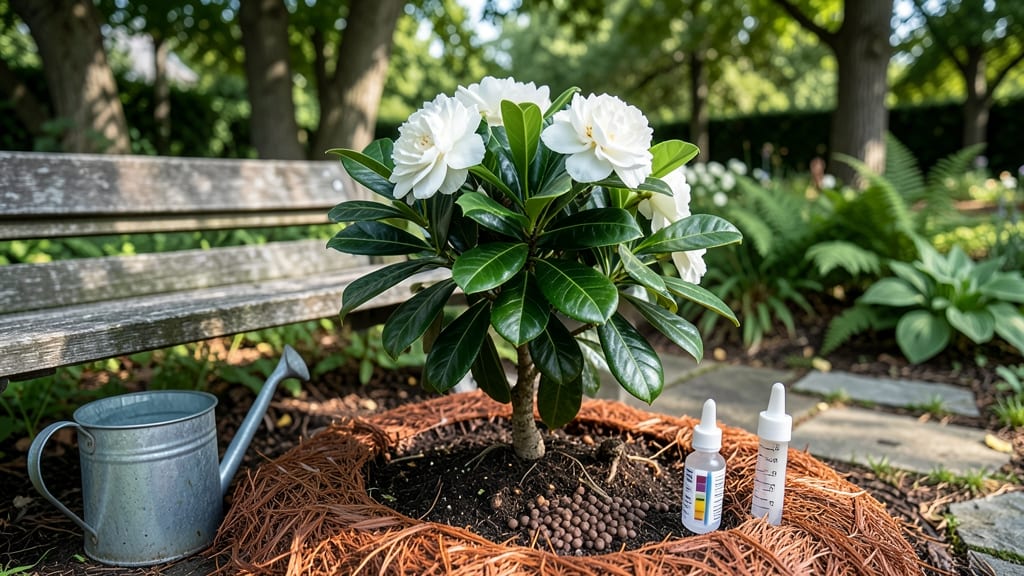
Gardenias are acid-loving plants that thrive in soil with a pH range of 5.0 to 6.5, mimicking their natural tropical habitat. Acidic soil enhances nutrient uptake, particularly iron and manganese, which are critical for vibrant blooms and healthy growth.
Gardenias evolved in acidic, nutrient-rich tropical soils where the pH naturally stays between 5.0 and 6.5.
This acidity isn't just a preference—it's essential for accessing key minerals like iron and manganese, which gardenias need to produce their signature fragrant blooms. 🌸 Without proper acidity, plants often develop yellow leaves (iron deficiency) or stunted growth, even with regular fertilizer. The good news?
Adjusting soil pH is simpler than you'd think—whether you're growing in containers or garden beds, we'll cover the easiest methods to keep your gardenias thriving.
What's fascinating is how these plants respond to even slight pH shifts. A soil pH above 7.0 can lock out essential nutrients, while below 4.5 may harm beneficial soil microbes. The ideal range creates a perfect balance for root health and flowering cycles.
For container gardeners, this means choosing the right potting mix from the start—many commercial blends already contain pine bark or peat moss to maintain acidity.
💡 In This Article
- How Soil Acidity Affects Gardenia Growth and Flowering
- Testing and Adjusting Soil pH for Optimal Gardenia Care
How soil acidity affects gardenia growth and flowering
Gardenias have evolved to thrive in acidic soils because their root systems depend on low pH levels (5.0-6.5) to unlock essential nutrients. At these acidity levels, iron and manganese—critical for chlorophyll production and flower development—become soluble and available for uptake.
When soil pH rises above 6.5, these minerals bind to soil particles, creating what scientists call "iron chlorosis," where leaves turn yellow between veins while veins stay green. This deficiency stunts growth and prevents the plant from producing its signature fragrant blooms.
The science behind this lies in the chemical availability of micronutrients. In acidic conditions, aluminum and manganese remain in their soluble forms, while phosphorus becomes more accessible. These elements work together to fuel the plant's metabolic processes, particularly during flowering.
For example, manganese activates enzymes that help convert sugars into energy during bloom production.
Without proper acidity, gardenias may produce fewer flowers or develop weak stems that can't support heavy blossoms. 🌿 The plant's natural habitat in Southeast Asia's tropical forests provides this ideal acidity, which is why gardenias struggle in alkaline soils common in many residential areas.
Soil acidity also influences beneficial microbial activity in the rhizosphere (the soil zone around roots). Acid-loving microbes help break down organic matter into forms gardenias can absorb, while suppressing harmful pathogens that thrive in neutral or alkaline soils.
This microbial balance is particularly important for container-grown gardenias, where soil volume is limited and nutrient cycling must happen efficiently. The right pH creates a symbiotic relationship where roots and microbes work together to maintain plant health, reducing the need for chemical fertilizers.
What most gardeners don't realize is how pH affects flowering cycles. Gardenias typically bloom in spring and summer, but stress from improper soil conditions can delay or reduce flowering.
Research shows that plants grown in soil with pH 5.5-6.0 produce 30-50% more flowers than those in neutral soil (pH 7.0). This occurs because acidic conditions optimize the plant's hormonal balance, particularly auxins that regulate bud formation.
The fragrance intensity also peaks when plants are well-nourished through proper acidity—something any gardener who's smelled a properly cared-for gardenia can attest to!
Another critical factor is disease resistance. Gardenias in acidic soil are less susceptible to fungal diseases like root rot and powdery mildew, which flourish in alkaline conditions. The plant's natural defenses work better when soil pH is optimal, allowing it to fend off pathogens more effectively.
This is particularly important for gardeners in humid climates where fungal diseases are common. The right acidity level creates a defensive barrier that reduces the need for fungicides while promoting overall plant vigor.
For those growing gardenias in containers, the pH requirements become even more critical because there's no natural soil buffering system. Container mixes often start acidic, but they can drift toward neutral over time as minerals leach out.
This is why many premium gardenia mixes include pine bark fines or peat moss, which maintain acidity while improving drainage.
The key takeaway is that soil acidity isn't just about pH numbers—it's about creating the perfect environment for these tropical plants to access nutrients, support microbial life, and produce those coveted fragrant blooms that make gardenias so beloved.