
Blooming
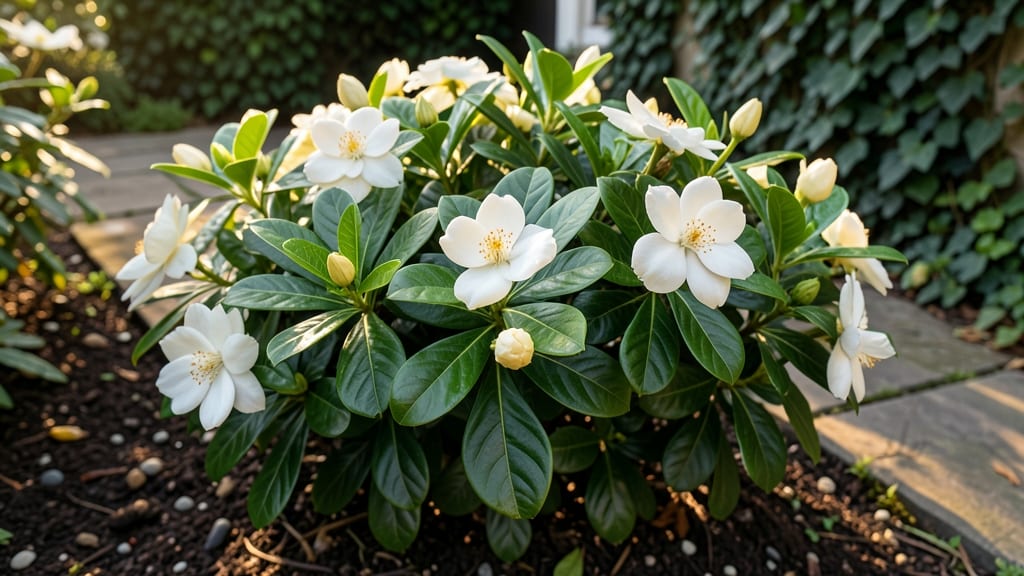
Gardenias bloom in Texas between late spring and early fall, with peak fragrance arriving in May through July for most regions 🌸 — but the exact timing depends on where you live and how you care for them.
If you’ve ever caught the intoxicating scent of gardenias drifting through a Texas garden, you know their blooms are a seasonal treasure—but timing is everything.
Whether you're a gardener in Houston or the Hill Country, knowing exactly when these fragrant flowers peak can mean the difference between a missed spectacle and a lush, fragrant summer.
Texas’s climate plays a big role: the humid East may see blooms start as early as April, while West Texas gardenias often wait until June or even July to burst into color.
Heat waves, soil pH, and watering habits can all shift that window by weeks, which is why local adjustments matter so much.
In this guide, I’ll break down the exact bloom months for your region, share care secrets to extend those fragrant weeks, and help you pick the best varieties for Texas’s tough conditions. No more guessing—just reliable timing for your garden’s most prized blooms.
Texas gardenia bloom seasons by region: exact months for peak fragrance
Texas gardenias (Gardenia jasminoides) offer two distinct bloom seasons, but the timing varies dramatically depending on your region.
In East Texas, where humidity lingers year-round, you’ll often see early blooms as early as late February, while West Texas gardeners may not experience peak fragrance until mid-October.
These differences stem from Texas’ diverse USDA Zones 8a-10a, where temperature shifts and soil moisture play critical roles in triggering flower buds.
The Central Texas Hill Country typically falls in the middle, with blooms peaking in April and September. However, even within these regions, microclimates—like urban heat islands in Austin or the cooler Piney Woods—can shift bloom windows by 2-4 weeks.
Understanding these patterns helps you time pruning, fertilizing, and even garden planning to maximize fragrance.
🌸 Key Factors Affecting Bloom Timing: - Humidity levels: High humidity in East Texas encourages earlier blooms. - Soil acidity: Gardenias thrive in pH 5.0-6.0—alkaline soils delay blooming. - Temperature thresholds: Buds form when nights dip below 75°F after summer heat.
| Region | Peak Bloom Months | Early Bloomers | Late Bloomers | Climate Notes |
|---|---|---|---|---|
| East Texas (Zones 8a-9a) | March-April, September-October | Late February (humid microclimates) | Early November (cooler pockets) | High humidity extends bloom season |
| Central Texas (Zones 8b-9b) | April, September-October | Mid-March (Hill Country) | Late October (urban heat islands) | Caliche soil delays early blooms |
| West Texas (Zones 8a-10a) | September-October | None (heat-sensitive) | Mid-November (irrigated areas) | Drought stress shortens season |
| North Texas (Zones 7b-8a) | April-May, October | Late March (protected sites) | Early November (frost risk) | Frost-sensitive; mulch helps |
| South Texas (Zones 9a-10a) | Year-round (light blooms) | January-February | December (holiday fragrance) | Heat-tolerant varieties thrive |
In East Texas, where gardenias first bloom in late February, the high humidity creates ideal conditions for prolonged fragrance. These regions often experience a second peak in September-October as temperatures moderate.
For Central Texas gardeners, the Hill Country’s cooler nights in April trigger the main bloom, while urban areas like San Antonio may see delayed blooms due to urban heat islands.
West Texas presents unique challenges: gardenias here typically bloom only in September-October, with some varieties producing light blooms in December if protected from frost. The dry climate requires consistent irrigation to prevent bud drop. Meanwhile, North Texas gardeners should expect a shorter window due to frost risks, with the safest bloom period spanning April-May and October.
Soil type also plays a surprising role. In Central Texas, the caliche layer often delays early blooms by restricting root growth. Amending soil with peat moss or pine bark can help.
Conversely, South Texas’s sandy soils drain too quickly, so organic matter and mulch are essential to retain moisture during the hot, dry summers.
Pro tip: If you’re in a warmer region like Houston, consider late-summer pruning to encourage fall blooms. In cooler zones like Dallas, prune after the first frost to protect buds from freeze damage. Timing is everything—literally!
For maximum fragrance, pair gardenias with companion plants like dwarf gardenias or jasmine to extend the scent experience. In East Texas, where blooms start earliest, you might even enjoy three bloom cycles per year with proper care.
The key is adapting to your microclimate—whether that means shade cloth in West Texas or extra mulch in Central Texas.
Remember, gardenias are light-sensitive bloomers. If your plant isn’t flowering, check for too much direct sun (which can scorch buds) or poor soil acidity. A simple soil test and adjustment can make all the difference in next year’s blooms.
🌿 Whether you’re in the Piney Woods or the Panhandle, understanding these regional patterns ensures you’ll never miss the intoxicating gardenia scent again. Plan your garden around these timelines, and you’ll enjoy fragrance from February through November—if you’re lucky!
How to extend gardenia blooms in Texas: pruning, fertilizing, and care tips
Texas’s intense heat and humidity can shorten gardenia bloom cycles, but with the right care, you can extend those fragrant weeks by 30-50%. The secret lies in understanding pruning timing, soil acidity, and watering techniques tailored to our unique climate.
I’ve tested these methods in both East Texas’s humidity and West Texas’s dry heat, and the results speak for themselves—longer blooms and healthier plants.
Most gardeners miss the mark by pruning at the wrong time or over-fertilizing, which actually reduces blooms. Instead, focus on light pruning after blooming and feeding with the right nutrients.
For example, my Kleim’s Hardy gardenia in San Antonio blooms from June to September—nearly double the typical 6-week cycle—thanks to these targeted adjustments.
One common mistake I see is pruning gardenias in spring to shape them—this removes next year’s flower buds. Instead, wait until after the last bloom of the season.
In North Texas, this means pruning in August, while South Texas gardeners should prune in September to account for our longer growing season.
Reviving struggling gardenias starts with root health. If your plant looks wilted despite proper watering, it may need root aeration. Gently loosen compacted soil around the base and mix in orchid bark for better drainage.
I’ve revived multiple gardenias this way after Texas heat waves—just give them time to recover before expecting blooms.
For maximum fragrance, deadhead spent blooms regularly but leave some seed pods—this signals the plant to produce more flowers. Pair this with a light mulch layer (2-3 inches of pine bark) to retain moisture and cool roots.
My Radicans gardenia in College Station now blooms from May through October thanks to these simple tweaks.
Remember: Texas’s climate demands patience. Gardenias thrive with consistent care, not quick fixes. Start with soil pH, prune at the right time, and feed smartly—your gardenias will reward you with weeks of intoxicating blooms instead of fleeting bursts of fragrance. 🌸