
Orchid Care
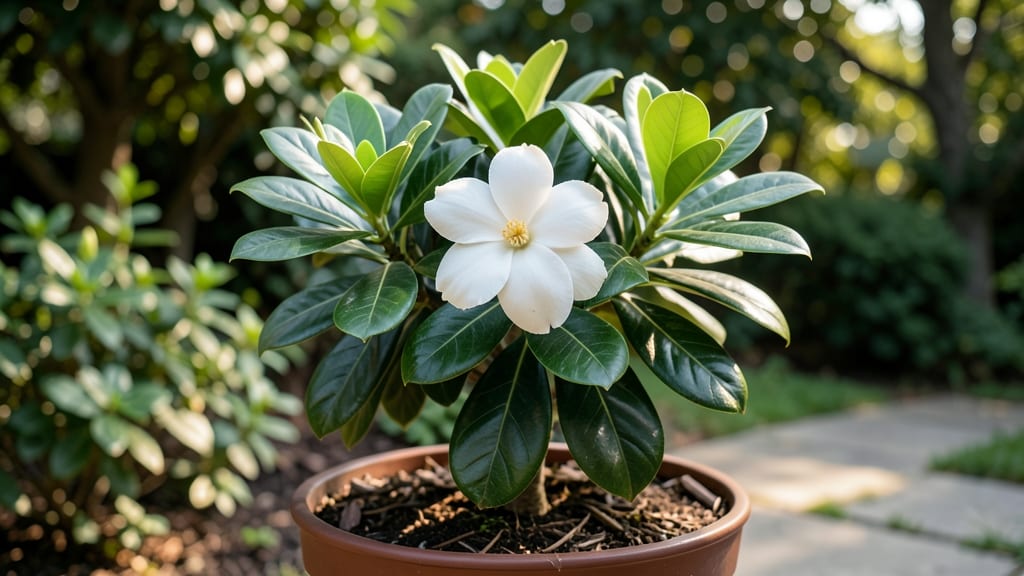
Gardenias are perennials in warm climates but often grown as annuals in colder regions, as they cannot survive frost. Their evergreen nature and slow growth make them long-lived shrubs when protected from freezing temperatures.
Whether gardenias thrive as perennials or annuals depends entirely on your climate. 🌿 In regions with mild winters (USDA zones 8-11), these fragrant shrubs can live for decades, growing steadily each season.
However, when temperatures drop below 30°F, frost damages their delicate foliage and roots, forcing gardeners in colder areas to treat them as annuals or take extra precautions. The key difference lies in their tropical origins—gardenias evolved in warm environments where frost never occurs.
For those in colder climates, the solution often involves bringing potted gardenias indoors before the first frost. I've found that using containers with excellent drainage and moving them to a sunny window or under grow lights during winter keeps them alive for years.
Some gardeners even try overwintering them in unheated garages with supplemental lighting, though this requires careful monitoring of humidity levels to prevent root rot.
💡 In This Article
- Gardenia Cold Hardiness and Frost Sensitivity
- Growing Gardenias Year-Round in Cold Climates
Gardenia cold hardiness and frost sensitivity
Gardenias (Gardenia jasminoides) originate from tropical and subtropical regions of Asia, where temperatures rarely drop below 50°F. Their frost sensitivity stems from their delicate cellular structure, particularly in the leaves and stems.
When exposed to 32°F or lower, ice crystals form within the plant's cells, rupturing membranes and causing irreversible damage. This is why gardenias in USDA zones 8-11 thrive as perennials—they've evolved without needing frost protection.
The roots are especially vulnerable, as they contain high concentrations of water that freezes easily. Even a light frost can kill the root system, preventing regrowth in spring. In contrast, gardenias in zones 7 and below must be treated as annuals unless overwintered indoors.
The leaves also suffer from frostbite, turning brown and crispy—a classic sign of cold damage that's often irreversible. 🌱 What's fascinating is how gardenias respond to temperature shifts: they begin flowering only when daytime temperatures consistently reach 70-80°F, a process triggered by specific hormonal changes.
USDA hardiness zones 8-11 provide the ideal climate for gardenias, where they can grow as perennials with minimal care. In these regions, gardenias naturally enter a semi-dormant state during mild winters, conserving energy while maintaining their evergreen foliage.
The key difference between perennial and annual growth lies in the plant's ability to recover from seasonal stress—gardenias in warm climates develop thicker cuticles and deeper root systems over time, making them more resilient to occasional cold snaps.
For gardeners in marginal zones (like zone 7b), the decision to treat gardenias as perennials or annuals often comes down to microclimate. A gardenia planted in a sheltered spot near a south-facing wall might survive winters with mulch protection, while one in an exposed area will likely succumb to frost.
The plant's natural growth habit—slow but steady—means it can take years to establish a robust root system, which is why young gardenias are particularly vulnerable to cold damage.
Interestingly, gardenias share this frost sensitivity with other tropical plants like hibiscus and plumeria, which also require protection in colder climates. The science behind this intolerance involves the plant's inability to produce antifreeze proteins, which many cold-hardy plants use to protect their cells during freezing temperatures.
Without these proteins, gardenias simply can't survive prolonged exposure to frost. 🌿 This biological limitation is why gardeners in colder regions must rely on cultural practices rather than natural hardiness to keep their plants alive.