
Container Gardens
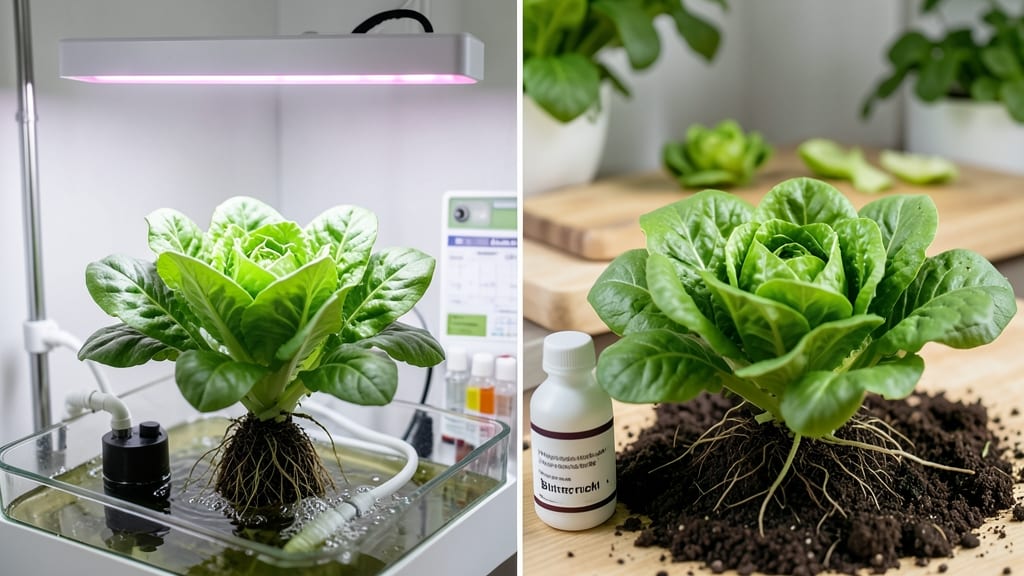
Hydroponic gardens are worth it for beginners who want to maximize yields in limited spaces, as they deliver up to 25% faster growth and 90% less water usage than soil gardening. That said, the higher upfront costs and technical learning curve may not pay off for casual gardeners focused on low-maintenance projects.
If you're working with limited space or want to grow more food per square foot, hydroponics delivers serious advantages. 🌱 The system's precision nutrient delivery means plants grow faster and produce higher yields—ideal for leafy greens and herbs.
However, the initial investment in equipment like grow lights and pumps can add up, and troubleshooting pH levels or nutrient imbalances requires patience. I've found that beginners often see the biggest payoff when focusing on compact, high-value crops like lettuce or basil, where the yield boosts justify the effort.
💡 In This Article
- How Hydroponics Maximizes Plant Growth and Efficiency
- Cost vs Yield: Hydroponic Setup Essentials for Small-Scale Beginners
How hydroponics maximizes plant growth and efficiency
The core advantage of hydroponics lies in its direct nutrient delivery system. Unlike soil gardening, where roots must search for nutrients through a complex microbial ecosystem, hydroponic plants receive precisely balanced minerals dissolved in water.
This eliminates nutrient competition and delivers essential elements like nitrogen, phosphorus, and potassium directly to roots at optimal concentrations. Studies show this method can reduce plant growth cycles by 20-30%—lettuce that takes 60 days in soil may mature in just 30-40 days hydroponically.
Root oxygenation is another game-changer. In soil, roots often compete for oxygen in compacted or waterlogged conditions, limiting growth. Hydroponic systems like nutrient film technique (NFT) or deep water culture (DWC) keep roots submerged in oxygen-rich water, which boosts metabolic activity by up to 50%.
You'll notice plants develop denser foliage and stronger stems—ideal for leafy greens like spinach or herbs such as basil. The water conservation benefit is equally impressive: a hydroponic system uses 90% less water than traditional gardening, since water circulates continuously rather than evaporating from soil.
This efficiency translates to higher yields per square foot. A 4'x4' hydroponic setup can produce the same amount of lettuce as a 200 sq ft soil garden, making it ideal for urban balconies or small apartments.
The controlled environment also eliminates soil-borne diseases and pests, reducing the need for pesticides. However, this precision comes with a learning curve—maintaining proper pH (5.5-6.5) and nutrient balance requires regular monitoring, which may feel overwhelming for beginners unfamiliar with hydroponic chemistry.
Consider the sensory differences too. Hydroponic greens often have a sweeter, more vibrant flavor because they're harvested at peak freshness. The texture remains crisp and tender, unlike soil-grown greens that can develop tough stems or bitterness from uneven watering.
For example, hydroponic basil retains its bright green color and aromatic oils longer than soil-grown varieties, which is why chefs and home cooks swear by it for pesto and Thai dishes.
What most people overlook is how hydroponics affects plant architecture. Without soil's physical resistance, roots grow differently, often developing more lateral branches that support denser foliage. This structural change allows for 3-4 times more plants per square foot compared to traditional gardening.
The trade-off? Some crops like tomatoes or peppers may require additional support structures to prevent sprawling, adding a layer of complexity for beginners.
For those prioritizing sustainability, hydroponics offers another advantage: waste reduction. The closed-loop systems recirculate water and nutrients, minimizing runoff that pollutes groundwater. Unlike soil gardening, where excess fertilizer can leach into local waterways, hydroponic setups contain all nutrients within the system.
This makes them particularly appealing for eco-conscious gardeners who want to minimize their environmental footprint while maximizing productivity.