
Container Gardens
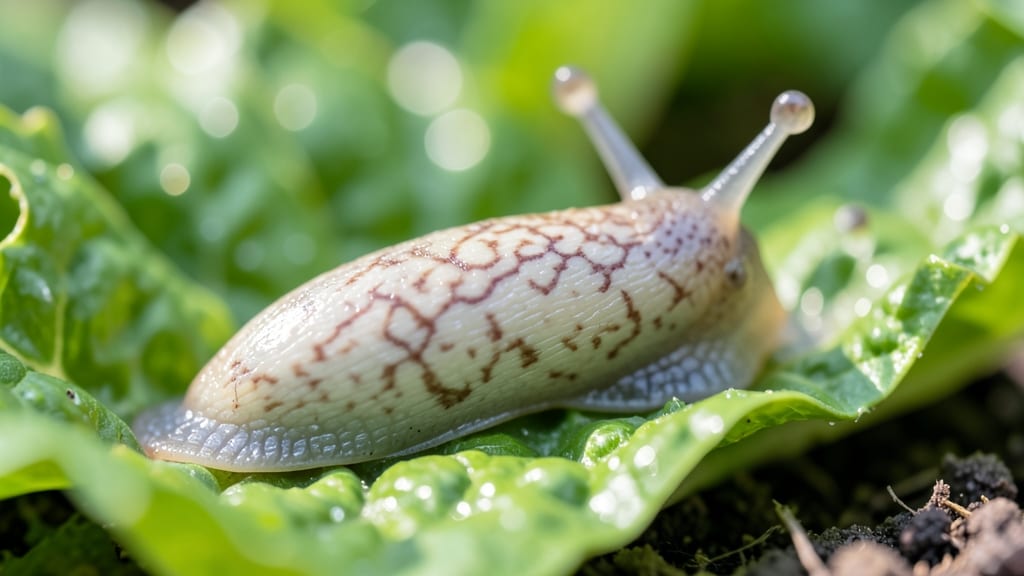
Slugs are bad for gardens because they devour young seedlings, leaves, and flowers, leaving behind irregular holes and slimy trails that damage plants like lettuce, hostas, and marigolds. Their nocturnal feeding can destroy crops overnight, making them a major pest for gardeners.
Slugs are especially destructive because they thrive in damp conditions, which means they multiply rapidly after rain or in shaded areas. 🌱 Their feeding habits don't just leave plants looking ragged—they can completely strip a young plant overnight, leaving gardeners frustrated and plants struggling to recover.
What's worse, their slimy trails can spread fungal diseases between plants, turning a simple pest problem into a full-blown garden health crisis.
These pests aren't picky eaters either. While they love tender leaves, they'll also attack fruits, vegetables, and even bark.
The damage often appears as irregular, jagged edges on leaves rather than the clean cuts you'd see from insects, making it easier to identify their work once you know what to look for.
💡 In This Article
- How Slugs Destroy Garden Plants and Recognize Their Damage
- Natural Slug Control Methods for Organic Gardens
How slugs destroy garden plants and recognize their damage
Slugs wreak havoc using their specialized feeding mechanism: a radula—a rasping tongue covered with thousands of tiny teeth that can shred plant tissue like sandpaper. 🌿 When they feed, they create irregular, jagged holes along leaf edges rather than the clean cuts made by insects.
This distinctive damage pattern often appears overnight, particularly on young seedlings where they can consume entire leaves, leaving only the tougher veins behind.
Their preference for tender, moisture-rich foliage makes plants like lettuce, hostas, and marigolds prime targets. Slugs also target fruits and vegetables, leaving behind telltale signs: silvery trails of mucus (their natural lubricant) that glisten in morning light, and plants that suddenly wilt or develop brown, ragged edges.
Unlike snails, which leave larger holes and often have a visible trail of slime, slugs are smaller and leave finer damage that's easier to miss until the damage is severe.
Seasonal patterns amplify their destruction. Slugs are most active during warm, humid nights—especially after rain when soil moisture rises. 🌧️ Their populations explode in shaded, damp areas where they can hide during the day under boards, rocks, or dense mulch.
This nocturnal behavior makes them particularly insidious, as gardeners often discover the damage long after the slugs have retreated to their hiding spots.
What makes slugs uniquely damaging is their ability to spread fungal spores through their slime trails. This slimy residue can harbor pathogens like Botrytis (gray mold), turning a simple pest issue into a full-blown plant disease.
The combination of direct feeding damage and disease transmission makes slugs one of the most destructive pests in organic gardens, where chemical controls aren't an option.
Recognizing slug damage early is key to prevention. Look for these signs: irregular holes in leaves, silvery slime trails on stems, and chewed seedlings that appear overnight. Unlike insect damage, slug feeding lacks the precision of clean cuts—it's messy, uneven, and often concentrated on the most vulnerable parts of plants.
Their impact isn't limited to aesthetics either. Heavy slug infestations can reduce plant vigor, stunt growth, and even kill young plants entirely by consuming their leaves faster than they can regenerate. In vegetable gardens, this means fewer harvests and wasted effort—making slug control a critical part of any gardening strategy.