
Tools
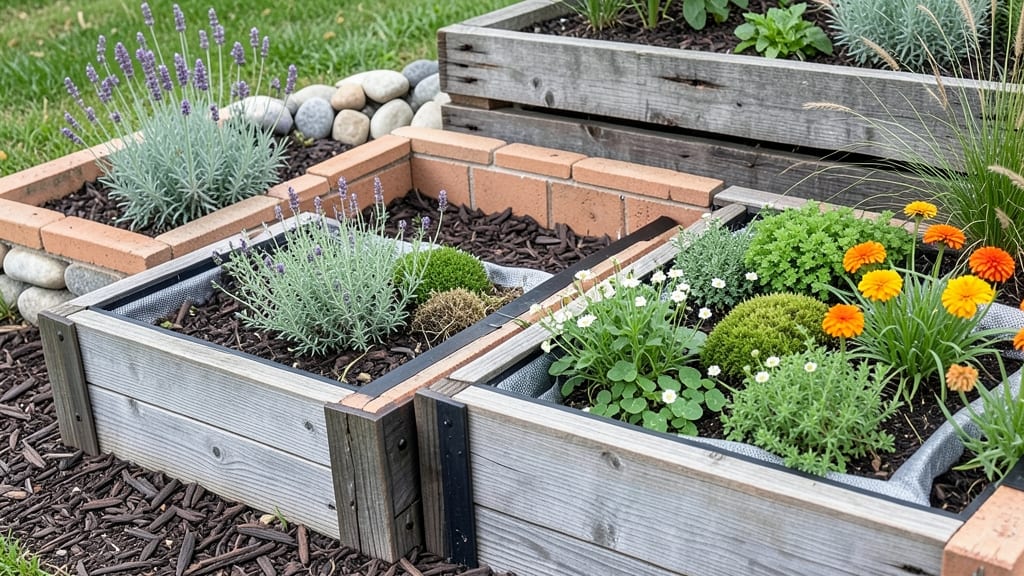
What to put around raised garden beds depends on your goals: use organic mulch like wood chips or straw to block weeds and retain moisture, or install durable edging with bricks, pavers, or metal to define borders and prevent soil erosion. Both options improve aesthetics while serving functional purposes.
When choosing materials, consider your garden's specific needs. Organic mulches like wood chips break down over time, enriching the soil with nutrients while suppressing weeds naturally. 🌿 For a more permanent solution, materials like bricks or natural stone create clean lines and resist shifting better than loose mulch.
I've found that pairing edging with mulch—like using pavers at the base and wood chips on top—gives the best of both worlds: weed control plus a polished look that lasts seasons. The key is balancing practicality with your garden's style, whether you prefer rustic charm or sleek modern lines.
For weed control, mulch is the easiest option to apply and maintain, while edging provides structure that keeps soil contained.
If you're dealing with aggressive weeds or pets that dig, edging becomes essential. 🌱 Remember that some materials, like untreated wood, may need occasional replacement, while others, like metal or concrete, offer long-term durability with minimal upkeep.
The right choice depends on how much time you're willing to invest in maintenance versus the long-term benefits you want.
💡 In This Article
- Best Mulch and Edging Materials for Raised Beds
- How to Install Raised Garden Bed Edging for Longevity
Best mulch and edging materials for raised beds
Organic mulches like wood chips or straw work by creating a physical barrier that blocks sunlight—something weeds need to grow. A 3-4 inch layer of wood chips suppresses weeds by 80-90% while retaining moisture by reducing evaporation.
The breakdown process also adds organic matter to the soil over time, improving fertility. Straw, with its coarse texture, allows better airflow to the soil, preventing fungal issues that can occur with dense mulches like grass clippings.
Inorganic edging materials like bricks or pavers serve a different purpose—they create a physical border that prevents soil from spilling out while adding structure. Bricks, for example, can be laid in a herringbone pattern for stability, while natural stone offers a rustic look that blends seamlessly with garden landscapes.
Metal edging, though less common, provides a sleek, modern appearance and resists rust if made from galvanized steel or aluminum. The key difference is that edging doesn't decompose, making it ideal for long-term solutions where mulch would need frequent replenishing.
Choosing between mulch and edging depends on your priorities. Mulch is ideal for gardens where aesthetics aren't the primary concern, and you want low-maintenance weed control. Edging, on the other hand, is perfect for formal gardens or high-traffic areas where you need a clean, defined border.
I've seen raised beds in urban settings use a combination of both—brick edging at the base with wood chips on top—for a polished look that still benefits from natural weed suppression.
Durability is another critical factor. Wood chips last 1-2 years before needing replacement, while bricks or pavers can last decades with minimal upkeep. For raised beds in windy areas, heavier materials like pavers or buried stones are essential to prevent shifting.
Mulch, however, is easier to replace and adjust seasonally, making it more flexible for smaller or temporary gardens. The trade-off is that mulch requires more frequent maintenance to maintain its effectiveness.
Consider the sensory experience too. Wood chips have a rich, earthy aroma that enhances the garden's natural feel, while bricks or pavers offer a clean, crisp appearance. Straw, with its golden hue, adds warmth to the garden bed, especially in cooler climates.
The choice often comes down to personal preference—whether you prefer the organic, living look of mulch or the structured elegance of edging.
For maximum effectiveness, pair mulch with edging. A 2-inch deep trench filled with landscape fabric before adding mulch prevents weeds from growing up through the mulch layer. This combination creates a nearly impenetrable barrier for weeds while keeping the soil contained and visually appealing.
The result is a garden bed that looks intentional and requires minimal upkeep throughout the growing season.