
Container Gardens
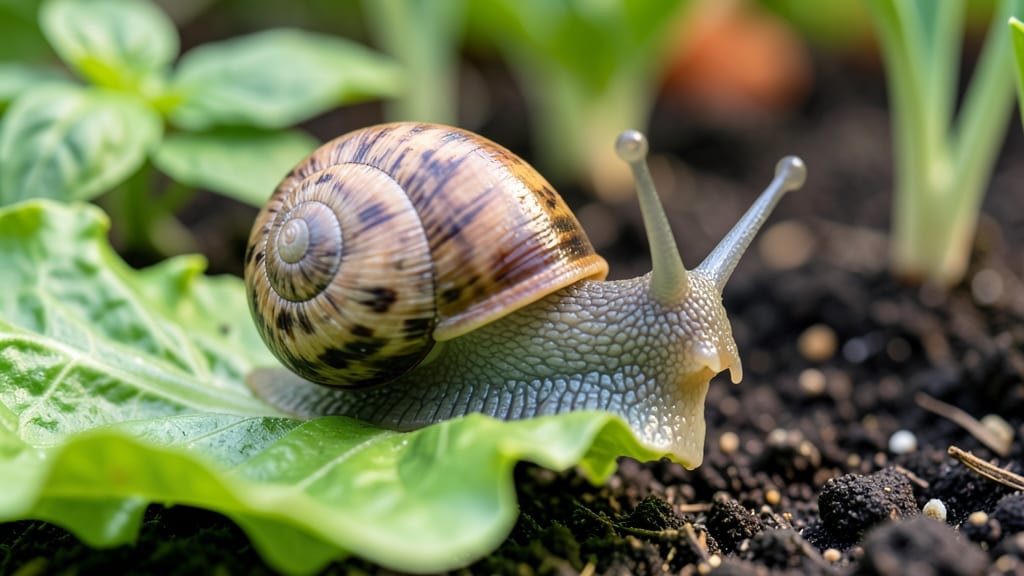
Snails are good for gardens because they decompose organic matter, enriching soil with nutrients as they break down dead leaves, plant debris, and compost. Their natural grazing also helps control weeds and pests like slugs, though they may damage young plants or tender foliage in excess.
These small creatures act like natural recyclers, turning garden waste into nutrient-rich fertilizer as they feed. 🌱 Their presence often signals a healthy ecosystem, as they work alongside earthworms to improve soil aeration.
While they may munch on seedlings, their benefits usually outweigh the risks for established gardens. The key is balancing their numbers—too few means missed pest control, while too many can become a nuisance.
For gardeners, this means you don't need to eliminate snails entirely. Instead, focus on creating a balanced environment where their benefits are maximized. Simple adjustments like removing hiding spots (like thick mulch) or using natural deterrents can help maintain this equilibrium.
Their role in breaking down organic matter alone makes them a valuable addition to most garden ecosystems.
💡 In This Article
- How Snails Contribute to Soil Health and Ecosystem Balance
- Managing Snail Populations for a Healthy Garden
How snails contribute to soil health and ecosystem balance
Snails play a crucial role in nutrient cycling by acting as natural composters. Their saliva contains enzymes that break down cellulose—a primary component of plant debris—into simpler compounds.
When they feed on dead leaves, fallen flowers, or compost piles, they physically shred the material while their digestive system converts it into nutrient-rich excretions. These droppings, called "castings," contain elevated levels of nitrogen, phosphorus, and potassium, which are essential for plant growth.
In fact, studies show snail castings can increase soil fertility by up to 30% compared to untreated soil.
Their grazing habits also create micro-habitats that improve soil structure. As snails move through the garden, they aerate compacted soil by creating small tunnels and pathways.
This process mimics the work of earthworms but on a finer scale, allowing water and air to penetrate deeper into the soil. 🌱 Their presence often indicates a healthy ecosystem because they interact with beneficial fungi and bacteria.
For example, snails help spread mycorrhizal fungi spores, which form symbiotic relationships with plant roots, enhancing nutrient absorption. However, their impact varies by species—land snails like Cornu aspersum are more effective decomposers than aquatic species.
While snails contribute to pest control by preying on smaller insects and competing with slugs for food, their feeding habits can become problematic for young plants. They prefer tender shoots and leaves, which can stunt growth or create unsightly holes.
The key difference lies in their diet: snails primarily consume decaying organic matter, whereas slugs (their close relatives) target living plants. This distinction means snails are more beneficial in established gardens where their composting outweighs their grazing, but less desirable in seedling beds or vegetable patches.
Seasonal variations also affect their role. During warm, humid months, snail populations explode, increasing both their benefits and drawbacks. Their activity peaks at night when moisture levels are high, which is why you'll often find them near water sources or shaded areas.
In drier conditions, they retreat into hiding spots, reducing their impact on both soil health and plant damage. This seasonal behavior makes them a dynamic part of the garden ecosystem rather than a static one.
To maximize their benefits, consider their natural behaviors. For instance, placing compost piles or leaf litter near garden beds encourages snails to decompose waste in situ, keeping nutrients closer to plant roots. Their presence also deters some pests—like aphids—because snails compete for the same food sources.
However, their effectiveness depends on maintaining a balance: too many snails can lead to over-grazing, while too few may leave organic matter to accumulate and decompose slowly.
One often-overlooked aspect is their role in seed dispersal. As snails move through gardens, they inadvertently transport seeds from one location to another via their slime trails.
This natural process can help spread beneficial plants while also introducing potential weeds. The trade-off is worth considering when evaluating their overall impact on garden health.
Ultimately, snails serve as nature's recyclers, turning garden waste into valuable soil amendments while contributing to a balanced ecosystem. Their benefits are most apparent in established gardens where their composting outweighs their occasional plant damage. 💫