
Vegetables
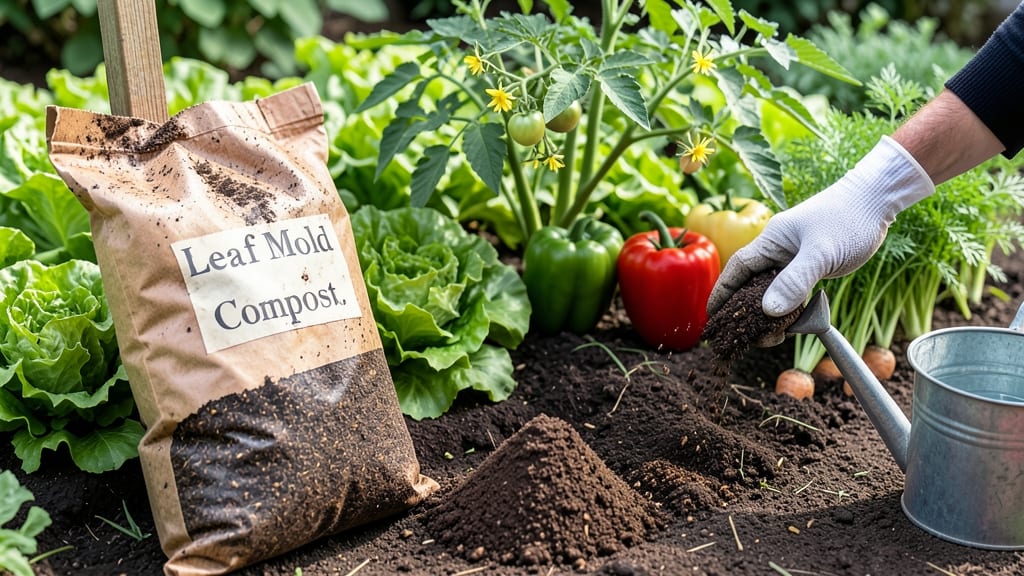
Leaf compost is good for vegetable gardens when properly aged, enriching soil with organic matter and nutrients like potassium while improving moisture retention. However, fresh leaves can deplete nitrogen and introduce weed seeds if not fully decomposed.
Leaf compost becomes a powerhouse for vegetable gardens once it's fully decomposed, breaking down into a nutrient-rich humus that mimics nature's own soil-building process. 🌱 The key lies in its potassium content, which supports root development and fruit production, while the improved soil structure helps retain moisture—critical for drought-prone vegetable crops.
But here's the catch: fresh leaves create an imbalance by consuming nitrogen as they decompose, which can stunt plant growth if not properly balanced with nitrogen-rich amendments like manure or coffee grounds.
To maximize benefits, I recommend using leaf compost that's been cured for at least 6 months to a year. This ensures weed seeds have died and nitrogen levels stabilize.
For immediate results, mix it with equal parts nitrogen sources and spread a thin layer over the soil surface rather than piling it high, which can suffocate plant roots.
💡 In This Article
- How Leaf Compost Enhances Soil for Vegetable Growth
- When to Use Leaf Compost and How to Avoid Common Pitfalls
How leaf compost enhances soil for vegetable growth
Leaf compost transforms garden soil through a natural process called humification, where complex organic matter breaks down into stable humus. This humus acts like a sponge, holding 3-4 times its weight in water while improving soil aeration—critical for vegetable roots that need both oxygen and moisture.
The decomposition process also releases potassium (up to 2-3% by weight in mature compost), which strengthens cell walls and boosts fruit production in tomatoes, peppers, and squash.
The magic happens through microbial activity: beneficial bacteria and fungi decompose leaf litter, converting it into a nutrient-dense soil amendment. During early stages, carbon-rich leaves consume nitrogen as microbes break them down—a process called "immobilization" that can temporarily starve plants.
But once fully decomposed (typically 6-12 months), the compost becomes a nitrogen-neutral or even slightly nitrogen-positive amendment, unlike fresh leaves which can create a 1:30 carbon-to-nitrogen ratio—far too high for healthy plant growth.
What makes leaf compost particularly valuable is its ability to improve soil structure. The fibrous texture of decomposed leaves creates pore spaces that enhance drainage while retaining moisture—ideal for vegetables like lettuce and carrots that prefer consistently damp but not waterlogged conditions.
Studies show soil amended with leaf compost can hold 20% more water than unamended soil, reducing irrigation needs by 30-40% during dry spells.
One often-overlooked benefit is the suppression of harmful pathogens. The high temperatures (130-160°F) generated during active composting kill weed seeds and many soil-borne diseases, making leaf compost a safer alternative to fresh mulch.
However, this only works if the compost pile reaches these temperatures consistently—something that requires proper aeration and moisture control during the decomposition process.
For vegetable gardens, the ideal application rate is 1-2 inches of finished leaf compost mixed into the top 6 inches of soil. This depth allows roots to access nutrients while preventing compaction.
The dark, crumbly texture of well-aged leaf compost also makes it easier for earthworms to tunnel through, further improving soil structure—something gardeners will notice through healthier, more vigorous plant growth and reduced need for synthetic fertilizers.
Think of leaf compost as nature's way of recycling nutrients back into the soil ecosystem. When properly managed, it doesn't just feed plants—it creates an environment where beneficial microbes thrive, creating a self-sustaining cycle that supports vegetable growth season after season. 🌱