
Pests
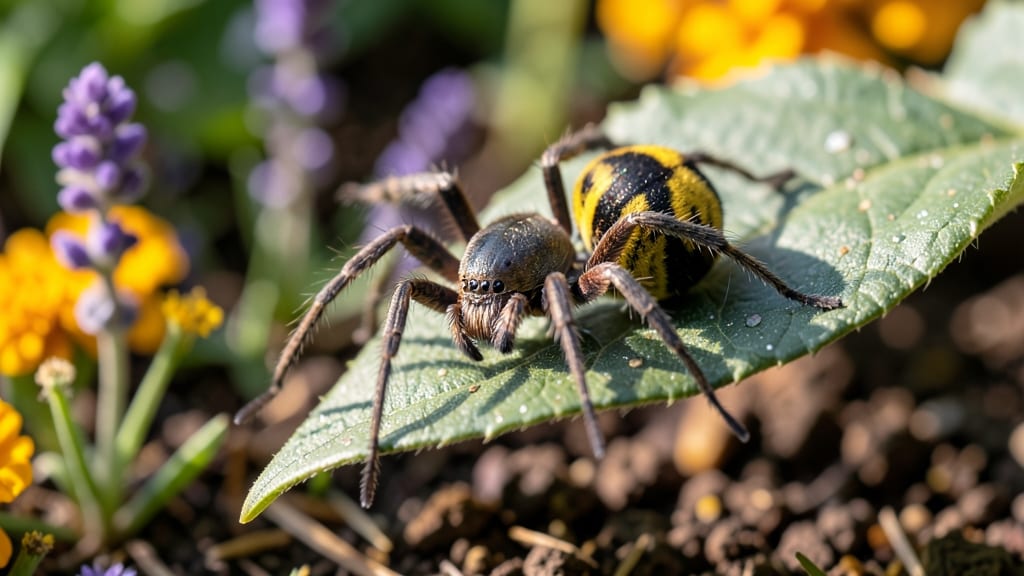
Spiders are beneficial in the garden because they act as natural pest controllers, eating harmful insects like aphids, caterpillars, and mites that damage plants. Their presence helps maintain a balanced ecosystem and cuts down on the need for chemical pesticides.
Spiders play a crucial role in keeping your garden thriving by targeting pests that would otherwise wreak havoc on your plants. 🌿 Unlike many insects, they specifically hunt those that chew leaves or suck plant juices, leaving beneficial pollinators like bees and butterflies untouched.
What's fascinating is how different spider species specialize—some build webs to catch flying insects, while others stalk their prey on the ground. This diversity makes them an effective, all-natural defense system that works around the clock without any effort from you.
What many gardeners don't realize is that spiders actually contribute to long-term soil health too. When they consume pests, their waste returns nutrients to the soil, creating a self-sustaining cycle.
The key is to create an environment where they'll naturally thrive—like providing hiding spots with rocks or logs and avoiding harsh pesticides that could harm them. Think of them as your garden's silent security team, working tirelessly to keep everything in balance.
💡 In This Article
- How Spiders Naturally Regulate Garden Pests
- Encouraging Spider Populations in Your Garden
How spiders naturally regulate garden pests
Spiders employ a variety of hunting strategies that make them incredibly efficient at controlling garden pests. Orb-weaver spiders, for instance, construct intricate webs that can trap flying insects like moths and flies—some webs are strong enough to capture prey weighing up to 10 times their own body weight.
Meanwhile, jumping spiders use their exceptional vision (with up to 12 eyes) to stalk and pounce on pests like aphids and caterpillars, often injecting venom that immobilizes prey instantly. This precision hunting ensures they target only harmful insects while leaving pollinators like bees and butterflies unharmed.
Their impact on garden health goes beyond just catching pests. Studies show that a single garden can support thousands of spiders during peak seasons, collectively consuming 800 million tons of insects annually worldwide. For example, a 10-square-meter garden might host 500-1,000 spiders, which could eliminate 5,000-10,000 pests per week.
Their presence disrupts pest life cycles by reducing populations before they can cause significant damage to plants, creating a natural form of biological control that's far more sustainable than chemical interventions.
What's particularly fascinating is how spiders contribute to plant resilience. When they feed on sap-sucking pests like mites or leaf-eating caterpillars, they prevent the stress responses in plants that often make them more vulnerable to diseases. This indirect protection helps maintain the overall vigor of your garden's ecosystem.
Unlike many beneficial insects that have specific dietary needs, spiders are generalist predators, meaning they adapt to whatever pests are most abundant in your garden at any given time.
Different spider species play distinct roles in this ecosystem. For example, wolf spiders are ground-dwellers that hunt at night, targeting soil-dwelling pests like cutworms and beetle larvae.
Meanwhile, crab spiders ambush prey from flowers, often blending in with petals to catch pollinating insects that might become pests if their populations grow unchecked. This specialization ensures comprehensive pest control across all garden levels—from soil to foliage to air.
Perhaps most importantly, spiders serve as an early warning system for gardeners. A sudden decline in spider populations often signals an ecological imbalance, possibly due to overuse of pesticides or environmental changes.
Their presence is a visible indicator that your garden's natural defenses are functioning properly, creating a self-regulating system that requires minimal human intervention.
Consider this: a single orb-weaver spider can consume 1,000 aphids in its lifetime, while a garden with diverse spider species might eliminate 90% of soft-bodied pests without any chemical assistance. This makes them one of nature's most effective—and underappreciated—pest control solutions.