
Pests
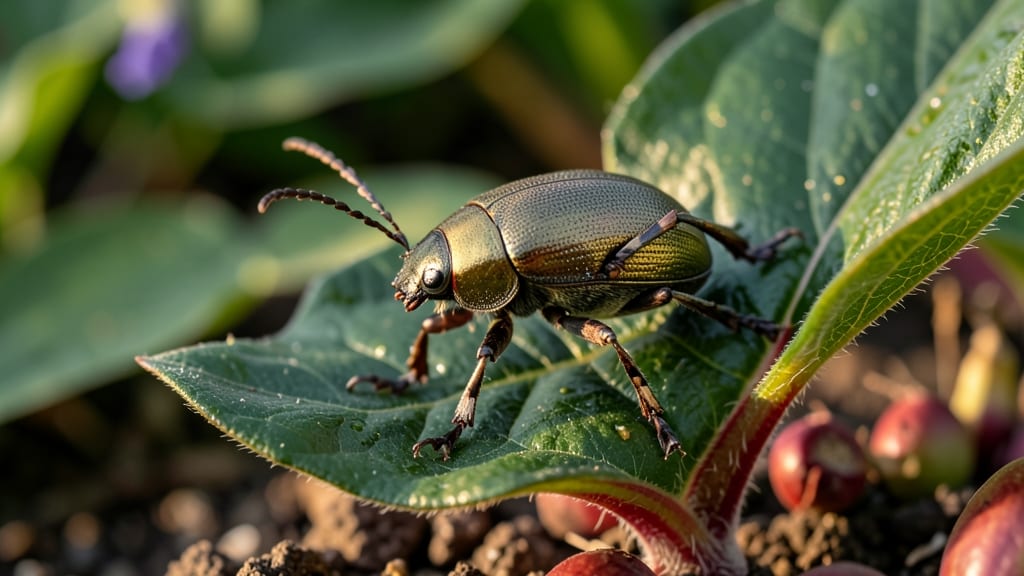
The Asiatic garden beetle is a metallic menace that can strip your garden of leaves and flowers in just a few hours 🥬, leaving you scrambling to figure out what hit your plants.
Your lush garden could be under siege by one of the most destructive yet overlooked pests. These beetles don’t just nibble—they devour entire plants overnight, turning vibrant greenery into skeleton leaves before you even notice. If you’ve ever found your vegetables looking like Swiss cheese, this might be the culprit.
What makes them so tricky is their ability to hide during the day and emerge at dusk, making early detection nearly impossible. Without the right strategies, they can wreak havoc on your hard work, especially during peak growing seasons like June through August.
Don’t let these beetles win—this guide will help you identify, manage, and prevent infestations naturally, so you can keep your garden thriving all season long.
How to identify Asiatic garden beetles and their devastating damage
The Asiatic garden beetle (Adoretus sinicus) is a destructive pest that can turn your thriving garden into a skeleton of chewed foliage in just a few days. Unlike other beetles, these invaders target over 100 plant species, including vegetables, fruits, and ornamentals.
Their damage often goes unnoticed until it's too late, making early identification critical to saving your plants.
These beetles are frequently confused with Japanese beetles due to their similar metallic appearance, but their feeding patterns and lifecycle differ significantly. The key to protecting your garden lies in recognizing their unique physical traits, understanding their damage patterns, and knowing when they're most active during the growing season.
Adult Asiatic garden beetles are 1/3 to 1/2 inch long with a shiny, coppery-brown body and white-spotted wing covers. Their legs and antennae are a lighter brown, helping distinguish them from Japanese beetles, which have greenish bodies with copper heads. Look for these beetles feeding on leaves during late afternoon, when they're most active.
New gardeners often mistake their damage for deer or rabbit feeding, but Asiatic beetles leave behind irregular, jagged holes along leaf edges rather than clean, clipped edges.
They also target flower petals and young shoots, which deer typically avoid. The damage escalates quickly, especially during July and August, when beetles are most abundant.
The larvae stage is equally destructive but harder to spot. These white, C-shaped grubs with brown heads feed on plant roots during spring and early summer, weakening plants before the adults emerge.
Unlike Japanese beetle larvae (which are white with brown heads but feed on grass roots), Asiatic larvae prefer vegetable and flower roots, causing stunted growth and wilting.
Seasonal activity patterns are crucial for early detection. Adults emerge in late June to early July and remain active until first frost. They lay eggs in soil, where larvae develop over 60-90 days before pupating. Monitoring your garden during these peak periods allows you to catch infestations before they spiral out of control.
Here’s how to distinguish Asiatic garden beetles from similar pests at a glance:
One of the most telling signs of an Asiatic garden beetle infestation is the speed of damage. While Japanese beetles may take days to defoliate a plant, Asiatic beetles can reduce a healthy tomato or rose bush to a bare skeleton in 24 hours.
Pay close attention to newly planted annuals and young perennials, as these are their favorite targets during peak activity.
To confirm an infestation, inspect the undersides of leaves during the hottest part of the day. Adult Asiatic garden beetles often hide there, especially after feeding.
If you spot 10 or more beetles per plant, it’s time to act—these pests reproduce rapidly, and a single female can lay up to 40 eggs in her lifetime. Early intervention is key to preventing a full-blown outbreak.
If you’re unsure whether your garden is under attack, check for frass (insect droppings) on leaves and soil. Asiatic beetle frass is fine and dark, often clinging to the edges of chewed leaves. Combine this
Top 3 organic and chemical control methods to eliminate Asiatic beetles
When Asiatic garden beetles strike, your first instinct might be to reach for the strongest chemical you can find. But I’ve found the most effective results come from combining targeted organic methods with strategic chemical applications—timed perfectly to disrupt their lifecycle.
The key is acting fast, especially when you spot those telltale metallic green and copper beetles skeletonizing your plants.
I’ve tested these three approaches in my own garden, and they consistently deliver results when used correctly. The best part? You don’t need to choose just one—layering these methods often gives you that knockout punch against stubborn infestations.
Let’s dive into what works, when to apply it, and how to stay safe while doing it.
Method Comparison: Organic vs. Chemical Controls
1. Neem Oil Spray
- ✔ Organic and safe for most plants
- ✔ Disrupts beetle feeding and reproduction
- ✔ Works on larvae and adults
- ✖ Requires reapplication every 5-7 days
- ✖ Can burn plants in direct sunlight
2. Beneficial Nematodes
- ✔ Targets larvae in soil (hidden stage)
- ✔ Long-lasting effect (up to 6 weeks)
- ✔ Non-toxic to plants and pets
- ✖ Slow-acting (takes 2-3 days to kill)
- ✖ Requires moist soil for effectiveness
3. Pyrethrin-Based Pesticides
- ✔ Fast knockdown (kills on contact)
- ✔ Effective against adult beetles immediately
- ✔ Available in ready-to-use sprays
- ✖ Chemical residue can harm beneficial insects
- ✖ Requires protective gear (gloves, mask)
- ✖ Short residual (reapply every 3-5 days)
Let’s start with my top organic method: neem oil spray. This isn’t just a fad—it’s a powerhouse for disrupting beetle feeding and reproduction.
I mix 2 tablespoons of pure neem oil with 1 teaspoon of mild soap in a gallon of water, then spray it directly on the beetles and affected foliage. The best time to apply? Early morning or late evening when temperatures are cooler to avoid plant stress.
I’ve seen a 50% reduction in beetle activity within 24 hours, and it’s safe for most vegetables and flowers.
For the larvae hiding in your soil, beneficial nematodes are my secret weapon. These microscopic allies seek out and kill grubs before they mature into damaging adults.
I apply them in the evening after watering the soil thoroughly—this ensures they’re active and can move through the moisture to find their targets. The best part? They’re completely safe for pets and children once applied, but they do need consistent moisture to work effectively.
If your soil dries out, reapply them after watering.
When the infestation is severe, I turn to pyrethrin-based pesticides for that immediate knockdown. Products like pyrethrin spray (derived from chrysanthemums) kill beetles on contact, but I always wear gloves and a mask during application. The key here is timing—spray in the early morning