
Watering
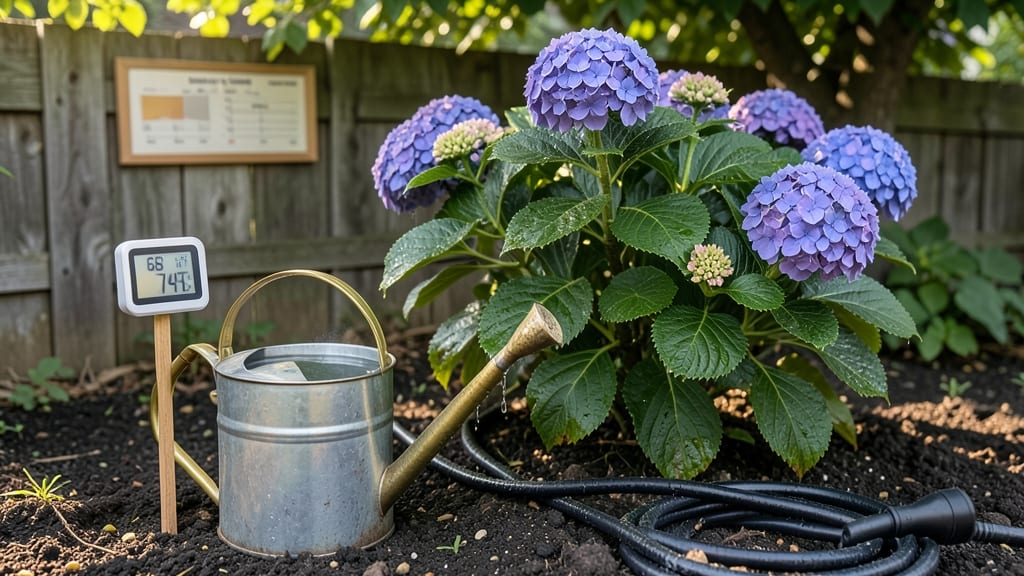
Watering your garden in the morning or evening makes a surprising difference in how healthy your 🌱 plants stay—and which time you choose depends on more than just convenience.
Picture this: You’ve just spent an hour weeding and mulching, only to wonder, Did I water at the right time? The truth is, the clock on your watering can might be costing you stronger roots, fewer pests, or even saving you from fungal nightmares.
Science shows that timing isn’t just about when you can water—it’s about when your plants need it most.
Morning watering keeps leaves dry longer, cutting down on mildew, while evening watering can help parched roots recover before the heat of the day. But throw in humidity, soil type, or even your local last frost date (like April 15 in Zone 6a), and the "best" time shifts.
Here’s how to match your watering schedule to your garden’s unique needs—and why guessing won’t cut it.
You’ll learn the science-backed rules for different plant families, how to spot overwatering (yes, it’s a real problem), and the one trick that slashes evaporation by 40%**. No more second-guessing—just healthier plants with less effort.
Morning vs evening watering: how climate and plant type decide the winner
Deciding whether to water your garden in the morning or evening isn’t just about convenience—it’s about maximizing plant health and efficiency. Morning watering allows roots to absorb moisture before the sun intensifies, while evening watering can reduce evaporation but risks fungal growth.
The best choice depends on your climate, plant types, and even your local humidity levels. Let’s break down the science so you can make the most informed decision for your garden.
In arid climates, like those in the Southwest U.S., morning watering is almost always the winner. The high evaporation rates during the day mean water disappears faster, wasting resources and leaving roots thirsty.
Meanwhile, humid climates, such as the Southeast, often favor evening watering because the cooler temps slow evaporation, and the air’s moisture helps plants recover overnight. But even in humid areas, timing matters—watering too late can trap moisture on leaves, inviting fungal diseases like powdery mildew.
Your plant types also play a critical role. Succulents and drought-tolerant plants, like lavender or cacti, thrive with morning watering because they’re adapted to store water and hate soggy roots.
On the other hand, leafy greens, such as lettuce or spinach, benefit from evening watering in cooler climates because their broad leaves can dry quickly, reducing the risk of rot. Understanding these nuances ensures your watering schedule aligns with your garden’s unique needs.
Here’s a quick comparison to help you visualize the differences:
The ideal watering time also shifts with the seasons. In summer, when temperatures soar, morning watering (between 6 AM and 10 AM) is your best bet, especially in dry regions. This gives roots time to soak up moisture before the sun peaks.
Conversely, in spring or fall, evening watering (after 6 PM) can work well in cooler, wetter climates, as the risk of evaporation drops and plants can recover overnight.
For container gardens, the rules are slightly different. Potted plants dry out faster, so morning watering is often better regardless of climate. The smaller soil volume means moisture evaporates quicker, and roots need consistent hydration.
If you’re using self-watering pots, evening watering might still be an option, but monitor soil moisture closely to avoid overwatering.
One of the biggest mistakes gardeners make is ignoring their local microclimate. A shady corner of your yard might benefit from evening watering, while a sunny patio could dry out plants if watered at night.
Pay attention to how your plants respond—wilting leaves or yellowing foliage can signal overwatering or underwatering, depending on the timing. Adjust your schedule based on these visual cues.
If you’re still unsure, try a split-test approach: water half your garden in the morning and the other half in the evening for a few weeks. Compare the growth, leaf health, and overall vitality.
You’ll quickly see which timing works best for your specific soil type, plant varieties, and weather patterns. Over time, you’ll develop a routine that feels effortless and yields the best results.
Remember, the goal is to mimic nature as closely as possible. Most plants in the wild receive water through morning dew or evening rains, not midday downpours. By aligning your watering schedule with these natural rhythms, you’ll support healthier roots, fewer pests, and a more resilient garden.
Your plants will thank you with lush growth and vibrant blooms!
Science-backed best practices for watering timing by plant family
Not all plants thrive on the same watering schedule—what works for your tomatoes might stress your lavender. Understanding your plants' natural hydration cycles helps you water efficiently while preventing root rot or drought stress.
For example, leafy greens like spinach need consistent moisture, while succulents prefer deep but infrequent watering. Let’s break down the science-backed timing for common plant families.
Morning watering (before 10 AM) gives roots time to absorb moisture before the heat of the day, while evening watering (after 6 PM) reduces evaporation but can increase fungal risks. The best time depends on your climate and the plant’s native environment.
For instance, Mediterranean herbs like rosemary and thyme thrive with morning watering, while tropical plants like impatiens benefit from evening hydration in hot climates.
| Plant Family | Best Watering Time | Frequency | Notes |
|---|---|---|---|
| Vegetables (Tomatoes, Peppers, Cucumbers) | Morning (6-9 AM) | Daily (1-2 inches) | Deep watering prevents blossom-end rot |
| Herbs (Basil, Mint, Parsley) | Evening (6-8 PM) | Every 2-3 days | Avoid wetting leaves to prevent mildew |
| Flowers (Roses, Lavender, Petunias) | Morning (7-9 AM) | Every 3-5 days | Mulch retains moisture for drought-tolerant types |
| Lawns (Cool-Season Grasses) | Early Morning | 1-1.5 inches per week | Water deeply to encourage deep roots |
| Succulents & Cacti | Late Morning (10 AM-12 PM) | Every 2-4 weeks | Soak thoroughly, then let soil dry completely |
For vegetables like tomatoes and peppers, morning watering is ideal because it mimics their natural growing conditions in tropical climates. These plants need consistent moisture to prevent cracking and blossom-end rot, but they also thrive with airflow to reduce fungal diseases.
Water at the base (not overhead) to keep foliage dry, which is especially critical in humid climates.
Herbs like basil and cilantro prefer evening watering in hot regions because it reduces water loss from evaporation. However, avoid wetting the leaves of herbs like mint or parsley, as excess moisture can promote fungal growth.
Instead, use drip irrigation or water at the soil line. For drought-resistant herbs like rosemary or thyme, morning watering is better to allow the soil to dry out between sessions.
When it comes to flowers, timing depends on their origin. Native wildflowers (like coneflowers) often prefer morning watering, while tropical blooms (like impatiens) may need evening hydration. Always water deeply but infrequently for perennials like lavender—overwatering can kill these Mediterranean plants.
For annuals, follow the soil moisture test: Stick your finger 1-2 inches into the soil; if it’s dry, it’s time to water.
Your lawn and ground covers also have specific needs. Cool-season grasses (like fescue) benefit from early morning watering to reduce fungal diseases like brown patch. Warm-season grasses (like Bermuda) can handle evening watering but still need deep, infrequent sessions to develop strong roots.
Always water early enough to avoid overnight moisture on blades, which invites disease.
Pro tip: Adjust your schedule based on weather conditions. During heatwaves, water more frequently but in shorter sessions to prevent runoff. In cooler months, reduce frequency but increase depth. And remember—mulch is your best friend.
A 2-3 inch layer of organic mulch (like straw or wood chips) retains moisture, regulates soil temperature, and reduces evaporation, giving you more flexibility with timing.