
Vegetables
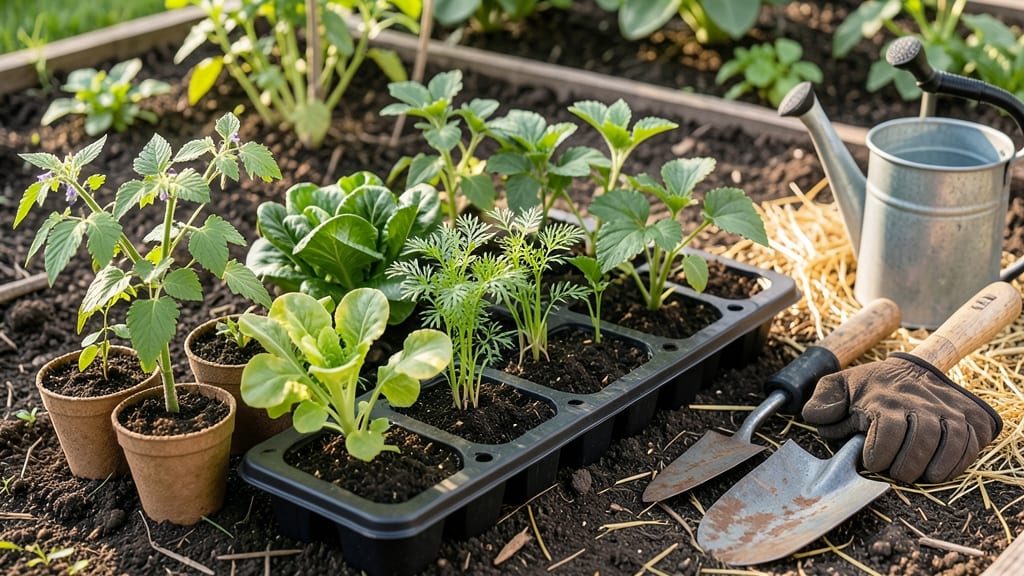
Planting a vegetable garden at the best time means the difference between a thriving harvest and a sad, wilted pile of seeds 🌱—and getting it wrong can cost you months of effort.
Timing your vegetable garden planting wrong can mean wasted seeds, stunted growth, or even total crop failure—but getting it right unlocks bountiful harvests year after year. The best planting times vary wildly between cool-season greens and heat-loving tomatoes, and one wrong move can cost you months of effort.
Cool-season crops like kale and peas thrive when the soil is still chilly, while tomatoes and peppers need the warmth of summer to take off. Missing the window for either can leave you with underwhelming yields or, worse, no harvest at all.
In this guide, I’ll break down the exact planting windows for your USDA zone, how to adjust for early spring vs. late summer starts, and the simple tricks to extend your growing season—so you can enjoy fresh veggies from spring through fall.
Cool-season vegetables: optimal planting times by US Hardiness Zone
Cool-season vegetables like kale, spinach, and broccoli thrive when temperatures dip below 80°F, making early spring and fall the perfect planting windows. Unlike heat-loving crops, these frost-tolerant greens can handle light frosts and even 32°F temperatures, giving you two harvests per year.
But timing matters—plant too early, and seeds rot in cold soil; too late, and bolting (premature flowering) ruins your crop.
Your USDA Hardiness Zone dictates the exact planting window, but a general rule is to start seeds 4-6 weeks before your last expected frost date. For example, in Zone 5, that’s typically March-April, while Zone 9 gardeners might plant in September-October for a fall harvest.
Soil temperature is just as critical as air temperature—most cool-season crops need soil at least 40°F to germinate.
Here’s how to align your planting schedule with your zone for maximum success:
| USDA Zone | Best Planting Window | Soil Temp Threshold (°F) | Key Crops | Succession Tip |
|---|---|---|---|---|
| Zones 3-4 | Late April–early May (spring) / August (fall) | 40–45°F | Peas, spinach, kale, broccoli | Plant every 2 weeks until June 1 |
| Zones 5-6 | Mid-March–April (spring) / July–August (fall) | 45–50°F | Lettuce, Swiss chard, radishes, cabbage | Use row covers for early starts |
| Zones 7-8 | February–March (spring) / September–October (fall) | 50–55°F | Brussels sprouts, carrots, beets, peas | Plant fall crops by September 1 |
| Zones 9-10 | October–November (fall) / January (winter) | 55–60°F | Arugula, bok choy, mustard greens, turnips | Irrigate lightly during dry winters |
In Zones 3-4, where winters are harsh, focus on spring planting after the last frost but before soil warms above 70°F. Peas and spinach can handle cooler temps, while broccoli and cabbage need consistent moisture.
For a fall harvest, aim to plant by August so crops mature before the first frost. Use row covers to extend the season by 2-3 weeks.
Gardeners in Zones 5-6 enjoy longer growing seasons but must act quickly. Start seeds indoors 6 weeks before the last frost for transplants ready by mid-April.
For fall, plant late July for a harvest before winter sets in. Succession planting every 2 weeks ensures a steady supply of leafy greens like lettuce and Swiss chard.
Warmer Zones 7-8 allow for two full harvests per year. Plant Brussels sprouts and carrots in early spring and again in late summer for a fall crop. Soil temperatures here can climb quickly, so prioritize shade cloth for delicate greens like arugula during heatwaves.
Fall planting should wrap up by September 1 to avoid bolting.
In Zones 9-10, cool seasons are mild, but winter planting is key. Crops like bok choy and mustard greens thrive in 55–60°F soil and can be harvested even in December.
Use drip irrigation to prevent soil from drying out during dry winters. For spring, start seeds in January for early harvests.
Pro tip: Always check your local frost dates—they can vary by 1-2 weeks even within the same zone. For example, Denver (Zone 5) might have a later last frost than Chicago (also Zone 5).
Use a soil thermometer to confirm temperatures before planting. And remember, succession planting is your secret weapon for nonstop harvests!
🌱
Heat-loving crops: when to plant tomatoes, peppers, and more for maximum growth
If you're dreaming of juicy tomatoes and spicy peppers, timing is everything—these crops demand warmth to thrive. Planting too early can trigger bolting or blossom-end rot, while waiting too long might leave you with stunted plants. The key is understanding your last frost date and soil temperature thresholds.
For most USDA zones, tomatoes, peppers, and eggplants should go into the ground 2-4 weeks after your last frost, when soil temps hit at least 60°F (15°C).
In colder regions (Zones 1-4), you might need to start seeds indoors 6-8 weeks before transplanting or use row covers to warm the soil faster.
- 1. Wait for soil warmth: Use a soil thermometer to confirm temps are 60°F+ at least 6 inches deep. Cold soil delays growth and invites disease.
- 2. Harden off seedlings: If starting indoors, acclimate plants to outdoor temps over 7-10 days before transplanting to avoid shock.
- 3. Adjust for your zone:
- Zones 5-7: Plant late May-early June
- Zones 8-10: Start March-April (earlier in Southern regions)
- 4. Warm the soil faster: Use black plastic mulch or straw bales 1-2 weeks before planting to raise temps by 5-10°F.
- 5. Avoid nighttime planting: Transplant in morning or late afternoon to reduce stress from midday heat.
Southern gardeners (Zones 8-10) have an advantage—they can plant as early as February in some areas, but watch for heat stress if temps exceed 90°F (32°C). In these regions, succession planting every 2-3 weeks ensures a continuous harvest.
Common mistakes like planting too deep (bury stems) or ignoring water consistency can derail growth. Always water deeply 1-2 times per week and mulch to retain moisture—drought stress makes peppers bitter and tomatoes crack.
Pro tip: Tomatoes and peppers love afternoon sun, so place them where they get 6+ hours of direct light. If your garden lacks space, try container growing with 5-gallon pots for compact varieties like 'Tiny Tim' tomatoes or 'Jalapeño M' peppers.
With the right timing and care, your heat-loving crops will reward you with vibrant yields all summer long—just don’t rush the process! 🌿☀️