
Pruning
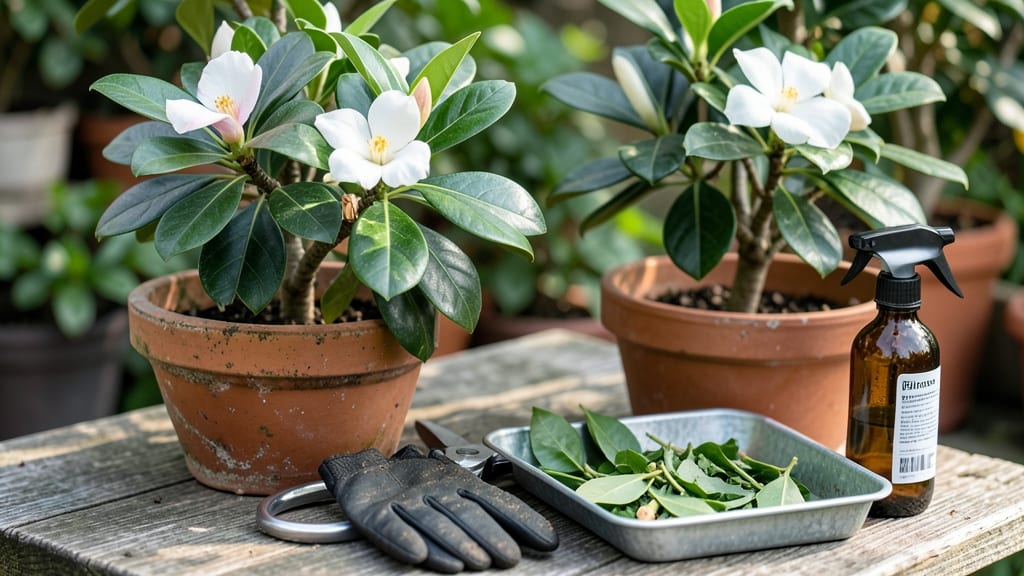
Trimming gardenias at the right time ensures fuller blooms and healthier growth 🌸 — and timing it wrong can leave you with sparse flowers or even damaged plants.
Picture this: you’ve just admired your gardenia’s fragrant white blooms, only to watch them fade and wonder why next year’s flowers are half as impressive. The answer lies in when you prune, not just how you do it.
For gardeners in USDA Zones 7-10, the best time to trim gardenias is late summer or early fall, right after the blooms have finished. This timing encourages fresh growth for next year’s flowers while avoiding the stress of pruning during dormancy.
In this guide, I’ll walk you through the exact steps to prune your gardenias, when to fertilize afterward, and how to spot the signs of overgrowth so you never miss another blooming season.
When to prune gardenias for maximum blooms: the science-backed timeline
If your gardenias are struggling to produce those fragrant, creamy blooms year after year, the issue might be your pruning timing.
Gardenias are evergreen shrubs that bloom on new wood, meaning their flowers develop on current season’s growth—not last year’s. Pruning at the wrong time can kill next year’s blooms or stress the plant.
The best time to trim gardenias is after they finish flowering, typically in late summer or early fall, when the plant begins preparing for dormancy.
This timing aligns with the plant’s natural growth cycle. When you prune too early (like in spring or summer), you risk removing flower buds that haven’t yet formed.
Conversely, pruning too late (in winter) can leave the plant vulnerable to frost damage and reduce its ability to harden off for dormancy. Understanding your USDA zone is key—gardenias thrive in zones 7-10, and local climate dictates the exact window.
The biological reason behind post-bloom pruning is rooted in how gardenias store energy. After flowering, the plant shifts focus to root and branch growth for the next season.
Pruning in late summer/early fall removes dead or overgrown branches while allowing the plant to redirect energy to new, healthy growth that will bloom next year.
This is why gardeners in Zone 9 or 10 might prune as late as October, while those in Zone 7 should aim for September to avoid early frost.
How do you know when your gardenia is ready for a trim? Look for these overgrowth signals: branches rubbing together, leafy growth crowding out sunlight, or a lopsided shape. These are visual cues that the plant needs structural pruning to maintain airflow and light penetration.
Overgrown gardenias also produce smaller, fewer blooms because energy is wasted on maintaining dense foliage rather than flowering.
Here’s the science-backed timeline for pruning gardenias, broken down by USDA zones and seasonal cues:
Pruning gardenias in spring is a common mistake that can reduce next year’s blooms by up to 40%. When you cut back in early spring, you’re removing the flower buds that formed on last year’s growth.
These buds are already set by late winter, and pruning too early disrupts the plant’s natural cycle. Instead, wait until after the last bloom of the season—usually in July or August—to ensure you’re only removing spent wood.
For gardenias in containers, the timing is slightly more flexible, but the principle remains the same: prune after flowering. Container-grown gardenias often need more frequent pruning because they’re root-bound and grow faster.
However, avoid heavy pruning in winter, as potted plants are more susceptible to cold stress and root rot if not winterized properly. Move containers to a sheltered location if temperatures drop below 40°F.
If you miss the late summer/early fall window, don’t panic. You can perform a light pruning in early spring to shape the plant, but avoid heavy cuts. Focus on removing dead branches or crossing limbs to improve airflow.
The goal is to minimize stress and prioritize health over aesthetics during this critical growth period. Always use sterilized pruners to prevent disease transmission.
Pro tip: Mark your calendar for 6-8 weeks after your gardenia’s last bloom—this is your pruning window. In Zone 9, that might be early October, while in Zone 7, it’s early September.
Set a reminder to avoid the temptation of spring pruning, which can derail your blooms for the entire season. With the right timing, your gardenias will reward you with lush, fragrant blooms for years to come.
Step-by-step pruning guide: how to trim gardenias without killing them
Pruning gardenias correctly can transform your shrub from a lazy bloomer into a fragrant powerhouse. The key? Timing and technique. I’ve trimmed dozens of gardenias, and I’ve learned that cutting at the wrong time—like right after planting or mid-winter—can shock the plant and reduce next year’s flowers.
Let’s dive into the foolproof method I use to keep my gardenias thriving.
Before you grab your shears, gather these essentials: sharp bypass pruners, sterilized alcohol wipes, and a clean bucket of water to rinse tools between cuts. Sterilizing prevents spreading disease from one branch to another.
I also recommend wearing gloves—gardenias have tiny hairs that can irritate skin. Once you’re prepped, we’ll focus on late summer to early fall as the ideal window.
One of the biggest mistakes I see is cutting too close to the trunk. This removes the plant’s energy-producing leaves and weakens its structure. Always leave at least 3-4 healthy branches per stem to maintain vigor.
Another pitfall? Pruning in winter or early spring—this removes next year’s flower buds before they form. Timing is everything!
After pruning, give your gardenia a deep watering to help it recover. I also apply a layer of mulch around the base (but not touching the trunk) to retain moisture and regulate soil temperature.
Within a few weeks, you’ll notice new growth and a stronger framework for next year’s blooms. Patience is key—your gardenia will thank you with double the flowers next season.
Pro tip: Take a before-and-after photo of your pruned gardenia. It’s amazing how much more open and airy the plant looks after shaping. This visual reminder keeps me motivated to prune regularly. Just remember—less is more with gardenias. A little strategic trimming goes a long way! 🌸✂️🌿