
Watering
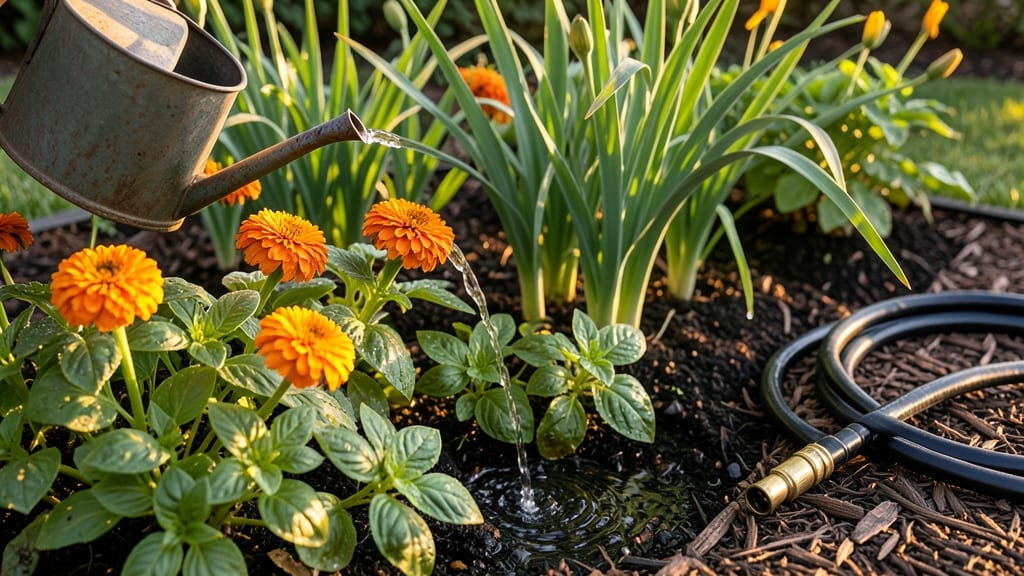
Watering your garden at the right time is the secret to stronger roots, happier plants, and less wasted water—especially in Zone 6a where spring and fall bring shifting conditions.
Struggling to keep your garden thriving without wasting water? The timing of when you water can make all the difference—especially if you want deeper roots, healthier plants, and less evaporation loss.
Morning watering isn’t just a habit; it’s a game-changer for your garden’s health. When you water early, the soil stays moist longer, roots grow deeper, and you avoid fungal diseases that thrive in damp evening air.
In this guide, I’ll break down the best practices for watering your garden, from adjusting for different plant types to fixing common mistakes that waste water and harm your plants.
Why morning watering maximizes root growth and reduces waste
If you've ever wondered why your garden seems to thrive more in some seasons than others, the answer might lie in your watering schedule. I’ve experimented with different times of day, and I can confidently say that morning watering is a game-changer for root development and water efficiency.
The science behind it is fascinating—and it’s not just about convenience.
When you water in the early morning hours, typically between 6 AM and 10 AM, you take advantage of cooler temperatures and lower wind speeds. This means less water loss from evaporation, so your plants get more of what they need without wasting resources.
Plus, the soil stays moist longer, encouraging roots to grow deeper in search of hydration—a critical factor for drought-resistant plants.
Let’s break down why this timing works so well, especially compared to evening watering, which many gardeners mistakenly assume is just as effective. The key differences lie in temperature fluctuations, fungal risks, and how water penetrates the soil. Here’s what you need to know:
| Factor | Morning Watering (6-10 AM) | Evening Watering (6-8 PM) |
|---|---|---|
| Evaporation Rate | Low (cooler temps, less wind) | High (warmer temps, humidity traps water) |
| Root Growth | Deeper penetration (soil stays moist) | Shallow absorption (water sits on surface) |
| Fungal Risk | Minimal (foliage dries quickly) | High (moisture lingers overnight) |
| Water Efficiency | Optimal (less waste) | Poor (evaporation and runoff) |
| Best For | All plants (veggies, flowers, shrubs) | Emergency hydration only |
One of the biggest myths I’ve heard is that evening watering is better because it mimics natural rainfall. While it’s true that rain often falls in the evening, artificial watering behaves differently.
When you water at night, the moisture doesn’t have time to evaporate, leaving foliage damp well into the evening. This creates the perfect conditions for fungal diseases like powdery mildew and blight, which thrive in humid environments.
I’ve seen this firsthand in my own garden. Last summer, I accidentally watered my tomato plants in the evening for a week straight. Within days, I noticed yellowing leaves and white powdery spots—a classic sign of powdery mildew.
Switching to morning watering cleared up the issue within two weeks. The lesson? Timing matters more than you think.
Another advantage of morning watering is how it encourages deeper root systems. When soil is moist in the morning, roots have the entire day to absorb water and grow downward in search of hydration.
This is especially critical for drought-tolerant plants like lavender, rosemary, and succulents, which need strong roots to survive dry spells. Shallow watering, like what happens with evening sessions, keeps roots near the surface, making plants more susceptible to stress.
Let’s talk about water conservation, a topic close to my heart, especially in areas prone to drought. Studies show that up to 30% of water can be lost to evaporation if you water in the late afternoon or evening.
By shifting to morning watering, you’re not just helping your plants—you’re also reducing your overall water usage. For example, my container garden uses about 20% less water since I switched to a morning routine, and my plants look healthier than ever.
If you’re convinced but worried about waking up early, don’t be! You don’t need to be a morning person to make this work. Set a smart sprinkler timer or invest in a drip irrigation system that delivers water slowly in the early hours.
Even a simple hose with a timer can automate the process. For container plants, a self-watering planter can handle morning hydration while you’re still asleep.
Pro tip: Pay attention to your local climate. In humid regions, morning watering is even more critical because the air is already saturated with moisture, reducing the need for extra hydration.
In arid climates, you might need to water slightly later in the morning to account for higher evaporation rates. The key is to adjust based on your environment while keeping that early-morning window.
Remember, the goal isn’t just to water your garden—it’s to water it smartly. By choosing the right time, you’re not only saving water but also setting your plants up for success.
Give morning watering a try for a few weeks, and I bet you’ll notice a difference in your garden’s vitality. Your plants (and the planet) will thank you!
How to adjust your watering schedule for different plant types
Not all plants have the same watering needs, and adjusting your schedule based on plant type can save time, water, and stress for your garden. Vegetables like tomatoes and peppers need consistent moisture, while succulents thrive on neglect.
Even the climate plays a role—humid areas evaporate water faster than arid ones. Let’s break down the best practices for each category to keep your garden flourishing.
Start by understanding that morning watering is ideal for most plants because it allows roots to absorb moisture before the heat of the day. However, some plants—like drought-resistant varieties—prefer less frequent but deeper watering.
The key is matching your watering routine to the plant’s natural habitat and your local climate conditions.
🌱 Numbered Highlights: Best Watering Times by Plant Type
- 🥬 Vegetables (tomatoes, peppers, lettuce): Water early morning (6-9 AM) for deep root growth. Avoid wetting leaves to prevent fungal diseases like blight.
- 🌼 Flowers (roses, petunias, marigolds): Water morning or late afternoon (4-6 PM). Delicate blooms benefit from consistent moisture but hate soggy soil.
- 🌵 Succulents & Cacti (aloe, jade, prickly pear): Water every 2-3 weeks at midday (10 AM-12 PM). Their thick leaves store water, so overwatering is the biggest risk.
- 🌿 Drought-Resistant Plants (lavender, sedum, yucca): Water deeply every 10-14 days at midday. These plants thrive on infrequent, thorough watering to encourage deep roots.
- 🌍 Climate Adjustments:
- Humid climates: Water early morning (before 8 AM) to reduce fungal risks from prolonged leaf wetness.
- Arid climates: Water late evening (after 6 PM) to minimize evaporation loss from hot winds.
For vegetables, focus on keeping the soil evenly moist but not waterlogged.
A good rule of thumb is to water when the top inch of soil feels dry. Leafy greens like lettuce and spinach need frequent watering, while root vegetables like carrots and potatoes prefer deeper, less frequent watering to prevent splitting.
When it comes to flowers, timing matters just as much as technique.
Watering in the morning gives blooms a chance to dry out during the day, reducing the risk of mildew. Annuals like petunias and zinnias may need daily watering in hot weather, while perennials like lavender and coneflowers can go longer between waterings once established.
If you’re growing succulents or other desert plants, resist the urge to water too often. These plants store water in their leaves and stems, so overwatering can lead to root rot.
Stick to the soak-and-dry method: Water deeply until it runs out the drainage holes, then wait until the soil is completely dry before watering again.
Finally, don’t forget that seasonal changes affect watering needs. In summer, you may need to water twice daily, while winter often requires minimal watering. Pay attention to your plants—they’ll tell you when they’re thirsty through wilting leaves or dry soil.