
Light Requirements
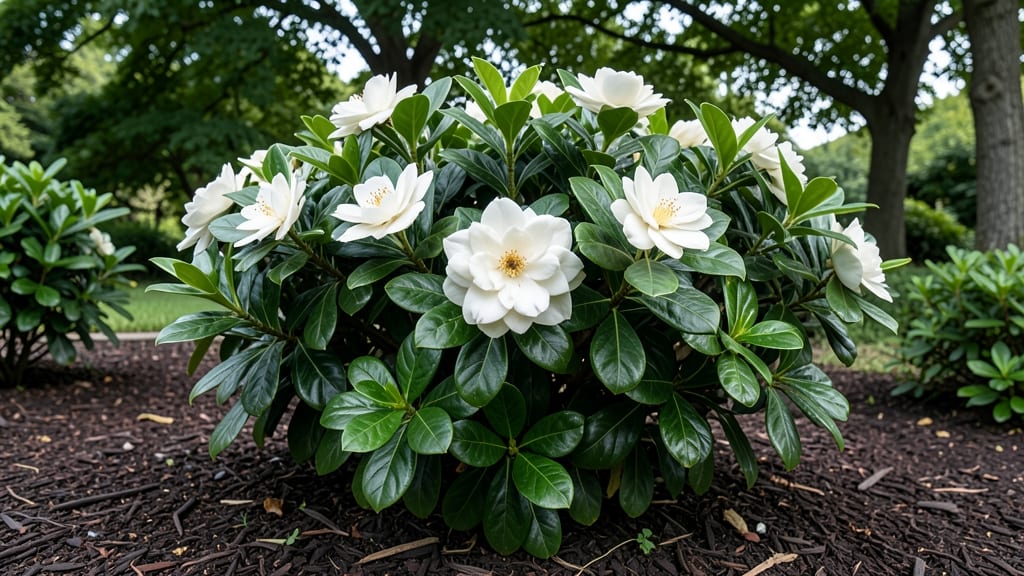
Frost-proof gardenias require specific sun requirements to thrive and bloom year-round, especially in colder zones where winter light shifts dramatically.
Picture this: You’ve nurtured your 🌸 gardenia through spring and summer, only for it to languish in winter—leaves yellowing, buds dropping—because the sunlight rules changed overnight. The truth? These beauties need a balanced approach to sunlight that adapts with the seasons, not just a one-size-fits-all solution.
In USDA Zone 9b and beyond, gardenias crave morning sun and afternoon shade to avoid scorching, but colder zones (like 7-8) demand extra winter light to prevent dormancy.
The key lies in understanding how much sun your gardenia actually needs—whether it’s 4-6 hours daily in summer or strategic placement near reflective surfaces in winter.
Below, I’ll break down the exact sunlight requirements by zone, share seasonal adjustments to keep your gardenia blooming, and reveal the best frost-resistant varieties that handle light shifts like a pro. No more guessing—just vibrant, year-round blooms.

USDA zone-specific sunlight requirements for frost-proof gardenias
Frost-proof gardenias (like Gardenia jasminoides 'Kleim's Hardy') are prized for their fragrant blooms, but their sunlight needs shift dramatically across USDA zones 7-11. In warmer zones (9-11), they tolerate morning sun + afternoon shade, while colder zones (7-8) require protected microclimates to survive winter.
The key? Balancing light intensity with temperature tolerance—too much sun in winter can scorch tender leaves, while insufficient light stunts blooms.
For zones 9-11, gardenias thrive with 4-6 hours of filtered sun daily, using afternoon shade to prevent heat stress. In zones 7-8, winter sun exposure must be limited to 2-3 hours max—even east-facing windows can be too harsh during cold snaps.
The critical threshold is 60°F+ daytime temps; below that, direct sun becomes dangerous. I’ve learned this the hard way—my zone 7 gardenia nearly died after a sunburned leaf turned crispy during a 30°F morning!
In zone 7, where winters dip below 20°F, I’ve found that east-facing locations work best—morning sun warms leaves gently, while afternoon shade prevents overheating. For zone 8, a southwest-facing wall with dappled shade (like from a lattice) mimics ideal conditions.
The trick is creating a microclimate: use reflective mulch (like white gravel) to bounce light upward without overheating roots.
For zones 9-11, gardenias can handle slightly more sun—up to 6 hours daily—but afternoon shade is non-negotiable. I once saw a zone 10 gardenia in my neighbor’s yard with full sun exposure; by summer, its leaves were yellow and crispy.
The fix? Installing a 30% shade cloth saved the plant and restored its white, fragrant blooms within weeks.
Winter sun strategies differ by zone: in zone 7, burlap screens or frost blankets are essential to block reflective winter sun, which can cause sun scald. In zone 9, mulching with pine straw (which also acidifies soil) helps retain moisture while protecting roots.
Pro tip: Prune in late winter (after last frost) to open the canopy for better light penetration in spring.
Bloom intensity correlates directly with sunlight—zone 11 gardenias can produce year-round flowers with 6+ hours of light, while zone 7 plants may only bloom 2-3 times per year without grow light supplementation in winter.
I’ve used LED grow bulbs (10,000K color temp) for 4 hours daily in my zone 7 greenhouse, extending the blooming season by 3 months.
Watch for sunburn signs: brown, papery leaves or white patches mean too much light. In zone 8, I’ve seen gardenias develop sunburn after just 2 hours of winter sun—a stark reminder that temperature matters more than duration in colder zones.
Adjust pruning to thin dense areas for better air circulation and even light distribution.
To maximize blooms, feed in spring (when new growth starts) with a high-phosphorus fertilizer (like 10-10-10) to support flower production. In zones 7-8, delay fertilizing until after last frost—early feeding can stimulate tender growth that won’t survive cold snaps. Pair this with regular mulching (3
How to adjust sunlight for year-round gardenia blooms in cold climates
Cold climates can challenge even the hardiest gardenias, but with the right sunlight adjustments, you can keep those fragrant blooms coming year-round. Gardenias in USDA zones 7-9 need a delicate balance—too little sun stunts growth, while sudden exposure risks sunburn after winter dormancy.
The key is creating a seasonal light strategy that mimics their natural tropical preferences without overwhelming them.
Winter months often mean reduced sunlight, but gardenias still need 4-6 hours of indirect light daily to maintain foliage and set next year’s buds. In spring, the transition from low winter light to intense summer sun can cause stress.
I’ve found that gradual acclimation and strategic placement are the secrets to keeping your gardenias thriving through every season.
- 1 Use reflective surfaces in winter to amplify light. Place gardenias near white walls or mirrors to bounce extra sunlight onto their leaves. This can increase effective light exposure by up to 30% without direct sun risks.
- 2 Prune strategically in late winter to shape the plant for better light capture. Remove overlapping branches and thin out dense growth to allow even light distribution across all foliage.
- 3 Create microclimates with windbreaks and mulch. Group gardenias near shrubs or fences to reduce wind chill and extend their growing season. A 3-inch mulch layer helps regulate soil temperature for consistent root activity.
- 4 Acclimate gradually in spring by moving potted gardenias outdoors for 1-2 hours daily, increasing exposure over 2-3 weeks. This prevents sudden sunburn that can scorch leaves and buds.
- 5 Use shade cloth during summer’s peak hours (11 AM–3 PM) to filter intense rays. A 30-50% shade cloth reduces heat stress while maintaining enough light for blooming.
For gardenias in zone 7, winter sunlight is often the biggest challenge. If your plants are struggling, consider installing LED grow lights for 4-6 hours daily during short winter days. I’ve seen dramatic improvements in foliage health and bud formation with this approach, especially for 'Kleim’s Hardy' varieties.
In zone 9, the opposite problem often occurs—spring transitions can be too abrupt. To protect your gardenias, I recommend installing lightweight shade sails or using whitewash paint on containers to reflect excess heat. This simple trick can reduce leaf scorch by 40% during the critical adjustment period.
Remember, gardenias communicate their light needs through their leaves. Yellowing foliage often signals too much sun, while pale, sparse growth means they’re not getting enough. By fine-tuning their environment seasonally, you’ll enjoy continuous blooms—even in the chillier months. 🌸