
Blooming
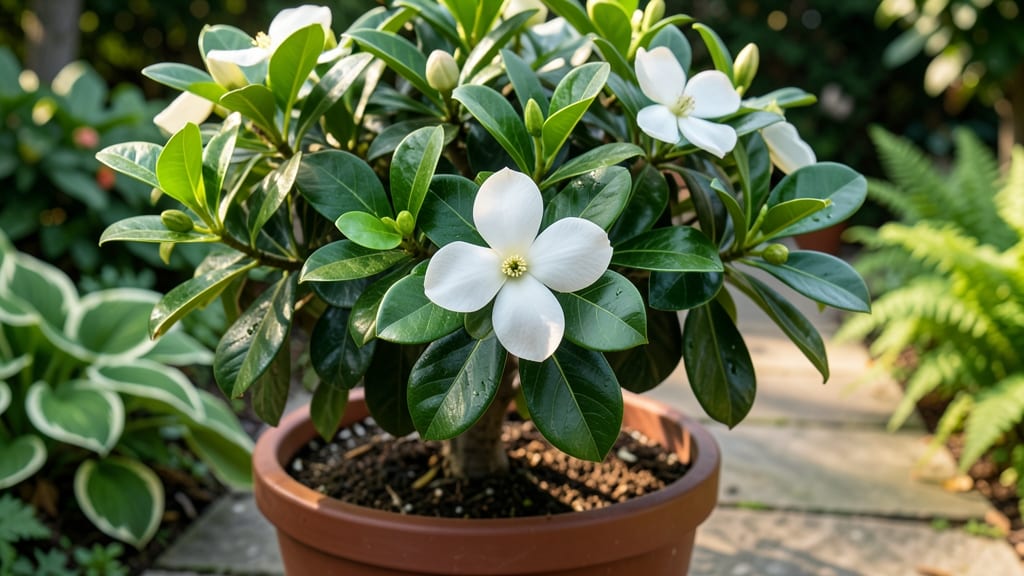
Your gardenia’s flowering season depends on where you live—whether it’s a spring burst of fragrant blooms or a year-round tropical display, timing is the secret to those iconic white 🌸 blossoms.
Picture this: you’ve waited months for your gardenia to reward you with its signature perfume, only to wake up to buds that never opened. It’s not a mystery—it’s zone-based timing, and knowing the exact months for your hardiness zone means you’ll never miss another show.
From June through September in Zone 6, where cooler nights trigger blooms, to Florida’s near-constant flowering, the climate dictates when your gardenia will shine. But sunlight, soil pH, and even your watering habits can shift those windows by weeks.
Here’s how to align your care with nature’s schedule—so your gardenia doesn’t just bloom, but thrives with fragrance that fills your garden from first light to dusk.
Gardenia flowering months by USDA hardiness Zone: a precision guide
Timing is everything when it comes to gardenias—these fragrant bloomers thrive on consistency, and their flowering windows vary dramatically by USDA hardiness zone. In Zone 7, you’ll typically see blooms from late May to July, while Zone 11 gardeners enjoy nearly year-round fragrance.
Understanding these patterns helps you choose the right variety and care for them at the perfect time.
Gardenias are light-sensitive plants, meaning their blooming cycles align closely with daylight hours. In cooler zones like Zone 7-8, they often bloom in late spring to early summer, while tropical zones like Zone 10-11 can produce flowers year-round with proper care.
Even within a zone, microclimates (like coastal vs. inland) can shift blooming by 2-4 weeks.
🌸 Gardenia Blooming Calendar by Zone
| Zone | Primary Blooming Window | Secondary Blooms | Notes |
|---|---|---|---|
| 7-8 | Late May - July | September (light) | Needs winter protection; prune after frost |
| 9 | April - August | Year-round with care | Humidity boosts blooms; mulch heavily |
| 10 | March - November | None (continuous) | Year-round blooms; prune lightly after heavy rains |
| 11 | Year-round | N/A | High humidity; protect from salt spray |
In Zone 7-8, gardenias like 'Kleim’s Hardy' bloom from late May to July, with a brief fall flush in September if conditions are right. These zones require winter mulching to protect roots from freezing.
Meanwhile, Zone 9 varieties such as 'Radicans' stretch blooms from April through August, benefiting from coastal humidity that extends their season.
Florida and Zone 10-11 gardeners enjoy the ultimate advantage—year-round blooming. Varieties like 'Veitchii' produce flowers continuously when given consistent moisture and partial shade. However, even in warm climates, heavy rains can stress plants, causing bud drop. Prune lightly after storms to encourage new growth.
Regional variations matter too. In Southern California (Zone 10), gardenias peak in June due to dry summers, while Florida (Zone 11) sees blooms year-round but may experience bud blast from salt air near coastlines. Always choose locally adapted varieties—like 'Fortuniana' for humid zones—to maximize fragrance.
Light exposure is critical. Gardenias need 4-6 hours of morning sun but afternoon shade to prevent bud burn. In Zone 7-8, plant on east-facing walls to capture cool morning light.
In Zone 10-11, dappled shade under trees works best to avoid heat stress. Adjust pruning to maintain this balance—never cut into old wood, as it won’t regrow.
Soil pH plays a hidden role. Gardenias crave acidic soil (pH 5.0-6.5). In Zone 9-11, where native soil is often alkaline, amend with peat moss or sulfur to trigger blooms.
A pH test kit is your best friend—below 5.0 stunts growth, while above 7.0 causes chlorosis (yellow leaves). Feed with acid-loving fertilizer in spring and summer to fuel flowering.
Watering schedules shift with seasons. In Zone 7-8, deep water every 3-5 days in summer keeps roots happy, while Zone 11 plants may need daily watering during dry spells.
Always water at soil level—never overhead—to prevent fungal diseases like powdery mildew. Mulch with pine bark to retain moisture and mimic their native forest floor
How to extend your gardenia’s blooming season naturally (without chemicals)
Your gardenia’s flowering season doesn’t have to follow nature’s strict timeline—with a few natural tweaks, you can coax those fragrant blooms to appear earlier or linger longer. The key lies in understanding what triggers gardenias to bloom: cool nights, acidic soil, and consistent care.
In Zones 7-9, where summer heat can shorten the season, these adjustments make all the difference.
Think of your gardenia like a delicate clock: prune at the right time, and it ticks faster toward blooms. Skip a step, and those white blossoms might never appear.
Let’s unlock the secrets to a longer, more abundant flowering season—without chemicals—so your garden stays perfumed from spring to fall.
5 Natural Ways to Extend Blooming
- 1 Prune after blooming to encourage new growth and next season’s buds. Use clean, sharp shears to avoid damaging stems.
- 2 Adjust soil pH to 5.0-6.5—gardenias are acid-loving. Test your soil and amend with peat moss or sulfur if needed.
- 3 Water deeply in the morning to prevent fungal issues. Aim for 1 inch per week, but adjust for heat or drought.
- 4 Provide afternoon shade in Zones 8-9 to protect blooms from intense heat, which can cause buds to drop prematurely.
- 5 Fertilize lightly in spring and summer with a balanced 10-10-10 fertilizer. Over-fertilizing leads to leafy growth over blooms.
One of the biggest mistakes gardeners make is pruning at the wrong time. If you cut back your gardenia in late summer or fall, you’ll delay next year’s blooms. Instead, prune right after flowering—this gives your plant time to recover and set new buds before winter.
Another common pitfall? Ignoring soil pH. Gardenias thrive in acidic conditions, and if your soil is too alkaline, your plant will struggle to absorb nutrients—leading to fewer blooms. Test your soil annually and amend as needed with organic matter like pine needles or coffee grounds.
For container gardenias, consistency is critical. Pots dry out faster, so check soil moisture daily in summer and adjust watering accordingly. A mulch layer around the base helps retain moisture and keeps roots cool—both of which encourage longer blooming.
With these natural adjustments, your gardenia can bloom for months instead of weeks. The secret? Listen to your plant: it’ll tell you what it needs through its leaves, buds, and fragrance. And soon, your garden will smell like a tropical paradise all season long. 🌸