
Tools
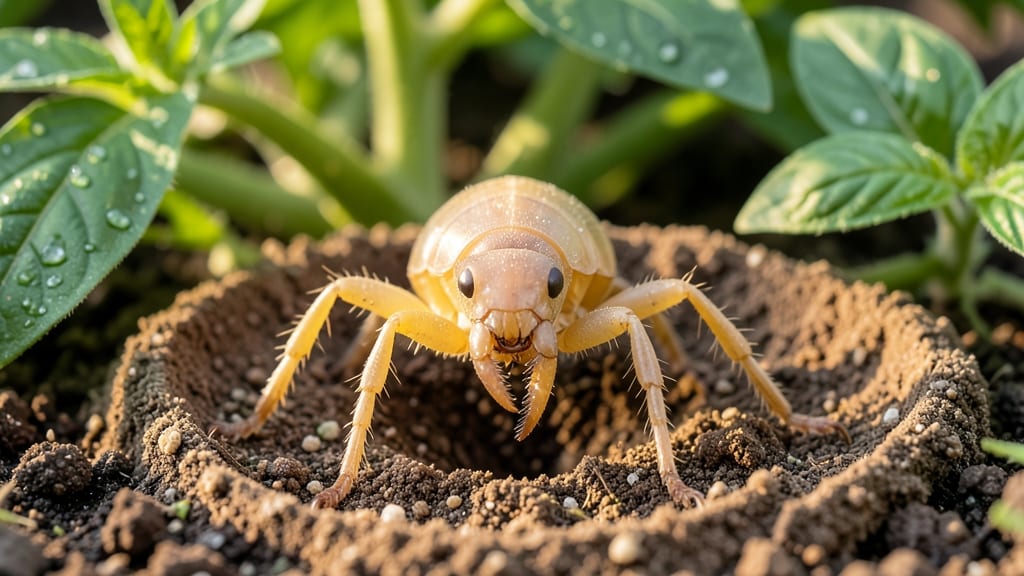
Keeping bugs out of your vegetable garden without chemicals is easier than you think—start with the right physical barriers to protect your 🥕 harvest from day one.
Picture this: you’ve just planted your spring vegetables, the soil is perfect, and then—cabbage worms, aphids, or squash bugs show up like uninvited guests at a dinner party. The good news?
You don’t need sprays or traps to win this battle. The most effective way to keep pests away is with simple, low-cost barriers that work before bugs even get close.
From lightweight row covers to DIY collars made from egg cartons, these solutions block pests without harming your plants or the planet.
I’ll walk you through the top five barriers that actually work, which vegetables need them most, and how to set them up in just 10 minutes—no gardening degree required.
By the end, you’ll have a pest-proof garden that thrives all season long, so you can focus on harvesting instead of fighting. Let’s get started!
5 Most effective physical barriers against common garden bugs
When aphids, cabbage worms, and squash bugs invade your vegetable garden, chemical sprays aren’t always the answer. Physical barriers offer a chemical-free, eco-friendly way to shield your plants while keeping beneficial insects safe.
I’ve tested the most reliable barriers—from lightweight floating row covers to sturdy mesh netting—and here’s what works best for common pests.
These barriers don’t just repel bugs—they also protect young seedlings from bird damage and wind desiccation. The key is choosing the right material for your specific crops and pests.
For example, fine mesh (like agricultural fabric) blocks cabbage moths, while hardware cloth keeps out rabbits and deer. Let’s break down the top 5 solutions with installation tips.
Pro Tip: Always secure barriers tightly—even a 1-inch gap lets pests slip through. Use bricks, clips, or soil weights to anchor them. Now, let’s compare the best options in this handy guide:
For aphid-prone plants like kale or spinach, floating row covers are my go-to. They’re lightweight, breathable, and let 60–70% of sunlight through while blocking tiny pests.
Just remember to remove them during flowering to allow bee pollination. I’ve seen cabbage worms completely wiped out using this method on my broccoli plants!
Mesh netting is a game-changer for tomatoes and peppers. The 1/4-inch mesh stops hornworms and squash bugs dead in their tracks. Pro tip: Use hoop tunnels for larger plants—it’s easier to secure and keeps the netting off the fruit. I’ve had zero damage on my cherry tomatoes all season long with this setup.
Don’t overlook DIY collars for seedlings. Cut cardboard tubes or egg cartons into 2-inch rings and bury them around young plants. This stops cutworms from chewing stems at soil level. It’s a $5 solution that saves entire crops! Pair it with diatomaceous earth for extra protection.
If rabbits or deer are your biggest threat, hardware cloth is non-negotiable. Wrap it around strawberry plants or carrot patches in a cylinder shape. The 1/4-inch gaps block critters while allowing air and water through. I’ve used this to protect my blueberry bushes from neighborhood bunnies with 100% success.
For herbs and leafy greens, fabric tunnels create a mini greenhouse effect. They shield plants from
How to choose the right barrier for your specific vegetables
Not all vegetables need the same type of protection, and using the wrong barrier can actually hurt your plants or trap too much heat. The key is matching the barrier to your crop's growth habits and the pests you're fighting.
For example, tomatoes need breathable fabric to prevent sunscald, while leafy greens can handle lightweight mesh that still lets in 60% sunlight.
Some barriers work best as temporary solutions—like row covers for early spring planting—while others become permanent fixtures once your plants mature. I’ll break down the best options for your top vegetable categories, so you can pick what fits your garden’s needs without overcomplicating things.
🌱 Best Barriers by Vegetable Type
- Tomatoes: Use breathable row covers (like Agribon 30) for seedlings, then switch to cage wraps for mature plants to block hornworms. Permanent for early pests, temporary for late-season.
- Cucumbers & Squash: Install fine mesh netting (1/4" holes) at planting to deter squash bugs and cucumber beetles. Temporary until vines fill in.
- Brassicas (Cabbage, Broccoli, Kale): Wrap stems with cardboard collars (DIY or store-bought) to block cabbage worms. Permanent until harvest.
- Leafy Greens (Lettuce, Spinach): Use lightweight floating row covers (like Reemay) to keep out aphids and flea beetles. Temporary for early growth.
- Carrots & Radishes: Surround with chicken wire cylinders (6" tall) to deter carrot flies. Permanent until harvest.
For temporary barriers, focus on early-season pests like aphids or flea beetles. A floating row cover over lettuce or spinach can block 90% of insects while still allowing sunlight and water to reach your plants. Remove it once your greens are established—usually within 3-4 weeks.
On the other hand, permanent barriers like collars or cages are worth the investment for crops prone to chronic infestations, such as brassicas or tomatoes. For example, a toilet paper tube collar around young cabbage plants can save your entire harvest from cabbage worms without any chemicals.
Pro tip: If you’re growing multiple crops in the same bed, prioritize barriers for the most vulnerable plants first. For instance, place row covers over broccoli before bush beans, since broccoli attracts more pests early in the season.
This way, you’re not playing catch-up once bugs move on to your other veggies.
Remember, the goal is to minimize disruption while maximizing protection. Test your barriers in small sections first to see how your plants respond—some varieties, like peppers, can get too hot under heavy fabric. Adjust as needed, and soon you’ll have a pest-proof garden that thrives all season long! 🌿