
Pruning
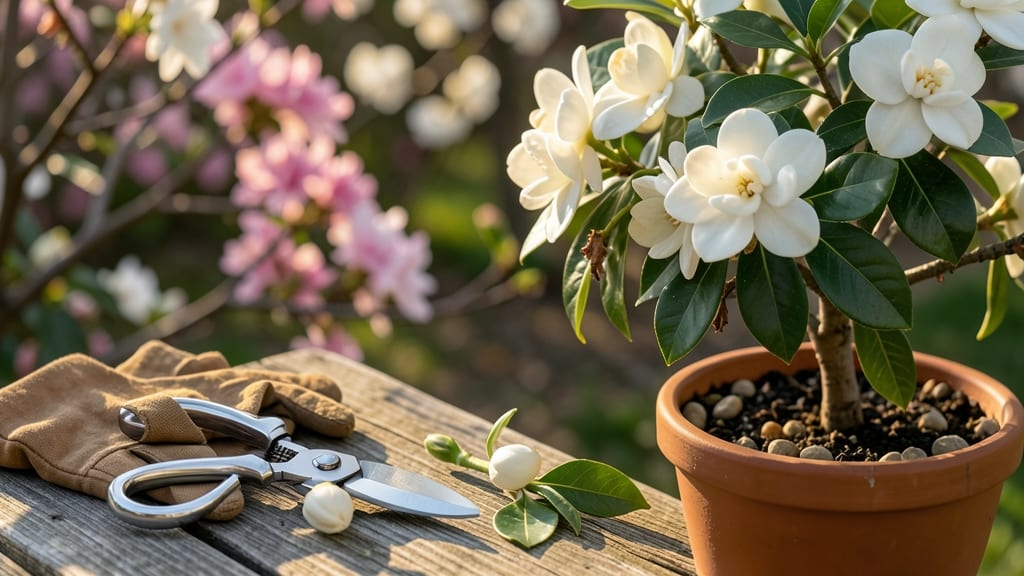
The best time to prune gardenias is late winter, just as new growth begins but before spring blooms emerge—this single timing choice determines whether your 🌸 thrives or struggles.
Picture this: You’ve spent months admiring your gardenias, only for them to produce sparse, weak blooms year after year. The culprit? Pruning at the wrong time—whether too early (when frost can still hit) or too late (missing the critical late-winter window).
For gardeners in USDA Zones 7-10, the ideal window is February to early March, when frost risk fades and dormancy ends. This is when your gardenias wake up, ready to burst into fragrant, full blooms—if you give them the right start.
Here’s what you’ll learn: the exact seasonal cues to watch for, step-by-step pruning techniques to avoid common mistakes, and post-pruning care to maximize those showstopping spring blooms—no guesswork, just results.
Late winter pruning: the optimal window for gardenias (with exact timing)
If you love the intoxicating fragrance of gardenias but struggle with inconsistent blooms, the answer lies in late winter pruning. This is the golden window to shape your shrubs while encouraging vigorous spring growth.
Pruning at the wrong time—like early winter or after blooming—can stunt flowers or invite pests. Let’s pinpoint the exact timing and regional adjustments to maximize those iconic white blooms.
Gardenias thrive in USDA zones 7-10, but their pruning window shifts slightly between northern and southern climates. In Zone 10 (hot climates), prune as early as late January when you spot new growth buds.
In Zone 7 (cooler climates), wait until mid-to-late February to avoid frost damage. The key is to prune just before—not during—dormancy, when the plant is preparing to burst into growth.
| USDA Zone | Optimal Pruning Window | Signs It’s Time | Avoid Pruning If... |
|---|---|---|---|
| Zone 7 (Cooler) | Mid-to-late February | New growth buds swell | Frost is forecasted |
| Zone 8 (Temperate) | Early-to-mid February | First green shoots appear | Soil is still frozen |
| Zone 9 (Warm) | Late January-early February | Bud scales separate | Heavy rains expected |
| Zone 10 (Hot) | Late January | Leaves unfurl slightly | Temps drop below 50°F |
The science behind late winter pruning is simple: gardenias store energy in their roots during dormancy. Pruning too early removes next year’s blooms before they form. Conversely, pruning too late—after buds swell—delays flowering and stresses the plant.
Aim to finish pruning by early March in most zones to give roots time to replenish energy for spring blooms.
How do you know when it’s exactly the right time? Look for these three key signs: bud scales separating, green shoot tips emerging, or leaves unfurling slightly. In my Zone 9 garden, I prune when I see the first pale green buds—usually by late January.
If you’re unsure, wait until you see 10-15% of buds breaking dormancy. This ensures you’re not too early.
Northern gardeners in Zone 7 often face a tighter window. If you prune in early February and a late frost hits, the plant may struggle to recover.
To hedge your bets, cover newly pruned gardenias with frost cloth if frost is forecasted within 7-10 days. This extra step can save your blooms and prevent dieback.
Southern gardeners in Zone 10 have more flexibility but must avoid pruning after mid-February. The heat and humidity can encourage fungal growth on fresh cuts. Always use sterilized pruners and make cuts at a 45-degree angle just above a leaf node to promote faster healing.
This reduces disease risk and speeds up regrowth.
One common mistake I see is pruning gardenias after they bloom. This is a major blooming killer because you’re removing the current year’s flower buds. Gardenias bloom on new wood, meaning this year’s growth will produce next year’s flowers.
Late winter pruning stimulates fresh growth that will burst into blooms by late spring.
Pro tip: Pair your late winter pruning with a light fertilizer application (like 10-10-10) to give your gardenias a growth boost. Avoid heavy fertilizers, which can burn roots when the plant is still dormant.
Instead, focus on acid-loving amendments like peat moss or pine needles to prep the soil for spring.
Remember, gardenias are sensitive to stress, so handle them gently. Avoid over-pruning—never remove more than 25-30% of the plant’s foliage in one session. This keeps the shrub compact and bushy while ensuring it has enough leaves for photosynthesis to fuel those fragrant blooms.
With the right timing, your gardenias will reward you with lush, fragrant blooms by late spring. Mark your calendar for late January to mid-February, watch for those first green shoots, and get ready to transform your garden into a scent
Step-by-step late winter pruning guide: tools, techniques, and mistakes to avoid
Pruning gardenias in late winter isn’t just about cutting branches—it’s about shaping their future blooms. With the right tools and techniques, you’ll encourage dense foliage and abundant flowers by spring.
But skip this step, and you risk weak growth or even no blooms at all. Let’s break it down into simple, actionable steps so your gardenias thrive.
Before you begin, gather your essential tools: sterilized pruning shears (to prevent disease), sharp bypass pruners for larger branches, gloves (gardenia leaves can irritate skin), and a bucket for clippings.
Sterilize your tools with rubbing alcohol or a 10% bleach solution to avoid spreading bacteria. Pro tip: Use sharp tools—dull blades tear branches, inviting infections.
Now, let’s tackle the three core pruning techniques for gardenias: deadheading (removing spent blooms), shaping (maintaining form), and thinning (opening the center for airflow). Start by deadheading faded blooms—this redirects energy to new growth.
Next, shape the shrub by trimming overlapping or crossing branches back to a healthy bud or outward-facing growth.
For thinning, focus on the center of the plant. Remove 1/3 of the oldest wood to encourage younger, more vigorous growth. Cut just above a leaf node or bud, angled slightly away from the bud to prevent water pooling.
Avoid topping (cutting the top flat)—this stresses the plant and reduces blooms. Instead, aim for a natural, tapered shape.
⚠️ callout-warning ⚠️
❌ When Is the Best Time to Prune Gardenias?
Wrong Time: Pruning in late fall or early spring (before last frost) risks frost damage to new growth. Pruning after blooms appear removes next year’s buds.
Right Time: Late winter (February-March in Zones 7-10) when new growth swells but before buds form. In Zone 10, prune in January to avoid summer heat stress.
Pro Tip: Look for green tips on branches—this signals it’s safe to prune. If buds are already swollen, wait 2-3 weeks.
Even experienced gardeners make five deadly pruning mistakes with gardenias. First, pruning too late (after buds form) removes next year’s blooms. Second, over-pruning (cutting more than 1/3 of the plant) stresses the shrub.
Third, using dull tools tears branches, inviting disease. Fourth, ignoring disease signs—prune diseased branches first to contain spread. Finally, skipping sterilization spreads fungal infections like powdery mildew.
After pruning, clean up the area by removing all clippings and debris. Apply a 2-inch layer of mulch around the base (but not touching the trunk) to retain moisture and regulate soil temperature.
Water deeply to help the plant recover. For extra care, feed with an acid-loving fertilizer (like cottonseed meal) in 4-6 weeks to support new growth.
Your gardenias are now ready to burst into spring blooms—fragrant, full, and showstopping. With this late-winter pruning guide, you’ve given them the perfect start. Watch closely in 3-4 weeks as new growth emerges, and prepare for a season of stunning flowers! 🌸