
Vegetables
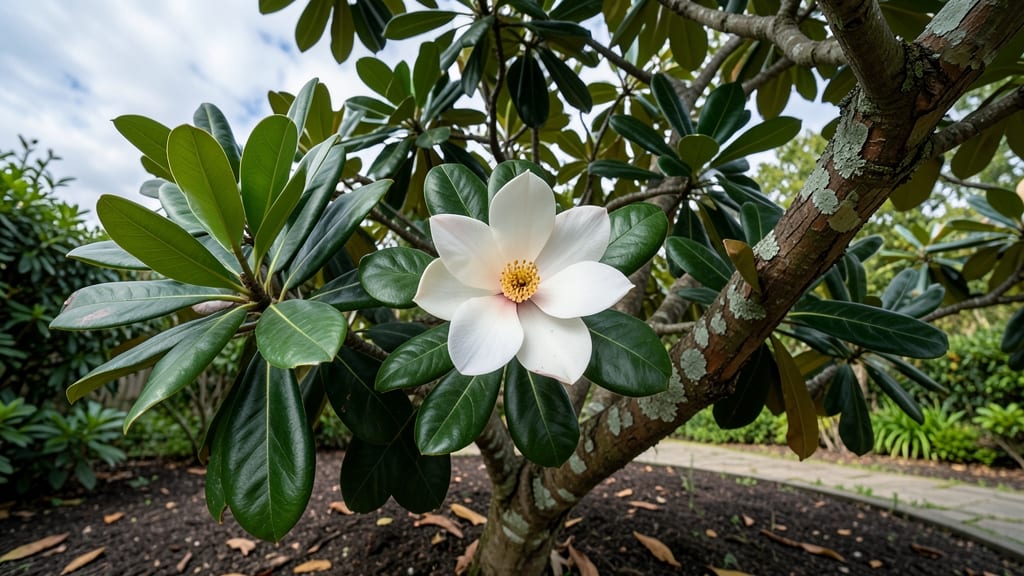
A visit to Riverside Botanic Gardens lets you explore its 120-acre display gardens, seasonal blooms like the spring tulip festival and fall pumpkin patch, plus themed exhibits such as the Japanese Garden and Desert Demonstration Garden. Check the official website for event schedules and admission details before your trip.
This sprawling botanical oasis blends natural beauty with educational exhibits, making it perfect for nature lovers and families alike. 🌿 The gardens feature over 10,000 plant species across 18 distinct zones, from the serene Japanese Garden with its koi ponds to the striking Desert Demonstration Garden showcasing drought-resistant plants.
Seasonal events like the spring tulip festival transform the space into a vibrant canvas, while the fall pumpkin patch offers hands-on fun for kids. I always recommend arriving early to explore the Rose Garden at its peak bloom—it's one of the most photogenic spots in the entire park!
What sets Riverside Botanic Gardens apart is its commitment to conservation and sustainability. The Cactus Garden highlights native desert flora, while the Children's Garden teaches young visitors about plant life through interactive exhibits.
For the best experience, I suggest combining your visit with a guided tour—they reveal hidden gems and lesser-known plant facts that self-guided explorers might miss. Don't forget to check their calendar for special workshops, like succulent propagation classes or seasonal plant sales!
💡 In This Article
- Exploring Riverside Botanic Gardens’ Themed Gardens and Plant Collections
- Best Times to Visit Riverside Botanic Gardens by Season
Exploring riverside botanic gardens’ themed gardens and plant collections
Themed gardens at Riverside Botanic Gardens are meticulously designed to showcase diverse ecosystems and plant families. The Japanese Garden, spanning 3 acres, features traditional elements like a 1,500-gallon koi pond and meticulously pruned maple trees.
These gardens use akadama soil, a volcanic clay known for its excellent drainage, which mimics the natural conditions of Japanese landscapes. 🌸 The Desert Demonstration Garden, on the other hand, highlights over 200 species of drought-tolerant plants, including rare cacti like the blue agave and prickly pear, which thrive in 100°F+ temperatures with minimal water.
Seasonal transformations bring each garden to life in unique ways. During spring, the Rose Garden bursts into color with 1,200+ hybrid roses in shades of pink, red, and yellow, while the tulip festival displays 50,000 bulbs planted annually.
In fall, the pumpkin patch offers 20 varieties of heirloom pumpkins, weighing up to 50 pounds each, and the Cactus Garden hosts a night-blooming cactus festival where plants like the queen of the night release intoxicating fragrances after sunset.
The Children’s Garden stands out with its interactive exhibits, including a mini orchard where kids can harvest fruit and a sensory garden with textured plants like lamb’s ear and fuzzy lamb’s tongue. This area also features a rainwater collection system that demonstrates sustainable water practices.
For plant enthusiasts, the Botanical Collections Building houses a 3,000-specimen herbarium, preserving rare and endangered plants from around the world.
Hidden within these gardens are specialized collections like the Fragrance Garden, where 300 aromatic plants release scents at different times of day, and the Mediterranean Garden, which recreates the climate of regions like Greece and Italy with olive trees and lavender bushes.
The Rose Garden’s pergola, lined with climbing roses, creates a 20-foot-high floral archway during peak bloom, offering one of the most Instagram-worthy spots in the gardens.
Each garden is designed with both aesthetic and educational goals in mind. For example, the Desert Garden’s irrigation system uses drip lines to deliver water directly to plant roots, reducing evaporation by 30% compared to traditional sprinklers.
Meanwhile, the Japanese Garden’s stone lanterns are strategically placed to guide visitors along winding paths, creating a sense of tranquility. These thoughtful details make every visit feel like a journey through different climates and cultures.
Pro tip: Don’t miss the seasonal plant sales held in the Visitor Center, where expert horticulturists share tips on caring for rare plants. Whether you're admiring the 100-year-old oak trees in the Shade Garden or exploring the succulent collection, each themed area offers a deeper connection to nature. 🌿