
Container Gardens
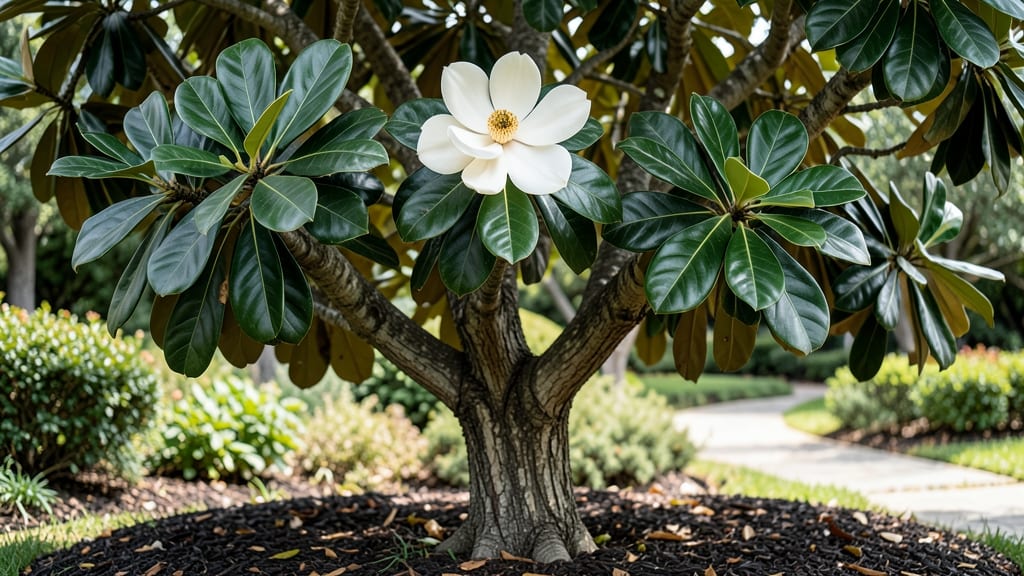
Visiting Gainesville Botanical Gardens lets you explore themed trails like the Japanese Garden and Orchid House, along with rare plant collections and seasonal blooms, all while enjoying free admission and educational exhibits year-round.
This 27-acre oasis in Gainesville isn't just a green escape—it's a living classroom where you can wander through native Florida ecosystems, tropical conservatories, and meticulously designed themed gardens. 🌿 The Japanese Garden's tranquil koi ponds and the Orchid House's 500+ species showcase the beauty of biodiversity without requiring a single admission fee.
Whether you're chasing azalea blooms in spring or holiday light displays in winter, each season reveals new highlights.
What makes it special is how seamlessly it blends conservation with recreation. The gardens host rare species like Florida torreya and semaphore cactus, while the Canopy Walkway offers elevated views of the forest floor.
I've found that families especially love the interactive exhibits, and photographers return year after year for the ever-changing light through the palmetto forests.
💡 In This Article
- Gainesville Botanical Gardens Plant Collections and Ecosystems
- Best Times to Visit Gainesville Botanical Gardens by Season
Gainesville botanical gardens plant collections and ecosystems
The gardens' 27-acre landscape is a carefully curated mix of 12 distinct ecosystems, each designed to mimic Florida's natural habitats while showcasing rare and endangered species.
The Japanese Garden, for example, features 15 varieties of Japanese maples and 3 koi ponds stocked with Nishikigoi varieties, creating a serene space that demonstrates traditional East Asian horticulture techniques. 🌸 What's fascinating is how the garden's bamboo grove acts as a natural windbreak while providing habitat for birds like the Carolina wren.
One standout collection is the Orchid House, home to 500+ orchid species from around the world, including Cattleya and Phalaenopsis hybrids that bloom year-round. The humidity-controlled environment maintains 60-80% relative humidity, which is critical for tropical orchids that would otherwise struggle in Florida's 90°F+ summers.
The Florida Native Plant Collection is equally impressive, featuring 100+ native species like the Florida torreya (a critically endangered conifer) and semaphore cactus, which uses its bright red "arms" to attract pollinators.
The gardens' conservation efforts go beyond display—they actively participate in seed banking and propagation programs for endangered species.
For instance, their palmetto forest restoration project has successfully reintroduced 200+ cabbage palms to degraded areas, demonstrating how botanical gardens serve as living laboratories for ecological recovery. 🌱 Visitors can see these efforts in action through interpretive signs that explain each plant's ecological role, from nitrogen-fixing legumes to mycorrhizal fungi that enhance water absorption in sandy soils.
Seasonal transformations are what make these collections truly dynamic. During spring blooms, the 200+ azaleas create a 10-foot-high floral canopy, while winter brings camellia displays with 150+ blooms in shades of pink and white.
The Canopy Walkway, a 125-foot elevated trail, offers a bird's-eye view of these seasonal changes, letting you observe how epiphytic bromeliads cling to host trees during wet seasons while deciduous oaks shed their leaves in fall.
What most visitors don't realize is how the gardens use companion planting to create resilient ecosystems. For example, the shrub layer in the wetland garden combines inkberry holly (which tolerates flooding up to 30 days) with swamp azalea, whose roots help prevent erosion.
This layering technique mimics natural succession while providing visual interest across all four seasons. 🌿 The result is a living tapestry where every plant plays a specific role in the garden's ecological balance.
For those interested in hands-on learning, the gardens offer monthly plant sales featuring native species and propagated orchids, giving visitors the chance to take home a piece of the ecosystem.
The children's garden is particularly engaging, with interactive water features that demonstrate hydroponics and sensory stations where kids can touch velvet-leaf touch-me-nots or smell lemon-scented gumbo-limbo bark.